
7 Affordable Construction Waste Management Solutions
Quick Summary
Affordable construction waste management comes from planning before the first load: write a short waste plan, size bins to each project phase, sort materials on-site, and compare quotes on an all-in basis. Clean, separated loads and accurate weight estimates prevent most overage charges. Each step keeps disposal costs predictable throughout the project.
Write a one-page construction waste management plan listing expected materials, sorting methods and pickup dates.
Size the bin to the largest project phase, not the whole project, to avoid paying for idle space.
Use a separate bin for heavy materials like concrete, since they can hit weight limits before looking full.
Set up labeled sorting zones for wood, metal, drywall and concrete before demolition starts.
Convert every quote into an all-in estimate that includes weight overage, extra days and taxes.
Need a bin that fits your project?
J&M Disposal Inc. offers roll-off bins from 5 to 40 yards for residential and commercial jobs.
Table of Contents
Why Construction Waste Costs Get Out of Hand
Last Updated: November 17, 2026
Construction waste costs rarely jump in a single day.
Construction waste management is the planning, sorting, and removal of debris generated by building, renovation, and demolition work. Get it right and disposal becomes a predictable line item. Get it wrong and it quietly eats your budget.
A common mistake is treating disposal as an afterthought. Crews order a bin when the first pile of debris becomes a problem, not when the project is scheduled.
The good news is that most cost overruns follow a few predictable causes. Once you recognize them, you can plan around them.
Build a Construction Waste Management Plan Before the First Load
A construction waste management plan is a short written document that lists the materials you expect, how you will sort them, and when pickups should happen. It does not need to be long.
Start by walking the site and listing every material the project will generate. Include drywall, lumber, concrete, metal, roofing, flooring, and packaging.
Next, set a schedule. Renovations usually produce the most waste during demolition and framing. Finishing work produces less, but often includes packaging and offcuts.
Finally, assign one person to own the plan. That person checks bin fill levels, confirms pickup dates, and decides when a material needs its own container.
Choosing the Right Construction Dumpster Rental Size
Choosing the right construction dumpster rental size is one of the most direct ways to control costs. A bin that is too small forces extra pickups. A bin that is too large costs more than the job requires and may be harder to place on a tight lot.
Before you order, estimate the total volume of debris. Then compare that volume to the bin's capacity. It helps to measure the room or pile you plan to clear before estimating volume.
A Decision Method Based on Project Size, Debris Type, and Duration
Use four inputs to narrow the choice: project size, debris type, project duration, and pickup frequency.
Project size: small cleanouts and bathroom remodels usually produce a few cubic yards of debris; kitchen renovations and deck removals produce more; whole-home renovations and jobsite projects produce the most.
Debris type: bulky, light materials such as drywall, insulation, and packaging fill a bin by volume. Dense materials such as concrete, masonry, and soil fill a bin by weight long before it looks full.
Duration: a one-week project may need a single bin; a multi-month renovation may need a smaller bin swapped more often, or a larger bin with scheduled pickups.
Pickup frequency: if your provider can pick up and return the same bin, a smaller bin with frequent swaps can be cheaper than a large bin that sits idle.
A common pattern is to start with a mid-sized bin for demolition, then downsize for finishing work. That matches capacity to the waste stream instead of paying for empty space.
Matching Bin Size to Your Project Type
Different projects call for different bins. Use the list below as a starting point:
Small cleanouts and bathroom remodels: smaller bins, usually 5 to 10 yards, handle furniture, flooring, and fixtures without overfilling.
Kitchen renovations and deck removals: mid-sized bins, often 15 to 20 yards, fit cabinets, countertops, and lumber comfortably.
Whole-home renovations and jobsite projects: larger bins, such as 30 to 40 yards, suit high volumes of drywall, framing, and roofing.
Heavier materials matter as much as volume. A small bin filled with concrete can reach its weight limit before it looks full, so check weight rules with your provider before loading. Ask for the bin's weight allowance in tonnes and the per-tonne overage charge; those two numbers often decide whether a smaller bin is actually cheaper.
What a Mixed Load Like Concrete and Drywall Means for Your Bin
Mixed loads are common on construction sites, but they change how a bin should be sized and priced. Concrete and masonry are dense, so a bin holding them can fill by weight quickly.
If your project produces both, consider a separate bin for heavy materials. This keeps the general bin efficient and avoids weight-based overage charges. Ask your provider how they price mixed and heavy loads before the bin arrives.
Watch out: ordering a large bin for a small, heavy load can trigger overage charges that exceed the savings from a single delivery, so confirm the weight allowance before you book.
The article matches bin size to project type, with these sizing ranges from its own guidance:
Project type | Suggested bin size | Note |
Small cleanouts and bathroom remodels | 5 to 10 yards | Handles furniture, flooring, and fixtures |
Kitchen renovations and deck removals | 15 to 20 yards | Fits cabinets, countertops, and lumber |
Whole-home renovations and jobsite projects | 30 to 40 yards | Suits high volumes of drywall, framing, roofing |
Heavy materials such as concrete | Check weight allowance | Can reach weight limit before looking full |
Sorting Materials On-Site to Cut Construction Waste Disposal Costs
Sorting materials on-site is one of the most effective ways to lower disposal costs. Clean, separated loads are generally easier to recycle than mixed debris.
Set up sorting zones before demolition starts. Label piles or small containers for wood, metal, drywall, and concrete. Keep materials dry and free of paint, adhesives, and insulation where possible.

| section:Sorting Materials On-Site to Cut Construction Waste Disposal Costs
Clean sorting also keeps your recycling options open, since a contaminated load may only be accepted as general waste. Taking a few minutes each day to separate materials pays off when the final invoice arrives.
Construction Waste Recycling Options That Lower Your Bill
Recycling is worth considering when a material has a clear recycling stream and you can keep it clean. Metal, clean wood, and some concrete often have established recyclers. Drywall recycling depends on local facilities, so confirm availability first.
Compare the cost of a separate recycling pickup with the savings from diverting weight from your general waste bin before deciding. For a practical guide to whether recycling construction waste is worth the effort and cost, review the trade-offs step by step.
Ask your provider which materials they accept for recycling and whether they offer separate bins for them.
Comparing Quotes Without Getting Hit by Hidden Fees
Quotes for bin rentals can look similar on the surface and differ widely in the final bill. A quote is most useful when its total cost is predictable for your specific project. Compare quotes by converting each one into an all-in estimate using the same inputs: rental period, weight allowance, delivery and pickup, overage rate, and material restrictions.
Confirm the following for every quote:
Rental period and what happens if you need the bin longer
Weight allowance and the per-tonne charge for overage
Delivery and pickup fees
Charges for mixed, heavy, or prohibited materials
Any environmental or disposal surcharges
Ask for the total cost in writing, including tax. Pricing depends on quantity, dates, and delivery location, so a quote is only useful if it reflects your specific project. J&M Disposal Inc. publishes its pricing on our website, and we recommend reviewing it alongside your own project estimate before you book.
Turning Quotes Into a Comparable All-In Estimate
A simple method is to build a one-line estimate for each quote: base rental + delivery + pickup + estimated overage + taxes. Estimate overage by comparing your expected debris weight to the quoted weight allowance. If you expect 3 tonnes of concrete and the bin allows 2 tonnes, the overage charge applies to the difference. Do the same for rental days: if your project may run a week longer, add the extra-day rate before you compare.
Including overage and extra days in the estimate makes the true cost of each quote easier to compare.
The Trade-Offs That Decide the Final Bill
Three trade-offs can affect the final bill:
Weight allowance versus base rate: a higher base rate with a generous allowance can be cheaper than a low base rate with a tight allowance and steep per-tonne overage.
Rental period versus pickup frequency: a short included period with cheap extra days may beat a long included period you do not need; a smaller bin swapped more often may beat a large bin that sits idle.
Mixed versus separated loads: mixed loads may carry higher disposal rates or restrictions, so a quote that includes separate recycling pickups can be cheaper overall than one general bin priced at a mixed-load rate.
Watch out for overage charges and extra rental days, which can raise the final cost of a bin.
Questions to Ask Before You Sign
Ask each provider how they handle a bin that is over weight, a rental that runs long, and a load that contains prohibited materials. Ask whether the quoted price includes delivery, pickup, and taxes, and whether the weight allowance is per bin or per pickup. Ask what happens if a load is rejected at the disposal site because of contamination. The answers turn a vague quote into a number you can budget against, and they make it easy to compare providers on the same basis.
Book Your Bin and Set Up Your Waste Plan With J&M Disposal Inc.
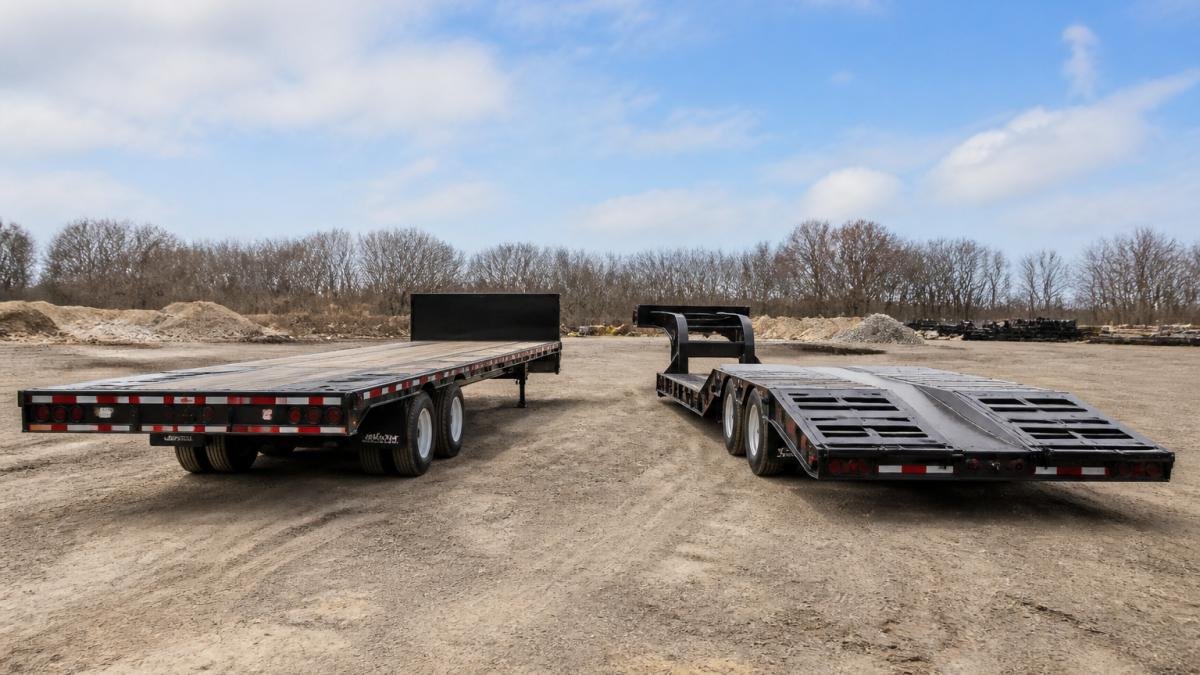
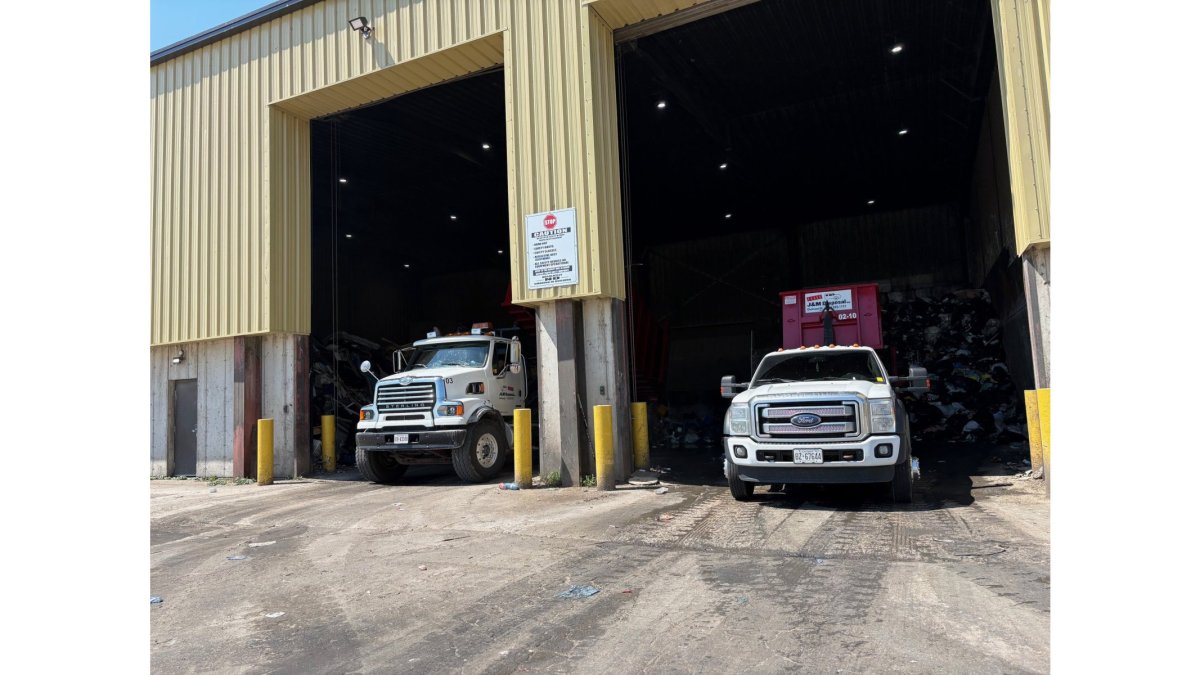
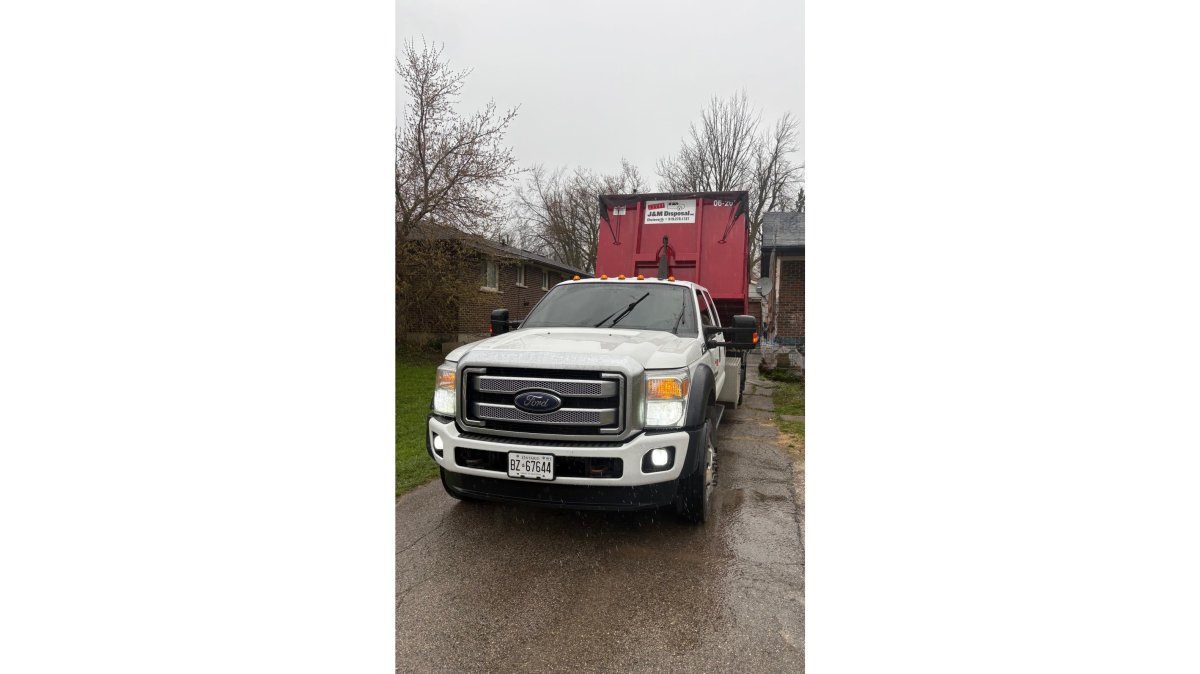
Planning your waste removal before the first load keeps costs predictable and your crew working. J&M Disposal Inc. is a locally owned and operated company that provides roll-off bin rentals from 5 to 40 yards, along with flat deck and float services for moving oversized construction and agricultural equipment.
When you are ready, book a roll-off bin online and set up pickup dates that match your project schedule.
Frequently Asked Questions
What is the most affordable way to dispose of construction waste?
The most affordable approach is to sort materials on site before loading, so clean loads of wood, metal or concrete can be taken for recycling rather than landfilled as mixed debris. Choose a bin size that matches your project rather than paying for extra capacity, and schedule pickups around your actual work phases. Ask any provider for a written quote that lists the rental period, weight allowance and any overage charges, so you can compare totals accurately. Pricing depends on bin size, rental length, material type and delivery distance, so confirm current rates on the J&M Disposal Inc. pricing page or request a quote before you book.
How do I choose a bin size for a construction project?
Start by estimating the volume of debris your project will produce, including demolition, packaging and the materials you plan to replace. Small bathroom or flooring jobs often fit a 5 or 10 yard bin, while larger renovations and whole-house cleanouts usually need a 20 or 40 yard container. Heavy materials such as concrete and dirt fill a bin by weight faster than light materials like drywall, so a smaller bin may suit dense loads. J&M Disposal Inc. offers bins from 5 to 40 yards, and the team can help match a size to your job before delivery.
Can one bin handle concrete, drywall and metal together?
A single roll-off bin can hold mixed construction debris, but separating heavy and recyclable materials usually lowers disposal costs and avoids contamination charges. Concrete and dirt are heavy and should be kept apart from light debris so the bin does not exceed its weight limit. Metal scraps from an old deck can often be set aside for recycling, which keeps them out of the landfill load. Ask J&M Disposal Inc. how mixed loads are handled for your specific project before you fill the bin.
Comments