
Why Agricultural Waste Recycling Is Important for Farms
Last Updated: November 14, 2026
Quick Summary
Agricultural waste recycling is important because it returns organic matter and nutrients to the soil, improving structure, water retention and microbial activity while reducing fertilizer spend. It also lowers disposal costs, supports cleaner audits and contracts, and cuts handling labor over time. Sorting waste streams at the source is the single highest-use step in any farm recycling program.
Sorting at the source is the single highest-use step in any farm waste recycling program.
A workable compost pile uses three parts crop residue to one part manure by volume.
Fall manure application on frozen ground loses nutrients to runoff in spring.
Shake out and dry silage wrap before bagging it, and keep it under cover.
Track handling hours, the hidden cost most farms miss when comparing programs.
Need a bin sized for your farm cleanout?
J&M Disposal Inc. offers roll-off bins from 5 to 40 yards and flat deck transport for farm equipment.
Table of Contents
What Counts as Agricultural Waste on Working Farms
Agricultural waste recycling starts with knowing what you are actually handling.
The mix matters more than the volume. A large grain farm with a small beef herd produces far more residue tonnage than a market garden, but the market garden often generates more hard-to-handle plastic.
A practical way to split farm waste streams is:
Organic streams: crop residues, manure, bedding, spoiled hay, cull produce. These can be composted, spread, or digested.
Recyclable plastics: silage wrap, bale netting, twine, greenhouse film, chemical containers. These need a dedicated collection route.
Scrap and bulky items: fencing wire, old troughs, machinery parts, tires. These need a bin or a metal recycler.
Hazardous items: used oil, batteries, treated seed bags. These never belong in a general bin.
Sorting at the source is the single highest-use step in any farm waste recycling program. A mixed pile costs more to handle and contaminates the streams that would otherwise be recyclable.
The Benefits of Agricultural Waste Recycling for Soil and Profit
The benefits of agricultural waste recycling split into two categories: what happens in the soil and what happens on the balance sheet. Most farms get the first part and underestimate the second. The return depends on matching each waste stream to the right recovery route, not on recycling everything the same way.
Returning organic matter builds soil structure, improves water retention, and feeds the microbial activity that drives nutrient cycling.
On the financial side, the returns show up in four places, and each depends on a different operational choice:
Lower disposal costs. Separating recyclable plastics from general waste reduces hauled volume, with the largest saving when contamination is low enough that loads are not rejected.
Reduced fertilizer spend. Nutrient recovery from manure and compost offsets purchased inputs, but only when application rates match soil tests and crop removal.
Cleaner audits and contracts. Buyers and processors increasingly ask about waste handling, and a documented program answers those questions before they become a problem.
Reduced handling labor over time. A consistent sorting routine takes less time per tonne than emergency cleanouts and rejected loads; the first season is the expensive one.
Farms typically see the disposal-cost saving immediately, the fertilizer offset in the second or third season once soil organic matter responds, and the contract benefit only when a buyer asks.
Watch out: counting the fertilizer offset without a soil test is guessing.
Sort your streams before you calculate returns. Crop residues and manure are best routed to composting or direct land application when you have the land base and storage.
Environmental Impacts of Unmanaged Farm Waste
Unmanaged farm waste creates environmental costs that land on the farm itself first. Nutrient runoff from stockpiled manure and exposed residues reaches ditches and watercourses, carrying phosphorus and nitrogen into waterways. That is a farm productivity loss before it is an environmental one.
Open Burning, Landfill Disposal and Runoff
Open burning of crop residues and plastics is one of the practices most worth avoiding.
Landfill disposal is the default for farms without a collection plan, and the most expensive option per tonne once hauling is included. Runoff is the quieter problem: a manure pile on a slope through spring thaw sends nutrient-laden water where you do not want it.
Farm Waste Recycling Methods That Work in Practice
Farm waste recycling works when the method matches the material. Four approaches cover most of what a working farm generates, and most operations end up using two or three of them together.

Composting Crop Residues and Organic Waste
Composting is the most accessible method and the one most farms can start this season. It needs a workable carbon-to-nitrogen ratio, enough moisture, and regular turning to keep the pile aerobic. Crop residues are carbon-heavy; manure and green matter supply the nitrogen.
A workable recipe for a mixed farm pile:
Three parts crop residue or straw to one part manure or green material by volume
Moisture around the consistency of a wrung-out sponge
Turn every two to three weeks; a pile that smells sour has gone anaerobic and needs air
Finished compost goes back on fields, gardens, or erosion-prone areas. The main mistake is piling material and walking away. An unturned pile is a slow anaerobic mess, not compost.
Reusing Livestock Manure and Recovering Nutrients
Manure is the highest-value stream on most livestock farms. Applying it at agronomic rates matched to what the next crop needs turns a disposal problem into a fertilizer program.
Timing matters as much as rate. Fall application on frozen ground loses nutrients to runoff in spring. Incorporate or apply when the crop can use it. Where storage capacity allows, holding manure through winter and spreading in spring recovers far more of the nitrogen.
Agricultural Plastic Recycling and Contamination Control
Agricultural plastic recycling lives or dies on contamination control. Silage wrap, bale netting, and greenhouse film are genuinely recyclable, but only if they arrive at a collection point clean enough to process.
What clean looks like in practice:
Shake out and dry silage wrap before bagging it
Keep twine and netting separate from film
Triple-rinse chemical containers and remove caps
Never mix treated seed bags or oil containers into plastic collections
Watch out: storing wrap in the open through winter is a common failure point. Waterlogged, frozen wrap is heavy, dirty, and expensive to handle. Bag it dry and keep it under cover.
Some farm materials cannot go in any bin, and sorting them out early saves a rejected load. For old fencing wire specifically, there are practical disposal routes worth reading before you load it. If you are sorting a mixed farm cleanout, check the list of items you cannot put in a dumpster so nothing gets turned away at the gate.
Building a Circular Economy in Agriculture
Farms that get furthest treat this as an operations question, not an environmental one.
Technology and infrastructure comparison is where most guides stay vague. Here is how the main routes compare by scale and suitability:
Composting: Lowest capital cost and most accessible for mixed farms. Works best when you have land to apply compost and labor for turning. Suits crop residues, manure, bedding, and cull produce. Slower in cold climates and needs cover to manage moisture.
Anaerobic digestion: Higher capital and requires a consistent feedstock and a use for the biogas and digestate. Suits larger livestock operations with steady manure supply and a grid connection or on-site heat demand. Not practical for small farms without a shared facility.
Mulching and direct land application: Cheapest route for crop residues where erosion control or moisture retention is the goal. Suits low-livestock grain farms. Does not handle plastics or packaging.
Biochar: Requires pyrolysis equipment and a market or use for the char. Suits operations with dry biomass and a soil amendment need. Capital and expertise are the barriers.
Material take-back and recycling systems: The only route for silage wrap, netting, containers, and packaging. Depends entirely on collection access and contamination control. Works when the material is clean and dry at the farm gate.
Regional and seasonal constraints decide whether a method is practical.
Watch out: choosing a technology before mapping your streams and your collection access is the most common circular economy failure.
Measure the loop, not just the intent. Track diversion rate, contamination rate, nutrient recovery, and handling hours seasonally.
Costs, Returns and Measuring Recycling Outcomes
The economics of farm waste recycling come down to avoided cost, recovered value, and the cost of handling.
Metric | What to Track | Why It Matters |
Disposal volume | Tonnes hauled per season | Baseline for every cost comparison |
Diversion rate | Percentage kept out of landfill | The headline number for any program |
Fertilizer offset | Purchased inputs reduced | Direct dollar recovery |
Contamination rate | Rejected loads per season | Signals sorting problems early |
Handling hours | Labor spent sorting and staging | The hidden cost most farms miss |
The hidden cost is handling labor. A program that saves on tipping fees but eats twenty extra labor hours a week is not saving anything. Track it honestly.
When you are comparing hauling options, judge a service on pickup reliability, bin condition, and how clearly overage is explained.
Planning Your Farm Waste Pickup and Bin Sizing
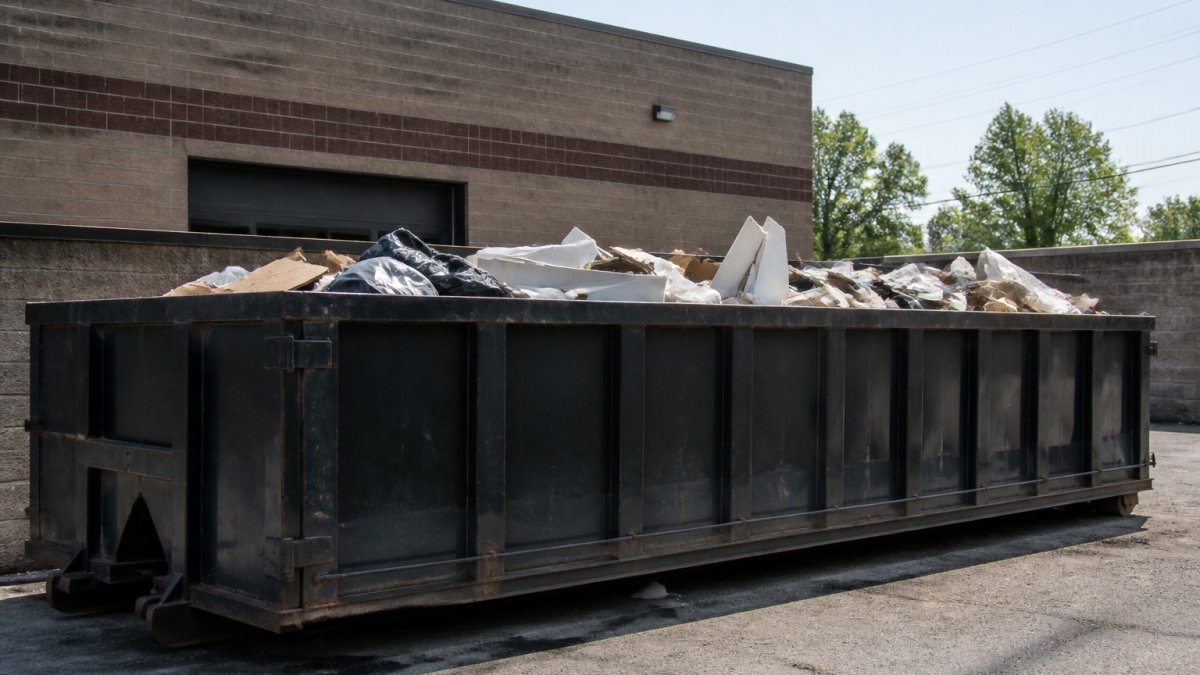
Bin sizing is where most farm waste plans succeed or fail. Too small and you pay overage or call for extra pickups; too large and you pay for air. Book a roll-off bin online when you are ready to arrange pickup. The right size depends on your stream mix and how long the bin stays on site. Rent a roll off bin step by step to set up your farm waste collection.
A rough starting point for common farm jobs:
Yard and fence cleanup: a mid-size bin handles most residential-scale farm debris
Barn cleanout with mixed material: size up, because mixed loads are bulkier than they look
Construction or demolition debris: match the bin to the material weight, not just volume
Watch out: heavy material like concrete, soil, and gravel hits weight limits long before it fills a bin. Tell your hauler what is going in so the bin and the disposal route match the load.
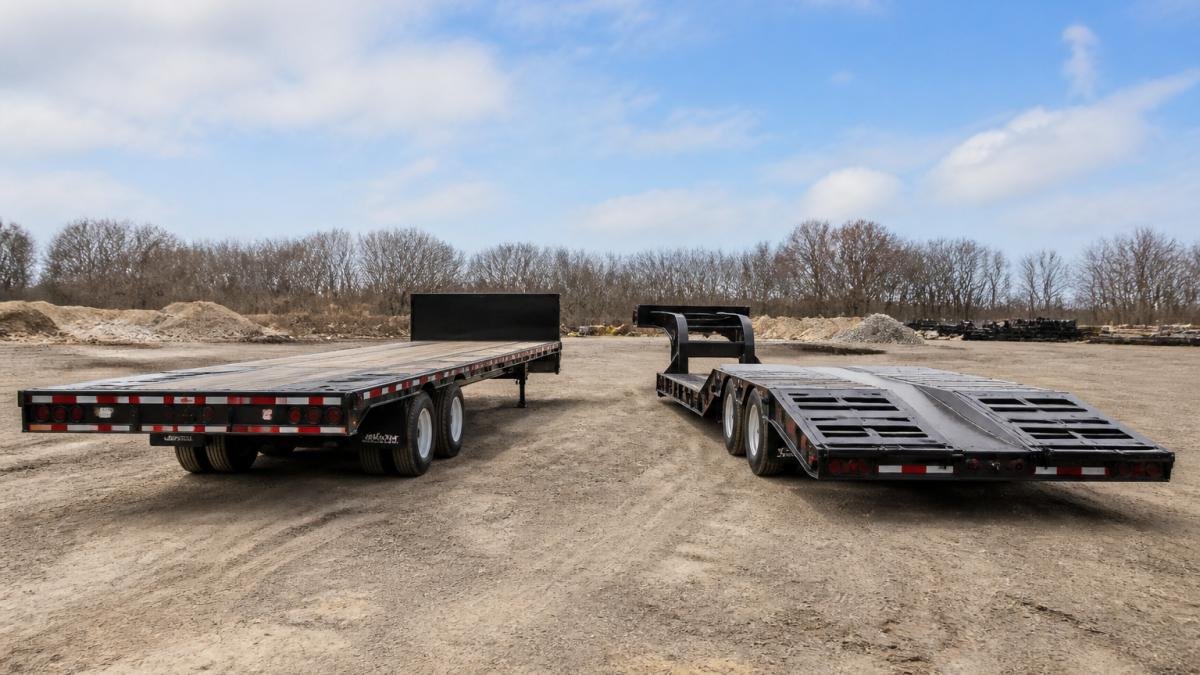
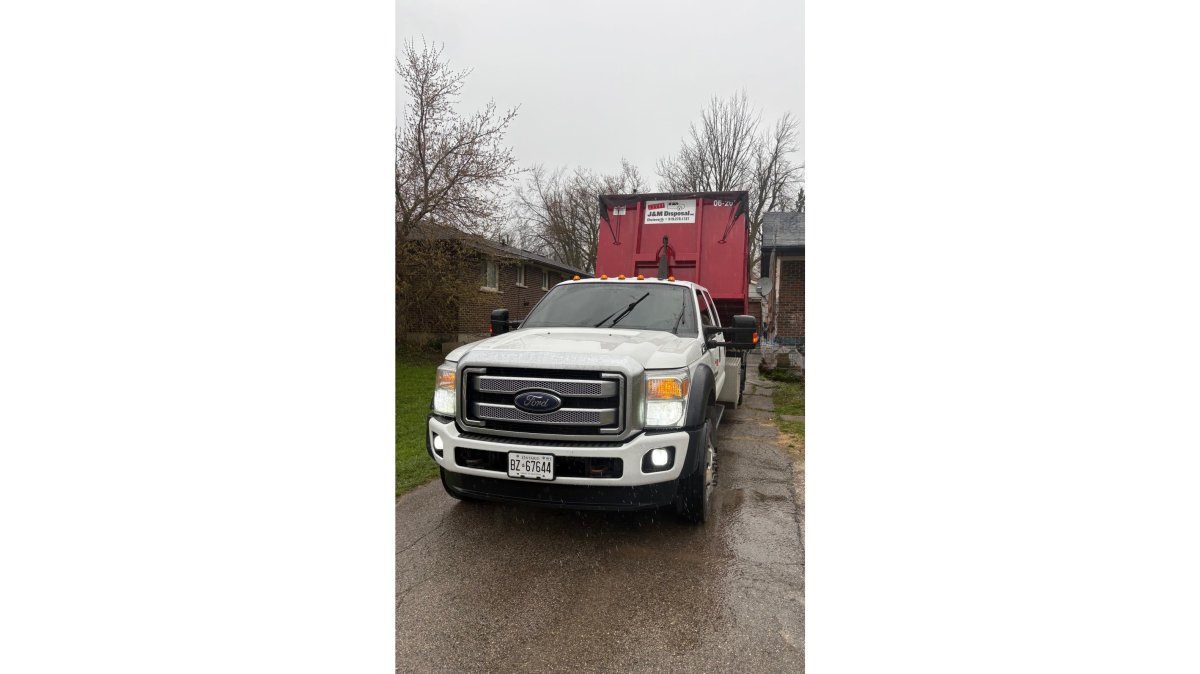
Sorting farm waste properly takes planning, and the pickup has to happen when you say it will. At J&M Disposal Inc., we run a range of bin sizes from 5 to 40 yards, offer flat deck and float services for moving oversized farm equipment, and keep our hook lift trucks ready for jobs across the region.
Frequently Asked Questions
Why is agricultural waste recycling important for a farm's bottom line?
Recycling keeps value on the farm instead of paying to haul it away. Composted crop residues and manure return organic matter and nutrients to the soil, which can reduce purchased fertilizer and improve water retention. Clean plastic bale wrap and containers diverted from landfill also cut disposal fees and avoid contamination surcharges. The economics vary by operation, so track what you spend on disposal and inputs before and after you change practices. For current pricing and a quote, visit the J&M Disposal Inc. website.
What are the main benefits of agricultural waste recycling?
The benefits of agricultural waste recycling fall into four groups: soil health from added organic matter, lower input costs through nutrient recovery, reduced environmental pollution from open burning and runoff, and fewer landfill trips. There is also a compliance benefit, since proper handling of plastics, fuel containers and livestock waste keeps a farm on the right side of provincial rules. Many operations start with one stream, such as bale wrap or manure, prove the routine works, then expand to other materials.
How does agricultural plastic recycling work, and what has to be cleaned first?
Bale wrap, silage tarps, feed bags and nursery containers are collected, sorted by resin type, then shredded, washed and pelletized into new plastic products. Contamination is the deciding factor: plastic must be shaken free of soil, feed and twine, and stored dry and covered before pickup. Loads with heavy dirt or mixed materials are usually rejected or downgraded. Confirm what your local program or hauler accepts before you accumulate a season's worth, and bag twine separately.
How can farms reduce waste without adding a lot of labour?
Set up collection points where the waste is generated, not at the end of the laneway. Place labelled bins or bags at the barn, the feed area and the field gate so plastic and twine go in as they come off. Schedule pickups on a fixed cycle rather than on demand, and size the container to your busiest month. Roll-off bins of various sizes can work for bulky wrap and packaging, while heavy debris such as concrete or scrap metal needs a container rated for the weight.
Comments