
Responsible Waste Disposal for Property Development
Last Updated: November 1, 2026
Quick Summary
Responsible waste disposal for property development means planning, documenting, and complying with rules for every material that leaves a site, from demolition debris to packaging and surplus building materials. A written construction waste management plan sets out what waste a project will generate, how it will be sorted and stored, who hauls it, and how diversion will be tracked. The project, as the generator, owns the compliance file of permits, haul receipts, weight tickets, and manifests.
Assign a named waste lead at pre-construction and put the role in the contract.
Schedule pickups around major milestones rather than fixed calendar dates.
Keep concrete, drywall, clean wood, metal, and cardboard in separate streams.
Confirm in writing who applies for, pays for, and holds bin permits.
Compare waste-service proposals on total scope, not the headline drop-off rate.
Table of Contents
Why Responsible Waste Disposal Matters on Development Sites
Responsible waste disposal for property development is the planned, documented, and compliant handling of every material that leaves a site, from demolition debris to packaging and surplus building materials.
The consequences of getting it wrong are rarely dramatic on day one. They accumulate: overflowing bins, missed pickups, mixed loads that haulers reject, and fines from local bylaws that nobody read.
Environmental and community impact
Improper disposal sends recoverable material to landfill and puts hazardous items, such as leftover solvents or treated wood, into streams that cannot handle them. Runoff from poorly contained sites can reach storm drains, and dust from unmanaged debris affects neighbouring properties. In smaller communities, a single messy site can sour relationships with neighbours and councils for the rest of the build.
Cost and timeline benefits
Waste that is sorted at the source is generally easier to handle than mixed waste. Mixed loads can require extra sorting or be rejected by haulers, which can mean rework and delay.
Building a Construction Waste Management Plan from Pre-Construction to Occupancy
A construction waste management plan is a written document that sets out what waste a project will generate, how it will be sorted and stored, who hauls it, and how diversion will be tracked. It should be a living document, updated at each phase. The unique angle here is the handoff: most plans fail not because the sorting rules are wrong, but because responsibility drifts between the developer, the general contractor, and the trades as the project moves from demolition to fit-out.
Phase 1: Pre-construction planning (developer and GC)
Before demolition starts, walk the site and list what will come out of it: concrete, drywall, framing lumber, asphalt shingles, metal, fixtures, and any designated substances. Estimate volumes by material, then match bin sizes and pickup frequency to that estimate.
Assign a named waste lead at this stage, typically the site superintendent or a designated environmental coordinator, and put the role in the contract. The plan should include:
A material inventory with estimated tonnages by stream (clean wood, metal, concrete and masonry, drywall, cardboard, general non-hazardous, hazardous).
A site plan showing bin locations, access routes, and the sorting area.
A pickup schedule tied to milestones, not calendar dates.
Confirm with the municipality whether a waste management plan is required as a condition of the building permit or demolition permit, as requirements vary by jurisdiction.
Phase 2: Active construction and sorting (GC and trades)
During the build, the plan becomes operational. The waste lead owns the day-to-day: labeling every bin clearly, posting a simple sorting guide near the disposal area, and briefing each trade at mobilization on what goes where.
The handoff that matters most is between trades. A full stream bin should be reported to the waste lead rather than filled with mixed material, since contamination can cost more to fix than an extra pickup.
Phase 3: Closeout and occupancy (developer and GC)
Closeout is where plans usually fall apart. Final cleanouts generate a rush of mixed material, and the temptation is to throw everything into one bin.
The final handoff is to the building owner or property manager. A closeout waste report summarizing tonnages by stream, the diversion rate achieved, and any documentation required for green building certification or municipal compliance can support that handoff.
Pro Tip Build the waste plan into the project schedule as a milestone deliverable, not a site-level afterthought. A plan that is reviewed at pre-construction, mid-build, and closeout catches the handoff gaps that cause most compliance and cost problems.
Construction Waste Reduction: Design and Procurement Choices That Prevent Waste
Construction waste reduction starts on the drawing board, not at the bin. The cheapest waste to manage is the waste that never gets created.
Design choices that cut waste include standardizing dimensions so offcuts can be reused elsewhere on the project, specifying materials in the sizes the supplier actually stocks, and designing for deconstruction so components can be recovered rather than demolished.
A common mistake is treating waste reduction as a site-level task. By the time material reaches the site, most of the waste decisions have already been made.
Construction Site Waste Sorting: Setting Up Streams That Work
Construction site waste sorting works when the setup makes the right action easier than the wrong one.

Separate streams for clean wood, metal, concrete and masonry, drywall, cardboard, and general non-hazardous waste can help keep material sorted. Practical guidance on how to load a construction dumpster efficiently helps keep sorting streams workable.
Construction and Demolition Waste Recycling: Material-by-Material Pathways
Construction and demolition waste recycling depends on keeping materials clean enough to be accepted. A load of concrete with drywall mixed in is worth less than a clean load of either.
Concrete and masonry: Keep separate from gypsum and wood. Clean loads can be crushed and reused as aggregate.
Drywall: Recycle separately where facilities accept it. Never mix with concrete, since the combination contaminates both streams. If you are unsure, this explains whether you can mix concrete and drywall.
Clean wood: Untreated lumber can be recovered or chipped. Treated and painted wood follows a different path.
Canadian Council of Ministers of the Environment waste guidance provides context on how provinces approach diversion and disposal.
Permits, Documentation, and Local Compliance Workflows
Permit requirements for bins placed on private property, streets, or boulevards vary by municipality. For jurisdiction-specific rules, see bin rental permit requirements in Ontario. Check with your local municipality for current rules. Before a bin lands on a driveway or road allowance, confirm what your municipality requires and who is responsible for the application. Readers can also check whether a driveway dumpster permit is required before placing a bin on site.
Step 1: Check requirements before the bin is ordered
Start with the municipality's website and search for the bin or dumpster permit page, the road allowance bylaw, and the waste management bylaw. Confirm three things: whether a permit is required for the bin location, what the application requires (site plan, insurance certificate, duration), and who is authorized to apply, the property owner, the contractor, or the hauler.
For projects above a certain size, some municipalities require a waste management plan as a condition of the building or demolition permit. Confirm this at the permit application stage, not after demolition starts.
Step 2: Confirm responsibility in writing
Watch out: assuming the hauler handles permits is the most common compliance gap. Confirm in writing who applies, who pays, and who holds the approval. Put the responsibility in the hauling contract and name the person on the project who owns it. If the hauler applies, get a copy of the approved permit before the bin is placed.
Step 3: Retain documentation for every load
Documentation matters as much as the permit itself. Keep haul receipts, weight tickets, and disposal records for every load. If a project is pursuing diversion targets or green building certification, those records are the evidence.
For hazardous materials, the documentation requirements are stricter. Hazardous waste manifests track the material from the site to the disposal facility, and the generator, the project, retains copies.
Step 4: Close out the compliance file
Before the project file is closed, assemble the compliance package: approved permits, haul receipts, weight tickets, hazardous waste manifests, and the closeout waste report. This package is what a municipality, certification body, or building owner will ask for if there is a question about disposal.
Watch Out Do not rely on the hauler to keep your records. The project is the generator, and the generator owns the compliance file. Request copies of every ticket and manifest at the time of pickup, not at closeout when the hauler's records may be harder to retrieve.
Waste Audits, Targets, and Measuring Diversion Performance
A waste audit is a structured review of what a project actually throws away, by material type and volume. It turns guesswork into numbers you can act on.
Start with a simple baseline: weigh or estimate each stream, then set a diversion target for the project.
The value is in the pattern, not the single number. Rising contamination in one stream usually points to a labeling or placement problem, and it is cheaper to fix that than to pay for re-sorting later.
Budgeting and Comparing Waste-Service Proposals
Waste service pricing depends on quantity, dates, and delivery, so compare proposals on total scope rather than the headline drop-off rate. Ask each provider to break out delivery, pickup, tonnage allowances, overage charges, and extension fees.
Proposal Element | What to Confirm | Why It Matters |
Bin sizes offered | Range from small cleanout to large roll-off | Right-sizing avoids overage and extra hauls |
Tonnage allowance | Included weight per pickup | Overage charges add up fast on heavy debris |
Rental period | Days included and extension rate | Long renovations often exceed standard terms |
Permit handling | Who applies and who pays | Unclear responsibility causes delays |
Pickup reliability | Scheduling and swap process | Missed pickups stall the whole site |
A common mistake is choosing the lowest drop-off price without checking the tonnage allowance. Reviewing the hidden costs of dumpster rental for renovation before comparing quotes can help.
Frequently Asked Questions
What types of waste are generated during property development?
Property development generates a mix of materials: concrete, bricks, asphalt, wood, drywall, metals, plastics, cardboard, and packaging. Renovation and demolition phases add insulation, roofing, glass, and fixtures. Excavation produces soil, rock, and gravel. Organic waste from clearing and landscaping also appears. Each stream needs its own handling: concrete and metal can be recycled, drywall has separate processing, and household hazardous waste like paints or solvents requires special disposal. Knowing the mix early helps you size bins and set up sorting.
How can developers reduce construction waste?
Start with design and procurement. Standardize material dimensions to cut offcuts, specify recycled-content products, and use prefabricated components where possible. During construction, order accurately, store materials to prevent damage, and separate reusable items before demolition. Deconstruction instead of demolition recovers more material. Set a diversion target and track it with waste audits. These steps reduce the volume sent to landfill and lower disposal costs, supporting construction waste reduction goals.
What materials from a development site can be reused or recycled?
Clean concrete, brick, and asphalt can be crushed for aggregate. Metals, including rebar and wiring, are highly recyclable. Untreated wood can be reused or chipped; drywall can be recycled into new gypsum. Cardboard and plastics go into standard recycling streams. Salvaged doors, windows, fixtures, and architectural features can be reused through local material exchanges. Soil and gravel can be reused on site or at other projects. Contaminated or mixed materials may need special handling, so sort early.
How should a construction site organize waste sorting?
Place labeled bins for each major stream: wood, metal, concrete/rubble, drywall, cardboard, and general waste. Keep bins close to work areas to encourage use, and train crews on what goes where. Use clear signage and color coding. Schedule regular pickups so bins don't overflow. Appoint a site champion to monitor sorting and correct mistakes. For construction site waste sorting to work, bins must match the materials generated at each phase, so adjust as the project progresses.
What are the benefits of recycling construction and demolition waste?
Recycling construction and demolition waste lowers disposal costs by reducing landfill tipping fees. It supports compliance with local diversion bylaws and can earn recognition for green building. Recycled materials feed new products, conserving resources and cutting greenhouse gas emissions. It also keeps sites safer and tidier, which improves productivity. Many jurisdictions require a waste management plan and documented diversion, so recycling helps you meet those obligations and avoid penalties.
How can developers choose a responsible waste disposal provider?
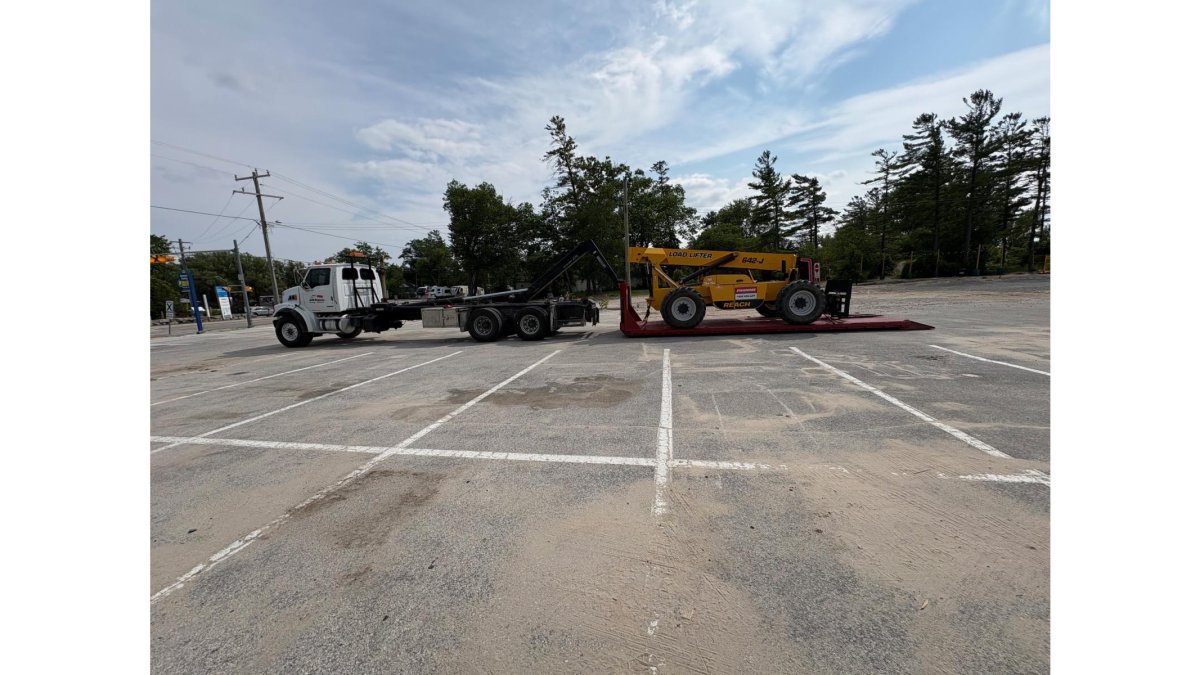
Look for a provider with clear pricing, reliable pickup schedules, and a range of bin sizes to match each phase. Ask about their sorting and recycling processes, and whether they provide weight tickets and diversion reports for compliance. Confirm they handle the materials you generate, including special wastes. Check local references and ask how they handle permit questions. A provider that communicates proactively and offers equipment like hook lift bins and flat decks can adapt as your project changes.
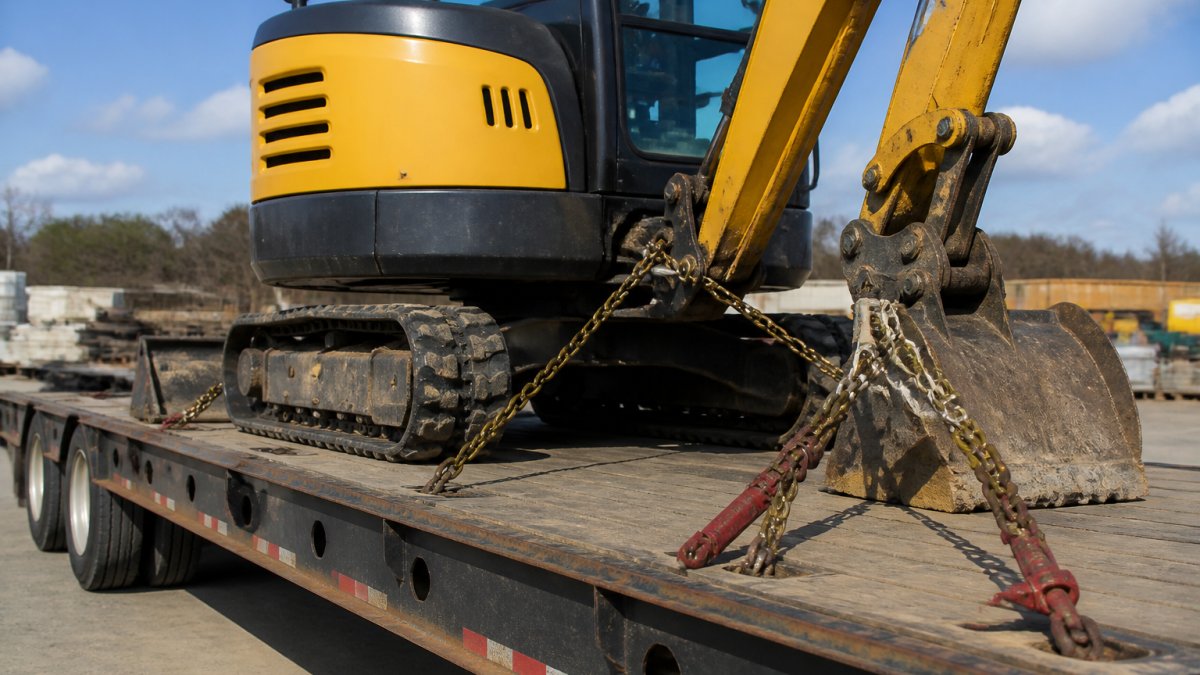
Getting waste handling right on a development project comes down to planning early, sorting properly, and working with a hauler who shows up when promised. J&M Disposal Inc. offers hook lift bin rentals in sizes from 5 to 40 yards, flat deck and float services for moving oversized equipment and construction loads, and locally owned support across the region. Get started with J&M Disposal Inc. and keep your next project clean, compliant, and on schedule.

Comments