
What Drives Commercial Debris Removal Pricing in 2026?
Last Updated: November 4, 2026
Quick Summary
Commercial debris removal pricing is driven by four factors: load volume in cubic yards, weight and disposal fees charged by tonnage, material type and special handling rules, and site access that adds labor hours. Quotes should itemize base rental, included tonnage, overage rates, tipping fees and extra-day charges so you can compare bids on the same assumptions.
Bins range from 5 to 40 yards, and volume is not the same as weight when sizing a quote.
Ask what tonnage is included before signing, because overage charges are where budgets quietly break.
Confirm which materials your provider accepts before the bin arrives to avoid a rejected load and second haul.
Bin placement on a road or municipal property can require approval, so check local permit rules first.
Source-separating concrete, metal and clean wood can lower the disposal rate but adds handling labor.
Table of Contents
Why Commercial Debris Removal Pricing Varies So Much
Commercial debris removal pricing varies because no two jobsites produce the same waste, and no two sites offer the same access. Every quote you receive reflects four moving parts: how much space your debris occupies, how much it weighs, what it is made of, and how hard it is to reach. Get one of those wrong and the final invoice drifts from the estimate. Quotes are typically built around those four factors because they are the main ones that predict what a haul costs to complete. The rest, from fuel to tipping, folds into them.
The Pricing Factors That Decide Your Quote
Four variables drive almost every line on a debris removal pricing quote: load volume, weight and disposal fees, material type, and access. Everything else is a detail inside one of those four buckets.
Load Volume and Truck Space
Volume is measured in cubic yards, and it sets the size of bin you need. Bins are available in sizes from 5 to 40 yards, so the right size depends on the scope of the project. Volume is not the same as weight, and mixing the two up is the most common quoting error we see. A bin full of insulation takes up space without weighing much. A half-full bin of concrete can weigh more than a full bin of drywall. Breaking down and stacking material can reduce wasted air space in a bin.
Weight, Tonnage and Disposal Fees
Disposal fees are often charged by tonnage, so pricing commonly includes a weight allowance plus a per-tonne rate for anything above it. Ask your provider how their own weight allowance and overage rate work. Heavy materials such as concrete, brick, soil and shingles burn through that allowance fast. Light materials such as cardboard, plastic wrap and drywall offcuts rarely do. Ask what the included tonnage is before you sign, because overage charges are where budgets quietly break.
Material Type and Special Handling
Material type changes both the price and the rules. Material type affects both price and what can be accepted, and some materials require separate handling. Confirm with your provider which materials they accept before the bin arrives. Knowing what cannot go in saves you a rejected load and a second haul. Our list of items you cannot put in a dumpster is worth reading before you start filling.
Access, Distance and Labor Hours
Access is the factor homeowners and site managers underestimate most. A bin that can be dropped in a driveway takes minutes to place. A bin that must be carried through a side gate, up a slope, or past parked equipment adds labor hours to the job. Distance from the truck to the debris pile drives the labor line on your quote. Placement also raises permit questions: if the bin sits on a road or municipal property rather than private land, you may need approval. Placement on a road or municipal property can require approval, so check local permit rules before booking.
Commercial Construction Debris Removal Cost: What Changes on a Jobsite
Commercial projects can involve phased demolition, mixed waste streams, tight site access and schedule constraints, which can all affect what hauling costs. A jobsite produces debris continuously rather than in one burst, so hauling becomes a recurring cost rather than a single charge.

On a commercial site, operating constraints around the bin can affect cost as much as the debris inside it. The variables that move a commercial quote are:
Building size and number of locations. Multiple locations can mean separate delivery windows and disposal receipts, so ask whether the provider prices per site or per project.
Loading-dock and elevator access. Site access affects labor time, so a bin that must be moved by elevator or carried through a corridor can add labor hours to each swap. Confirm the drop zone, the turning radius and any overhead clearance before the quote is finalized.
Work-hour restrictions and tenant coordination. Many commercial buildings restrict hauling to after-hours or weekend windows, and occupied buildings require coordination with tenants and property management.
Phased cleanouts. A project that demolishes floor by floor needs a haul schedule tied to each phase, not a single bin. A phased job can be quoted as one contract, and the quote should state the number of included swaps and the rate for additional ones.
Mixed versus source-separated waste. Demolition waste blended with packaging and offcuts is harder to recycle and often goes to landfill at a higher tipping rate. Separating clean concrete, metal and wood at the source can lower the disposal rate, but it adds handling labor, so the trade-off belongs in the quote discussion.
A practical takeaway is to consider the waste stream, the haul schedule and the site constraints when comparing commercial quotes, not just the bin size.
Construction Waste Disposal Fees You Should Expect to See Itemized
Construction waste disposal fees should appear as separate line items on any quote worth trusting. A lump-sum number hides where the money goes. Ask for these broken out:
Base rental for the bin and the drop-off/pickup
Included tonnage and the per-tonne overage rate
Tipping or disposal fee at the receiving facility
Delivery and pickup charges, including any zone or distance fee
Extra days beyond the rental period
Special handling for restricted or oversized material
If a provider will not itemize, treat that as a warning sign, since hidden fees are a common concern when comparing bin rental quotes.
Roll-Off Bin Rental Pricing: How the Model Actually Works
Roll-off bin rental pricing usually combines a flat rate with variable charges. The flat rate covers the bin, delivery, pickup and a set rental period. The variable charges cover weight overage, extra days and special handling. Some providers quote per-load, others per-tonne, and some use a minimum charge that applies even to a light load.
Pricing Model | How It Works | Best For | Watch Out For |
Flat rate + included tonnage | Set price covers bin, haul and a weight allowance | Most renovation and cleanout jobs | Overage rate per tonne |
Per-tonne | You pay by weight disposed | Heavy material like concrete | Light loads still carry a minimum |
Per-load | Fixed price per bin swapped | Multi-phase commercial projects | Number of swaps adds up |
Hourly | Charged by labor time | Tight-access or hand-carry sites | Time tracking disputes |
The model matters less than the total. Compare quotes on the same assumed tonnage and rental period, or you are comparing different things.
How to Read a Construction Debris Removal Quote
A construction debris removal quote is a contract, not a suggestion, so read it line by line before you commit. The fastest way to compare bids is to ask every provider to break the estimate into the same categories, then compare like with like.
A sample itemized structure looks like this:
Base rental for the bin and the drop-off/pickup
Included tonnage and the per-tonne overage rate
Tipping or disposal fee at the receiving facility
Delivery and pickup charges, including any zone or distance fee
Labor for hand-carry, stairs, elevator shuttling or restricted-hour work
Equipment such as a hook lift, forklift or compactor if the site requires it
Surcharges for fuel, after-hours access or special handling of restricted material
Extra days beyond the rental period, quoted as a daily rate
Taxes shown separately so the subtotal is clear
Start with the included tonnage and the overage rate, because those two numbers decide whether your final bill matches the estimate. Then check the rental period and the daily rate for extra days. Confirm what happens if a load is rejected for containing restricted material, and ask whether the quote assumes a specific access arrangement, because a changed drop location can void the price.
Watch out: a quote that will not itemize is a quote you cannot compare, and hidden fees are the most common complaint from buyers who switch providers after a bad experience. Our guide on avoiding hidden fees in bin rentals walks through the charges to watch for and the questions to ask before booking.
For a multi-haul commercial project, ask for the contract rate per swap, the disposal documentation provided, and how schedule changes are handled.
Cost Controls for Commercial Cleanouts and Procurement
Cost controls for commercial cleanouts come down to separating waste streams before they hit the bin. Source-separating concrete, metal and clean wood keeps recyclable material out of landfill and often lowers the disposal rate. Scheduling hauls around project phases rather than on demand reduces the number of swaps. And agreeing a contract rate for a multi-haul project beats paying the one-off rate each time.
For procurement, it helps to ask any provider what the included tonnage, overage rate and extra-day rate are, and to get those in writing.
Booking the Right Bin for Your Next Cleanout
Booking the right bin starts with matching size to waste, not guessing. Measure your debris pile, identify heavy versus light material, and check access before you call. Then confirm the rental period you actually need, because extra days are a real cost.
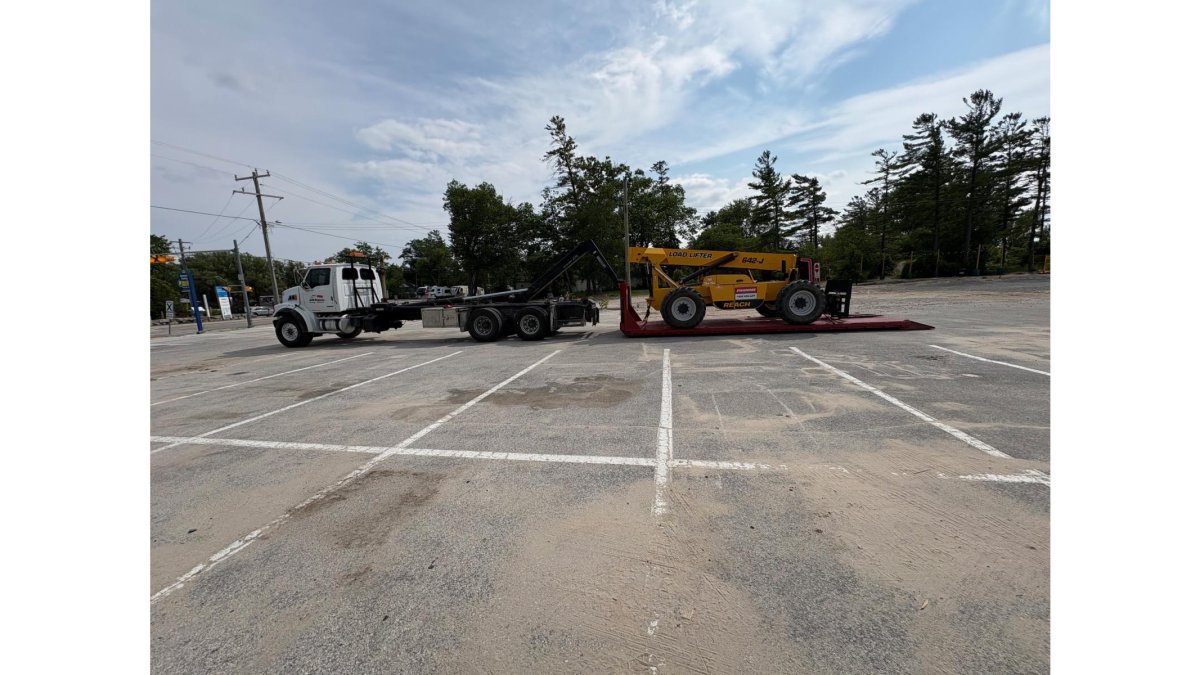
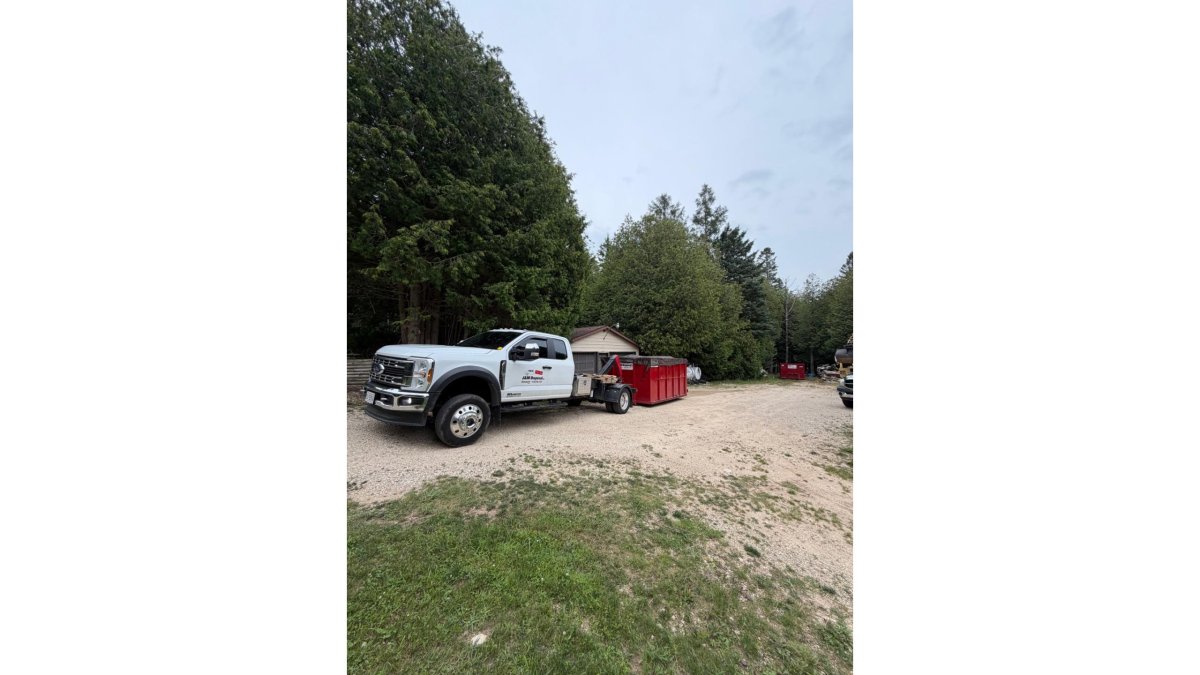
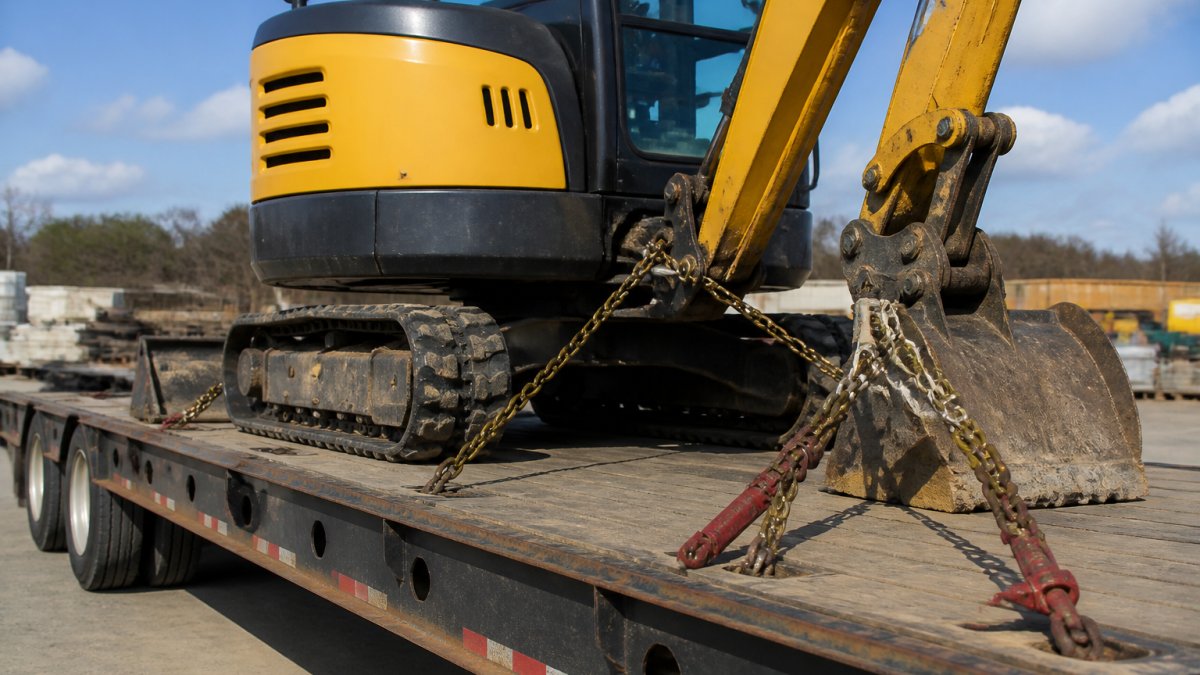
J&M Disposal Inc. offers roll-off bins from 5 to 40 yards, along with flat deck and float services for transporting oversized and construction equipment. Call J&M Disposal Inc. to book the right bin and keep your project on schedule.
Frequently Asked Questions
What factors affect commercial debris removal pricing the most?
Load volume and weight usually move the number more than anything else, followed by material type, site access, and how far the bin sits from the truck. A full 20-yard bin of drywall prices differently from the same bin filled with concrete, because disposal charges are tied to tonnage and to how the material is processed. Rental duration and any special handling for items like appliances or tires add to the total. Ask for a quote that separates hauling, disposal and rental so you can see which factor is driving the price.
How is commercial debris removal priced?
Most providers use a combination of a flat per-load or per-bin rate plus disposal charges based on weight. Some quote an hourly rate for labor-heavy cleanouts, and a few use a minimum charge with additional fees for overage. For larger commercial projects, contract pricing with scheduled pickups is one option to ask about. Confirm pricing in writing before drop-off so you know what triggers extra charges, whether that is exceeding the weight allowance or extending the rental period.
Can mixed or contaminated materials increase disposal fees?
Yes. When recyclable material is mixed with general waste, or when banned items like paint, solvents or tires end up in the bin, the load may need sorting or special handling, and that cost lands on your invoice. Keeping clean wood, metal and concrete in separate bins often lowers construction waste disposal fees because each stream can go to the right facility. Confirm what the provider will and will not accept before the bin arrives, and brief your crew on what stays out.
Is it cheaper to rent a roll-off bin or hire a full-service debris removal crew?
For projects where your own team can load the material, roll-off bin rental pricing is usually the lower-cost route because you are paying for the container and disposal, not labor. A full-service crew makes sense when access is tight, the material is heavy, or the timeline is short. Compare the bin rate plus disposal against the crew's labor hours and hauling charges. For ongoing jobsites, a scheduled bin swap is often the most predictable option on the budget.
Comments