
7 Best Ways to Dispose of Old Farm Fencing Wire
Last Updated: November 7, 2026
Quick Summary
The best way to dispose of old farm fencing wire is to sort it by type and condition, then choose a route: clean, sorted steel and galvanized wire go to a scrap yard, small mixed loads go to a transfer station, and large or mixed cleanups suit a roll-off bin rental. Bundle wire tightly with at least two ties before loading, and call ahead to confirm what your facility accepts.
Walk the fence line first and sort wire into woven, barbed or single-strand, and posts.
Cut woven wire from a corner post toward a gate and release top and bottom strands before the middle.
Tie each bundle in at least two places and keep coils small enough for one person to lift.
Scrap yards want clean, sorted metal; skip them if more than about a quarter of the load is non-metal debris.
Steel T-posts can be pulled, straightened, and reused, while bent ones go to scrap with the wire.
Got a fence line full of old wire?
We provide roll-off bins from 5 to 40 yards for fencing and property cleanups.
Table of Contents
Step 1: Assess Your Old Farm Fencing Wire and Plan the Job
The best way to dispose of old farm fencing wire starts with a walk of the fence line before you touch a single post.
Old farm fencing wire is any wire barrier used to contain livestock or mark property lines, including woven wire, barbed wire, and single-strand wire.
Walk the line and sort what you find into three piles:
Woven wire (page wire, chicken wire) that is rusted through
Barbed wire and single-strand wire, often tangled in grass
Fence posts, split between wood, steel, and concrete-set
Then answer three questions. How much wire is there? Is the galvanized coating still intact? Do you have a truck and trailer, or will you need a bin?
That last question decides most of the job. A hook lift bin rental sized for the job usually beats multiple trips to a facility.
Watch out: never start pulling posts before you know where the wire is going. Loose coils in tall grass are how people get cut.
Step 2: How to Remove Woven Wire Fencing Safely
Start at a corner post and work toward a gate or a clear opening. Cutting from the middle leaves a springy, unmanaged mess.
Here is the sequence we recommend:
Put on heavy-duty gloves and safety glasses or goggles.
Cut the wire free from each post with bolt cutters, working one post at a time.
Keep tension low: cut the top and bottom strands first, then the middle.
Roll the woven wire as you go instead of dragging it.
Stack rolls away from the fence line so nobody trips.

A common mistake is cutting every strand at once on a tight run. The wire snaps back and the sharp ends whip toward your face and hands. Cut gradually and let the tension out.
Woven wire that is still sound can often be reused on a garden bed or a temporary pen. Rusted wire with broken strands is scrap, not salvage.
Step 3: Barbed Wire Disposal: Handle Sharp Wire Without Injury
Barbed wire disposal is the part of the job that causes the most injuries, and it is entirely avoidable. The barbs catch on gloves, clothing, and other coils, so treat every length as live until it is bundled.
Our rules for barbed wire:
Wear leather gloves, not knit ones, plus eye protection and long sleeves.
Never pull barbed wire through your hands to straighten it.
Cut it into manageable lengths, roughly arm-span sections.
Coil each section and tie it before you set it down.
Carry coils with the barbs facing away from your body.
If barbed wire is tangled with woven wire, separate it. Mixed bundles are harder to handle, harder to load, and harder for any facility to accept.
Watch out: loose barbed wire left on the ground is a hazard for livestock and tires. Bundle it the same day you cut it.
Step 4: How to Bundle Scrap Fence Wire for Transport
A tight, correctly sized bundle is the difference between a fast unload and an hour of fighting a bird's nest of wire in a truck bed.
Coil size and weight. Roll each section into a coil roughly the diameter of a steering wheel, small enough for one person to lift and carry without dragging it against your legs.
Tie materials and method. Tie each bundle in at least two places, opposite each other, with wire or heavy zip ties. For barbed wire, use wire ties rather than zip ties, barbs cut through plastic. Fold sharp ends inward before tying so no cut end protrudes from the bundle.
Wire-specific preparation.
Woven wire: roll from the cut end, keep the roll tight, and tie at four points around the circumference. Flatten the roll so it stacks flat.
Barbed wire: cut into arm-span sections, coil each section, and tie before setting it down. Never carry a loose coil against your body.
Chicken wire: crush or flatten the roll, then fold the sharp cut edges inward and tie the folded bundle.
Single-strand smooth wire: coil tightly and tie at two points; loose single strands tangle faster than any other type.
Tangled and spring-loaded wire. Wire that is tangled in grass or has been under tension is the most dangerous to bundle.
Loading and sorting. Separate galvanized from rusted wire if your scrap yard pays differently, and keep steel wire apart from aluminum and mixed materials. Before you load anything, check what your local facility will not take, our list of items you cannot put in a dumpster covers common banned items including tires, liquids, and treated wood.
Watch out: a bundle tied with only one tie will open in transit and spill sharp wire across the truck bed or roadway, always use at least two ties and check them before loading.
Step 5: Recycling Old Farm Fence Wire and Scrap Metal
Recycling old farm fence wire keeps usable metal in the supply chain and often puts a little money back in your pocket. Steel and galvanized wire both have scrap value, though galvanized material is sometimes handled differently because of its coating.
What to expect at a scrap yard:
Sort first. Keep steel wire separate from aluminum and from anything mixed.
Call ahead. Ask about minimum quantities and whether they take wire at all.
Expect volume pricing. Light, bulky wire pays less per weight than heavy scrap.
Bring ID. Most yards require it for any payout.
Metal recycling is worth the trip for clean, sorted loads. For a small tangle of rusted wire, the fuel may cost more than the payout. In that case, a bin or a transfer station makes more sense.
Step 6: Compare Disposal Routes: Scrap Yard, Transfer Station, or Bin Rental
Three routes handle almost every fencing cleanup, but the right one depends on wire type, volume, condition, and how much time you want to spend. Use this decision framework before you load a single bundle.
Start with wire type and condition. Clean, sorted steel and galvanized wire are the only loads a scrap yard wants.
Then estimate volume. Wire is bulky and light, so a small fence line can still fill a truck bed fast.
Then weigh effort and cost. Compare the three routes on what they actually ask of you:
Route | Best For | What It Costs You | Watch For |
Scrap yard | Clean, sorted steel and galvanized wire in trailer-sized loads | Fuel and time; may pay a small amount per weight | Minimum quantities, sorting rules, whether they take wire at all, ID for payout |
Transfer station or waste facility | Small loads of mixed wire and debris | Gate fee or per-load charge, plus your time and vehicle wear | Facility regulations, load limits, hours, whether barbed or loose wire is accepted |
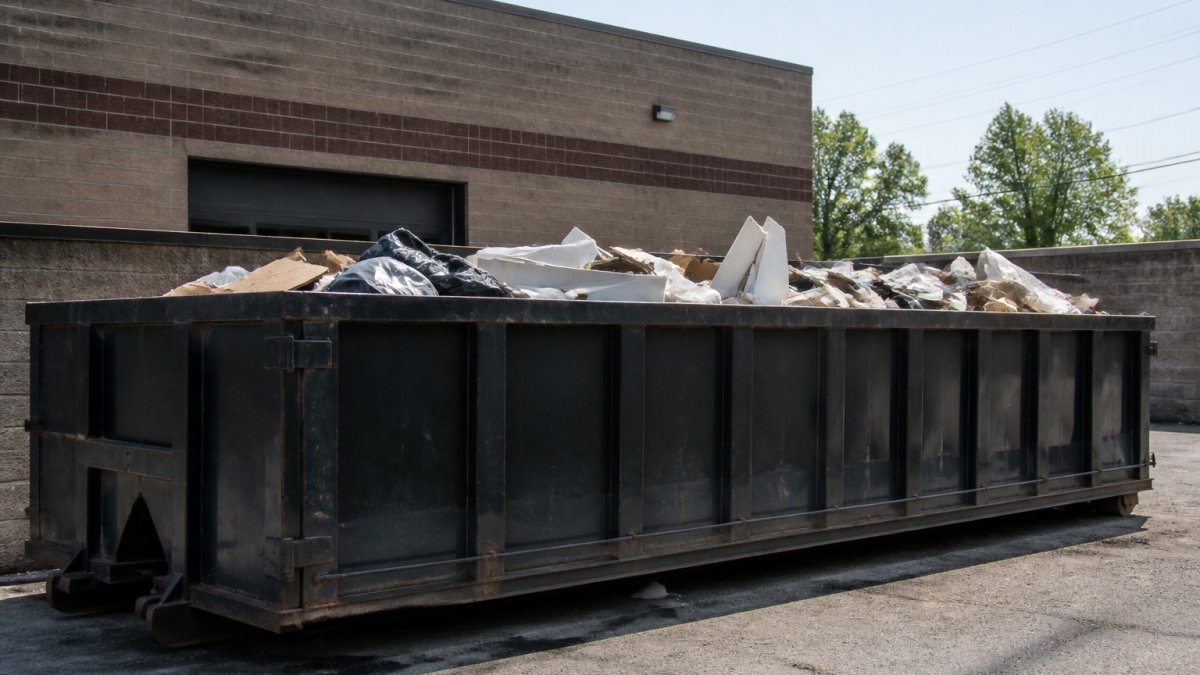
Bin rental | Large or mixed cleanups with wire, posts, concrete, and boards | Bin size, delivery, and tonnage charges | Bin size, placement, what is accepted, weight limits |
Scrap value and minimum quantities. Scrap yards generally pay by weight, and light, bulky wire tends to pay less per weight than heavy scrap.
Facility acceptance checklist. Rules vary by municipality and facility, so confirm before you load:
Does the transfer station accept barbed wire, woven wire, chicken wire, and loose wire, or only bundled metal?
Is there a load limit or a per-item charge for wire and posts?
Are concrete-set posts and treated wood accepted separately?
What are the hours, and do you need to separate metal from debris at the gate?
A simple decision tree. If the load is mostly clean metal and you have a trailer, call the scrap yard first. If you go the bin route, our guide on how to rent a roll off bin walks through the process, and how to choose the best roll off bin rental service covers provider selection.
Watch out: do not assume a facility takes wire just because it takes metal, barbed and loose wire are commonly restricted, and arriving with a rejected load means hauling it home again.
Step 7: What to Do with Old Fence Posts and Concrete
Wood posts that are sound can be reused for garden edging or firewood if untreated. Rotten posts go in the bin or to the transfer station. Treated wood needs to go to a facility that accepts it, so confirm before you load.
Steel T-posts are the easy win. Pull them with a post puller or a handyman jack, straighten them, and keep the good ones. Bent posts go to scrap metal with the wire.
Concrete-set posts are the hard part. Options include:
Dig out the concrete collar and dispose of it as rubble
Cut the post at ground level and leave the buried base
Use a loader or chain to pull stubborn posts
Concrete is heavy and often carries a separate charge or its own bin. Keep it out of a mixed load if you can.
Book a Roll-Off Bin for Your Fencing Cleanup
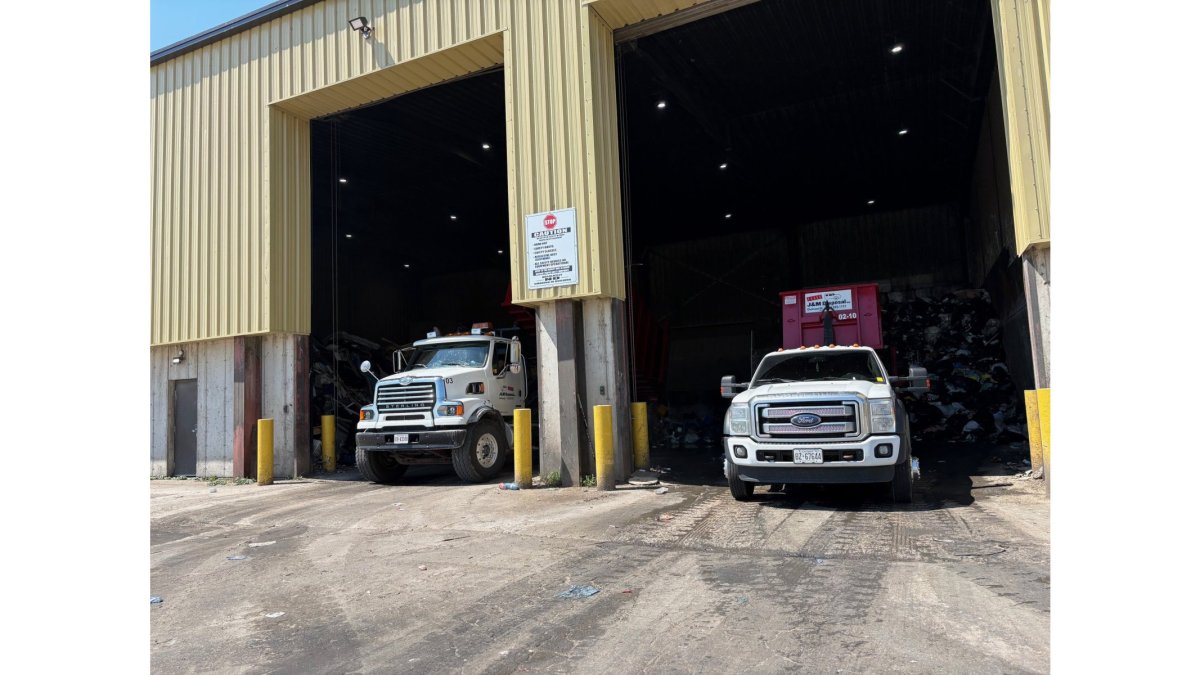
The job is simpler when one container handles the wire, the posts, and the rest of the mess. J&M Disposal Inc. is a locally owned waste management company.
Here is what a bin can offer for fencing work:
One drop, one pickup. Fewer trailer trips and less sorting at the gate.
Room for mixed debris. Wire, posts, and old boards go in together.
Flexible sizing. Match the bin to the fence line, not the other way around.
If you are unsure which size fits, our guide on residential waste container sizes breaks it down. To see the full picture of what a bin saves you, read the benefits of roll-off bins for cleanouts.
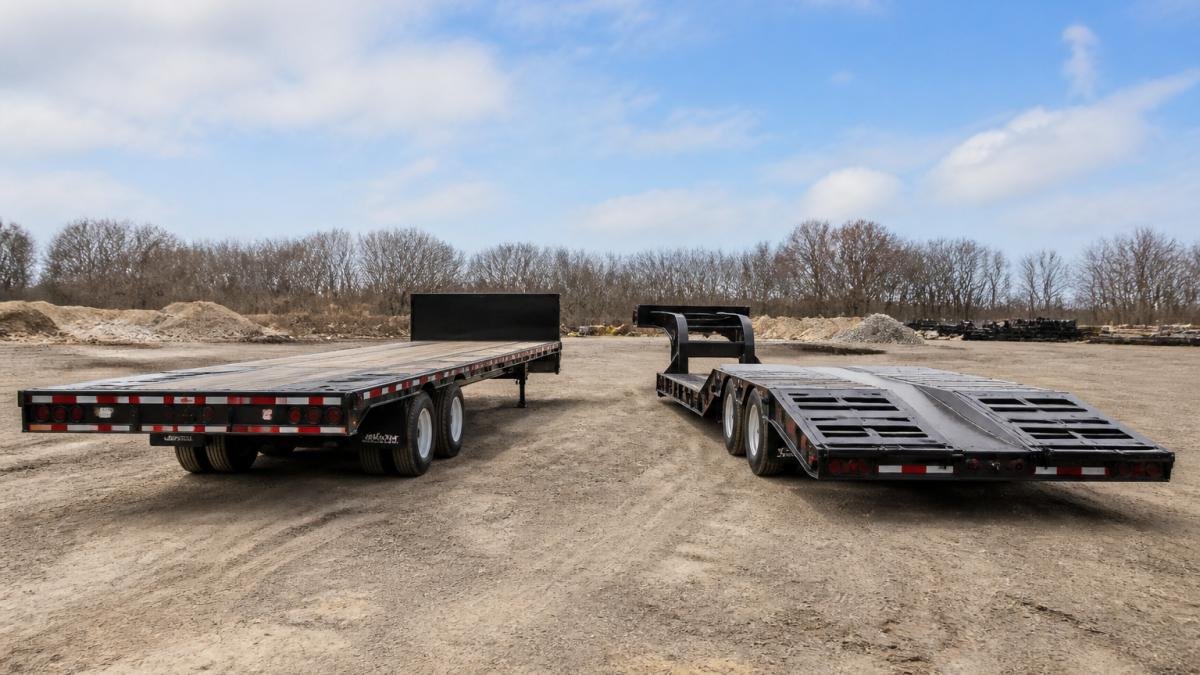
J&M Disposal Inc. also offers flat deck and float services for transporting heavy equipment, which can be useful if the cleanup involves machinery.
Old fencing wire does not have to sit in a heap at the back of the property for another season. Sort it, bundle it, and pick the route that fits the volume.
Frequently Asked Questions
Can old farm fencing wire be recycled?
Yes. Old farm fencing wire, including galvanized and rusted wire, may be accepted at some scrap metal yards and transfer stations. Clean wire with little attached debris fetches a higher scrap value. Call ahead to confirm minimum quantities and whether your wire type is accepted. Recycling keeps metal out of landfill and may offset part of your cleanup cost.
Can barbed wire go in a roll-off bin?
Many roll-off bin providers accept barbed wire if it is coiled, bundled, and tied securely so it cannot spring loose during transport. Confirm with your provider before booking, because some facilities restrict sharp wire. Never put loose barbed wire in a bin; it poses a serious injury risk to handlers and can damage equipment.
Should farm fencing wire be bundled before disposal?
Bundling is strongly recommended. Coil or flatten the wire, tie it with baling wire or zip ties, and stack bundles flat. Bundling reduces volume, makes loading safer, and helps meet scrap yard or transfer station requirements. For woven wire, roll it into tight cylinders; for barbed wire, coil it and secure both ends.
Is burning old farm fencing wire safe?
No. Burning fencing wire, especially galvanized wire, releases toxic metal fumes and leaves behind ash and residue that can contaminate soil. Many municipalities also prohibit open burning of wire and coated metals. Instead, recycle the wire at a scrap yard or dispose of it through a licensed waste facility or bin rental service.
Comments