
Benefits of Roll-Off Bins for Cleanouts: 8 Ways They Help
Table of Contents
Last Updated: October 20, 2026
Why Roll-Off Bins Make Cleanouts Faster and Cleaner
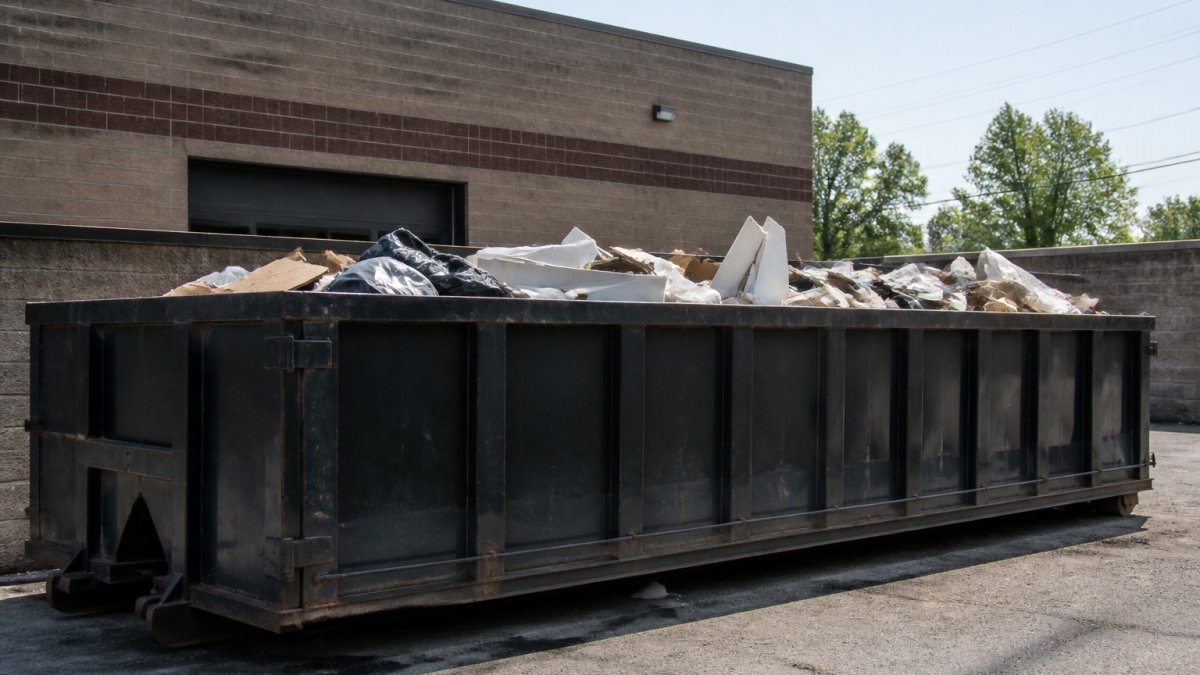
A roll-off bin is an open-top container delivered to your property, filled on your schedule, and hauled away in a single trip.
At J&M Disposal Inc., we have watched cleanouts stall for a simple reason: people underestimate the volume.
The benefits of roll off bins for cleanouts come down to capacity, containment, and time: one container sized to the job, a fixed place for debris, and a pickup you schedule when the work is done.
The Biggest Benefits of Roll-Off Bins for Cleanouts
Roll-off bins solve the two problems that slow every cleanout: volume and mess. One container holds the entire load and eliminates repeated trips to a disposal site.
Handling Large Volumes of Waste in One Drop
Cleanouts generate bulky items regular collection will not touch: old furniture, carpet, appliances, lumber, drywall. A roll-off bin swallows all of it in one delivery, instead of loading a trailer five times, you load one container once.
On a renovation, the bin sits on site and the crew clears the work area as they go rather than tripping over a growing heap.
Centralized Disposal and Better Site Organization
One container means one place for everything, so crews know where debris goes and the work area stays clear. It also makes sorting practical: stage donations and recyclables beside the bin before they go in.
Improved Safety and Fewer Disposal Trips
Loose debris causes trips, cuts, and dust, scattered nails and broken glass in a driveway are a genuine hazard. A roll-off bin contains the mess behind walls tall enough to hold it.
Fewer disposal trips also means fewer vehicles moving in and out of a tight driveway, a real safety gain on a residential street.
Pro Tip Place the bin as close to the debris as the truck can reach, but never block the path you need for loading. A bin you have to walk around all day costs more time than one parked ten feet farther out.
Roll-Off Bin Sizes for Cleanouts: Matching the Container to the Job
Picking the right size is the decision most people get wrong. You are not estimating lumber and drywall by the square foot but a lifetime of belongings and bulky items that do not stack neatly.
A useful starting point: a standard pickup truck bed holds roughly 2 to 3 cubic yards of loose debris. A 10-yard bin holds about three to four pickup loads.
Sizing by Cleanout Type
Cleanout Type | Typical Bin Size | What Typically Fits | Common Sizing Mistake |
Garage or shed | 10-15 yard | Bagged junk, shelving, small furniture, yard tools, boxes | Ordering a 5-yard for a two-car garage packed to the rafters |
Basement | 15-20 yard | Furniture, carpet, boxes, appliances, light renovation debris | Forgetting the weight of old appliances and dense boxed items |
Estate or whole-home cleanout | 20-30 yard | Furniture, appliances, mattresses, mixed household goods, clothing, kitchenware | Underestimating volume because belongings are spread across rooms |
Attic or crawlspace | 10-15 yard | Insulation, boxes, old furniture, light debris | Overloading with dense materials like shingles or plaster |
Full renovation or addition | 20-30 yard | Drywall, lumber, flooring, fixtures, cabinetry | Mixing heavy concrete or soil with light debris and exceeding weight limits |
Large demolition or multi-unit cleanout | 30-40 yard | Heavy mixed debris, large-volume projects | Assuming one bin covers a multi-day demolition without a swap |
A Simple Volume Estimate You Can Do Before You Call
Walk through the space and count pickup-truck equivalents. A sofa and two armchairs is roughly one load once broken down; a full bedroom set about one and a half; a refrigerator and stove together roughly one. Bagged clothing and boxed kitchenware fill space faster than people expect, a closet floor-to-ceiling in bags is often two loads on its own.
Add up the equivalents, then round up, cleanout debris almost always takes more room than the walkthrough suggests.
Common Sizing Mistakes That Cost You Money
The most frequent error is ordering too small to save on the rental rate, then paying for a second haul, which usually costs more than the difference between the two bin sizes.
Another mistake is ignoring weight: a 20-yard bin filled with concrete, soil, or plaster can hit the weight limit long before it looks full, which is why heavy materials usually go in separate loads.
Pro Tip If you are between two sizes, size up. The cost difference between a 15-yard and a 20-yard bin is almost always less than the cost of a second haul, and the extra room lets you load without cramming.
J&M Disposal Inc. carries bins in 5, 10, 15, 20, 22, and 40 yard sizes. Describe the cleanout, how many rooms, what large items are involved, and whether heavy materials are in the mix, and we will point you to the size that avoids both a second haul and a wasted rental.
What Can You Put in a Roll-Off Bin During a Cleanout?
Most household and renovation debris is accepted, but a single prohibited item can turn a smooth pickup into a rejected load and a second trip. The checklist below is organized the way a cleanout unfolds, so you can sort as you go.
Accepted: The Everyday Cleanout Load
These items are generally accepted in a standard roll-off bin:
Furniture and bulky household goods: sofas, chairs, tables, dressers, mattresses, box springs, shelving units
Appliances: refrigerators, stoves, washers, dryers, dishwashers, confirm refrigerant removal requirements for fridges and freezers before loading
Flooring and carpet: carpet, underlay, hardwood, laminate, vinyl tile
Prohibited: Items That Require Separate Disposal
These items should never go in a roll-off bin. Many have dedicated collection programs through municipal depots or provincial stewardship programs:
Liquids and chemicals: paint, solvents, cleaning products, pool chemicals, antifreeze
Batteries and pressurized containers: propane tanks, aerosol cans, fire extinguishers
Tires and automotive fluids: motor oil, transmission fluid, oil filters
A Sorting Sequence That Saves Space and Avoids Fees
Sort before you load:
Set aside donations and reusable items first. Furniture, clothing, kitchenware, and tools in good condition can go to local charities or reuse centers.
Pull recyclables next. Cardboard, metal, and clean plastics can often be recycled curbside or at a depot, freeing bin space.
Isolate hazardous and prohibited items. Stage paint, batteries, electronics, and chemicals for a municipal household hazardous waste depot or stewardship program.
Flag heavy materials. Keep concrete, soil, tile, and plaster in a separate pile so the hauler can advise on weight limits and whether a dedicated load is needed.
Load the remaining accepted debris. What is left is usually far less than the original pile, and far cheaper to dispose of.
Watch Out Asbestos is the one material that can stop a cleanout entirely. Homes built before the mid-1980s may contain asbestos in insulation, floor tile, pipe wrap, or ceiling texture. If you suspect it, stop and have it tested before demolition begins. A standard roll-off bin cannot accept asbestos-containing material, and improper handling is a health and legal issue.
Rules Vary by Municipality, Confirm Before You Load
Disposal rules are set locally, and what is accepted at one facility may be refused at another. Confirm with your local municipal waste authority before loading anything you are unsure about; provincial stewardship programs handle electronics, paint, and tires separately. If your cleanout mixes concrete, drywall, and metal, tell the hauler before delivery, heavy materials are usually handled in separate loads to avoid exceeding the allowed tonnage.
How to Load a Roll-Off Bin Without Wasting Space or Weight

Loading well is a skill: fill the bin in the wrong order and you waste half the capacity, or exceed the weight limit and pay an overage fee.
Follow these steps:
Sort before you load. Pull out anything for donation, recycling, or household hazardous waste collection first. Every item you divert frees space in the bin.
Put heavy material on the bottom. Concrete chunks, soil, and dense debris go in first, spread evenly rather than piled in one corner.
Break down bulky items. Flatten boxes, dismantle furniture, and cut lumber to length. Broken-down material packs far tighter.
Fill gaps with small debris. Tuck bagged junk and small pieces into the spaces between larger items.
Keep the load level. Spread debris across the full floor of the bin and stop at the top rail, never above it.
Leave the ends clear. Keep the rear of the bin accessible so the truck can hook and lift it safely.
Key Takeaway The single biggest space saver in any cleanout is breaking things down. A dismantled sofa takes a fraction of the room of an intact one, and the same is true of boxes, shelving, and lumber.
Roll-Off Bin vs Junk Removal: Which Fits Your Cleanout?
A roll-off bin suits projects where debris builds over days or weeks and you want to load on your own schedule. Junk removal suits small, single-day jobs where someone else does the lifting. The choice comes down to volume, timeline, and labor.
Factor | Roll-Off Bin | Junk Removal |
Best for | Multi-day cleanouts, renovations | Small one-day pickups |
Labor | You load it | Crew loads it |
Timeline | Bin stays for the rental period | Single visit |
Cost control | Fixed rental, watch weight limits | Priced per load |
Sorting | You control what goes in | Crew decides on site |
For a garage cleanout you can finish in an afternoon, junk removal is convenient. For a basement, an estate cleanout, or a weeks-long renovation, a roll-off bin is the better fit: you load as you go and pay for one container rather than repeated pickups.
Planning Delivery, Pickup, and Permits Before You Start
Placement. The bin needs a firm, level surface with clear overhead clearance for the truck.
Access. Roll-off trucks need room to back in and lift.
Permits. Many municipalities require a permit when a bin sits on a public road or boulevard.
Pickup scheduling. Book the pickup for when the work is genuinely done, and ask about extension options up front.
Pro Tip Book your bin for the day before demolition starts, not the morning of. Having the container on site before the first swing of a hammer keeps debris off the floor and out of the way from hour one.
Conclusion
A cleanout always takes longer than expected, and waste is usually the reason. Debris piles up faster than anyone plans for, and every trip to the disposal site costs time you could spend finishing the job.
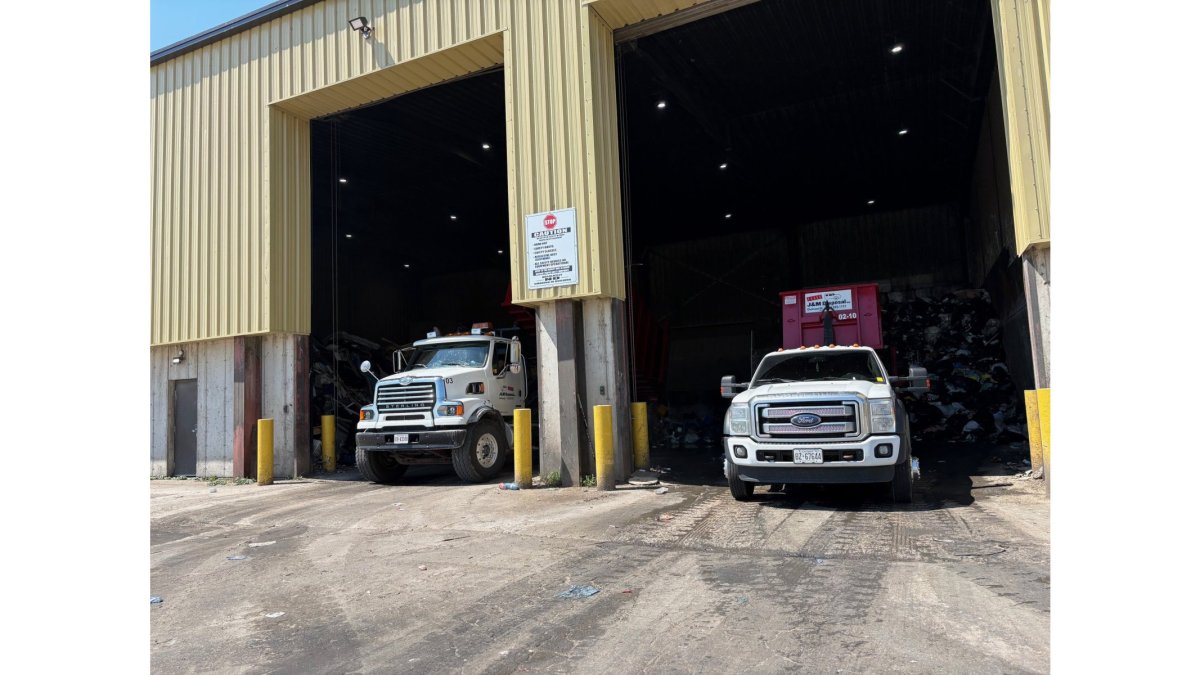
J&M Disposal Inc. takes that problem off your hands. As a locally owned and operated waste management company, we deliver roll-off bins in sizes from 5 to 40 yards, sized to everything from a single garage to a full demolition.
Call J&M Disposal Inc. today to book your bin and get your cleanout moving.
Frequently Asked Questions
What size roll-off bin do I need for a home cleanout?
Match the bin to the volume of debris, not the square footage of the home. A single-room or garage cleanout usually fits a 10 or 15 yard bin, while a full basement or whole-house cleanout often needs a 20 or 22 yard container. Heavy materials like concrete and shingles fill a bin by weight before volume, so a smaller bin is safer for those loads. J&M Disposal Inc. offers sizes from 5 to 40 yards and can help you pick based on what you are clearing out.
What can you put in a roll-off bin during a cleanout?
Most household clutter, furniture, drywall, lumber, decking, and construction debris are accepted. Keep prohibited items out: paints, solvents, propane tanks, tires, batteries, and appliances with refrigerant require separate handling. Concrete and soil are usually fine but must be booked as a heavy load because they hit the weight limit fast. Ask before loading anything you are unsure about, since one prohibited item can trigger extra fees or a rejected pickup.
How long can I keep a roll-off bin, and can I extend the rental?
Most cleanout rentals run on a set rental period, often a week, and you can extend it if the project runs long. Extension charges depend on the bin size and how many extra days you need, so confirm the daily rate before the bin arrives. If you are still sorting and hauling, call ahead of the scheduled pickup rather than waiting, since a missed pickup can throw off your timeline and add cost.
Is a roll-off bin worth it compared to junk removal for a cleanout?
Roll-off bins usually cost less per unit of debris on larger cleanouts because you load at your own pace and pay for the container rather than per-item labor. Junk removal wins when the volume is small or you cannot lift the items yourself. For a renovation, estate cleanout, or community cleanup with bulky items and construction debris, a bin keeps the work area organized and cuts the number of disposal trips.
Comments