
Can I Mix Concrete and Drywall? What You Need to Know
Table of Contents
Last Updated: September 28, 2026
Why Mixing Concrete and Drywall Causes Problems
Can I mix concrete and drywall? No. You cannot blend these two materials into one usable product, and you should not try. Concrete and drywall are chemically and physically incompatible. Concrete is a hard, alkaline, cement-based material. Drywall is a soft, gypsum-based panel wrapped in paper.
The confusion usually comes from two different questions. Some people want to know if you can mix leftover concrete and drywall debris in one bin. Others want to know if you can spread drywall joint compound over a concrete wall. The first is a disposal question. The second is a finishing question. Both have clear answers, and this guide from J&M Disposal Inc. covers each one.
Here is the short version: keep the materials separate, and treat concrete walls with the right products.
Mixing them at the material level fails for a few reasons:
Chemistry: Concrete is alkaline. Gypsum-based products react badly with that environment.
Water: Concrete pulls moisture and holds it. Drywall breaks down when wet.
Adhesion: Joint compound cannot grip a dense, dusty masonry surface.
Curing: The two materials expand and shrink at different rates.
That last point matters more than most guides admit. When two materials move at different rates, the bond between them cracks and lets go. This is called delamination.
Watch Out Never dump drywall into a concrete-only load or the reverse. Many facilities treat mixed loads as contaminated material and charge a higher fee, or reject the load outright.
The Chemistry Behind the Failure
Gypsum is the core of every drywall panel. It is a soft mineral that dissolves slowly when it stays damp. Concrete, by contrast, is cementitious and highly alkaline, with a pH that stays high for a long time.
When you press joint compound against a concrete wall, three things happen at once:
The concrete wicks moisture out of the compound.
The alkaline surface attacks the gypsum bond.
The compound shrinks as it dries and pulls away from the wall.
The result is cracking, powdering, and delamination. This is not a workmanship problem. It is a material problem. No amount of careful trowel work fixes bad chemistry.
The same logic applies to mixing drywall mud with concrete additives. Some people hope a bonding agent will make the two play nicely. It will not. You are trying to glue a soft, water-sensitive material to a hard, wet, alkaline one.
Can You Use Joint Compound on Concrete Walls?
You can use joint compound on a concrete wall only as a thin skim coat over a properly primed surface, and only for interior, dry areas. It is not a structural finish and it will fail if moisture is present.
So when does it work? When the wall is clean, dry, and sealed with a primer made for masonry. The primer blocks the alkaline surface and stops the concrete from stealing water from the compound. Without that primer, the finish coat will crack within weeks.

A few rules keep a skim coat alive:
Use a masonry primer first, no shortcuts.
Apply thin coats, not one thick layer.
Let each coat cure fully before the next.
Keep the area dry and ventilated.
For a true stucco finish or texture on exterior concrete, joint compound is the wrong product. It cannot handle rain, frost, or hydrostatic pressure.
Pro Tip If you are testing a small area, tape a square of plastic to the wall for 24 hours. If condensation forms underneath, there is moisture migration and no joint compound will hold.
How to Attach Drywall to Concrete Walls
You attach drywall to concrete walls with furring strips or a steel stud frame, not with adhesive alone. Direct glue-up onto bare concrete almost always fails.
Here is the step-by-step method that holds up:
Check for moisture. Test the wall before you build anything.
Install a vapor barrier if the wall is below grade or damp.
Fasten furring strips to the concrete with masonry anchors, spaced about 40 cm apart.
Add insulation between the strips if the wall is exterior.
Screw the drywall to the strips, never to the concrete itself.
Tape and finish as normal.
Method | Best For | Main Risk |
Furring strips | Most walls, damp areas | Extra depth lost |
Steel stud frame | Uneven or wet walls | Higher material cost |
Adhesive only | Dry, flat, above-grade walls | Delamination over time |
Construction Waste Disposal Regulations for Concrete and Drywall
Construction waste disposal regulations treat concrete and drywall as separate waste streams, and the reason is not bureaucratic tidiness. It is the physical reality of how each material gets recycled.
Federal: CEPA sets the baseline for what counts as hazardous and how waste can move between provinces.
Provincial: Each province sets its own waste classification, diversion targets, and landfill restrictions. Quebec, British Columbia, and Ontario all handle drywall diversion differently.
Municipal and facility-level: The transfer station or private landfill sets its own acceptance criteria, tipping fees, and contamination thresholds. This is the layer that actually rejects your load.
Key Takeaway Separate concrete from drywall at the source. It saves money on fees and keeps both materials recyclable.
Mixed Load Waste Fees: What Happens When You Combine Materials
Mixed load waste fees are higher because the facility has to do the sorting you did not, and the way those fees are calculated is more mechanical than most homeowners expect. Understanding the mechanism is the difference between a clean drop-off and a rejected load.
The truck is weighed on a scale, both empty and loaded. You are billed on the net weight, not on volume, so a bin packed with dense concrete rubble costs more per cubic yard than a bin of drywall offcuts.
The load is visually inspected as it is tipped. Staff are looking for cross-contamination: drywall in the concrete pile, concrete in the drywall pile, and anything that is neither.
The load is classified. Clean, single-material loads get the commodity rate. Mixed loads get the mixed-waste rate, which is typically the highest tier the facility charges.
Contamination surcharges may apply. Many facilities set a threshold, often expressed as a percentage of the load by volume, above which the entire load is reclassified, not just the contaminated portion. A few sheets of drywall in a concrete bin can flip the whole load.
The load may be rejected outright. If the contamination is severe or includes prohibited items, the facility refuses it and you pay for the trip anyway.
A few practical rules cut the risk:
Sort at the source, not at the bin. Once materials are commingled in a bin, no one is going to pick them apart for you.
Keep drywall dry. Wet drywall is heavier, which raises your per-tonne cost, and it degrades the gypsum enough that some recyclers will not take it.
Ask about the contamination threshold before the bin is dropped. A facility that allows 5% contamination by volume is a very different proposition from one that allows zero.
Never use a mixed bin as a shortcut for hazardous items. Paint, solvents, and treated wood trigger immediate rejection and can carry separate disposal obligations.
Watch Out A single contaminated load can cost more than two clean loads. When in doubt, split the bins.
How to Sort Construction Waste Before Disposal
Sorting construction waste before disposal is the single easiest way to cut your costs and avoid rejected loads. Do it on site, as the work happens.
Use this checklist:
Concrete, brick, and block in one pile
Drywall in a separate pile, kept dry
Metal scraps in a third pile for recycling
Wood in its own pile, free of treated offcuts
Hazardous items set aside, never in the bin
Cardboard and packaging flattened separately
Recycling Council guidance on construction waste sorting
Frequently Asked Questions
What do you put between concrete and drywall?
You need a barrier to separate the materials. Furring strips are the standard solution: attach 19mm x 38mm wood strips to the concrete with masonry anchors, then fasten drywall to the strips. This creates an air gap that manages moisture migration and prevents the alkaline concrete from contacting the drywall paper. A vapor barrier between the concrete and furring strips adds further protection. Never apply drywall directly to concrete without this separation layer.
Does drywall mud bond to concrete?
It can stick initially, but the bond fails over time. Joint compound is gypsum-based and designed for porous, dimensionally stable surfaces. Concrete is alkaline, moves with temperature changes, and wicks moisture. These conditions cause the compound to crack, delaminate, and lose adhesion. If you need to smooth a concrete wall, use a cementitious patching compound or a masonry-specific bonding agent instead. For drywall finishing near concrete, keep the compound on the drywall side only.
Is it safe to dispose of concrete and drywall in the same bin?
Most waste facilities accept them together in a mixed load, but you will pay higher mixed load waste fees than if you sorted them. Concrete is heavy and can damage bins if overloaded. Drywall contains gypsum, which produces hydrogen sulfide in landfills, so some facilities require separate handling. Check with your waste hauler about local construction waste disposal regulations before mixing. Sorting concrete, drywall, and metal into separate piles reduces fees and improves recycling rates.
How do I separate construction waste for disposal?
Set up labeled piles or bins on site: one for concrete and masonry, one for drywall, one for metal, and one for general debris. Keep drywall dry and stacked flat. Break concrete into manageable pieces. Remove nails and screws from wood. This sorting makes it easier to follow construction waste disposal regulations and helps you avoid mixed load waste fees. If you are renting a roll-off bin, ask the hauler which categories they accept and how they want them separated.
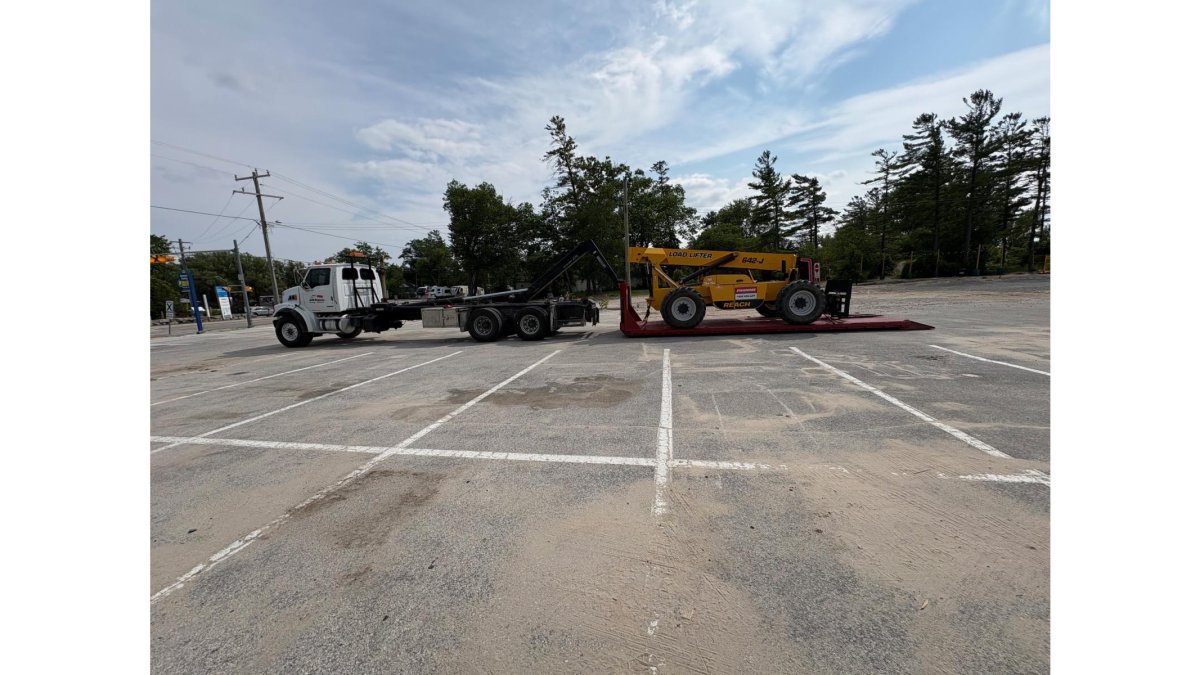
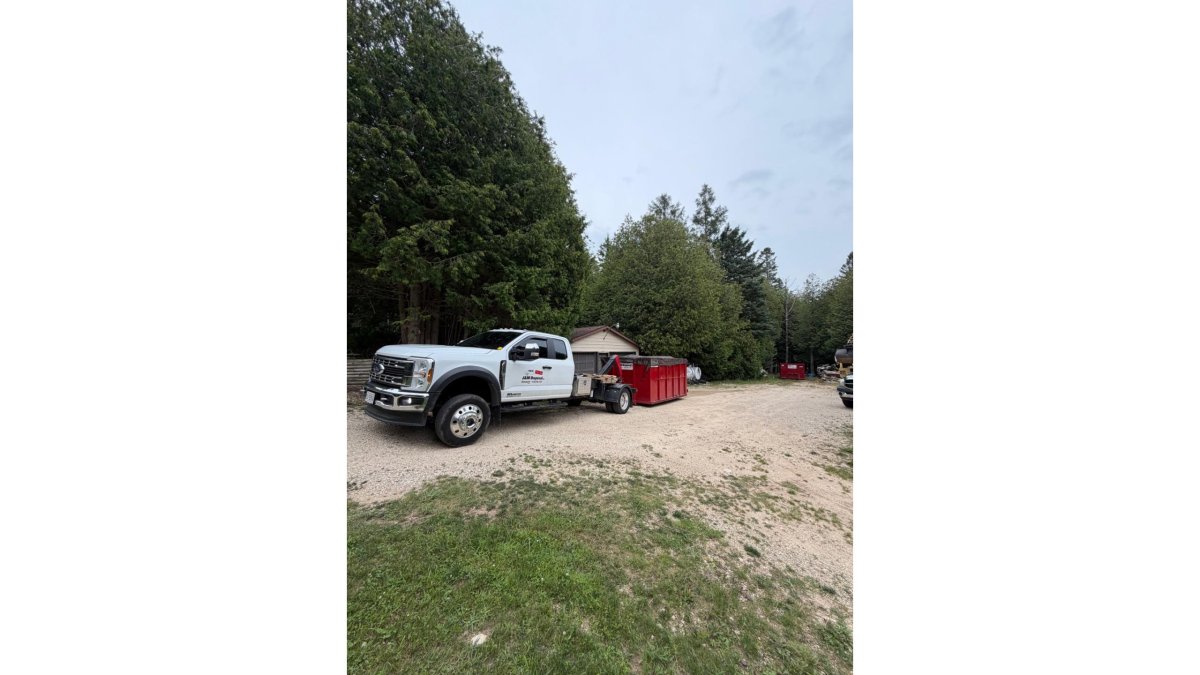
Sorting concrete and drywall correctly is the difference between a clean pickup and a rejected load that stalls your project. J&M Disposal Inc. makes it simple with roll-off bins from 5 to 40 yards, flat deck and float services for oversized loads, and a local team that knows the rules. Get started with J&M Disposal Inc. and keep your renovation on schedule with responsible, hassle-free waste disposal.

Comments