
Dumpster Rental vs Junk Removal Service: Which to Choose?
Table of Contents
Last Updated: October 15, 2026
Dumpster Rental vs Junk Removal Service: How Each Works
Choosing between dumpster rental and a junk removal service comes down to one question: how much of the work do you want to do yourself?
Dumpster rental is the practice of placing a large, open-top container on a property for a set rental period so the customer can load waste themselves before it is hauled to a landfill or transfer station.
Junk removal is a full-service alternative in which a crew arrives at the property, loads bulky items and debris by hand, and transports everything away in a single visit.
What a Roll-Off Bin Rental Includes
A roll-off bin rental includes delivery, the container itself, a set rental period, and pickup. You handle the loading. The bin sits in your driveway or on a jobsite while you fill it at your own pace, which matters on a renovation that runs week to week. Most rentals include a weight allowance, and anything above that allowance is billed as an overage.
What a Full-Service Junk Removal Crew Handles
A junk removal crew handles everything from the first lift to final disposal. Two or more workers arrive, carry items out of basements, garages, and backyards, load them into a truck, and leave with a swept-clean space behind them. You point at what goes, and the crew does the rest. That hands-off service is the entire point: no bin in the driveway, no lifting, no scheduling a second visit.
Quick Comparison: Dumpster Rental vs Junk Removal Service
Factor | Dumpster Rental | Junk Removal Service |
Who loads | You | The crew |
Best for | Multi-week projects, heavy debris | Fast cleanouts, bulky items |
Container on site | Yes, for the rental period | No |
Scheduling | Delivery, then pickup when ready | Single scheduled visit |
Physical effort | Moderate to high | Minimal |
Cost structure | Rental rate plus weight overage | Priced per load or volume |
Dumpster Rental Cost vs Junk Removal Pricing
Headline prices rarely match the final bill, and that is the single biggest source of sticker shock on both sides. A bin rental is quoted as a flat rate plus a weight allowance, while junk removal is quoted as a per-load or per-volume price that a crew member estimates on arrival. To compare them fairly, you have to compare the total cost, not the advertised number.
How a Dumpster Rental Bill Is Assembled
A typical roll-off rental invoice has four line items:
Base rental rate, covers delivery, the container, a set rental period (often 7 to 14 days), and pickup.
Included weight allowance, most bins include a tonnage allowance (commonly 1 to 2 tonnes for smaller bins, more for larger ones).
Overage charge, billed per tonne above the allowance. Heavy materials like concrete, brick, soil, and shingles are the usual culprits.
Two more charges catch people off guard: a rental extension fee if the bin stays past its term (often billed per day), and a dry-run or relocation fee if the truck arrives and cannot access or drop the bin.
How a Junk Removal Bill Is Assembled
Junk removal is priced on volume, how much space your items occupy in the truck, plus labor. A crew member walks the load and quotes a price before any lifting starts. That means:
A single bulky item (a couch, a mattress, an appliance) can cost as much as a dozen boxes of small clutter, because it eats truck space.
Stairs, tight hallways, and long carries add labor time and can raise the quote.
Disposal fees for restricted items are usually folded into the quote, but confirm this in writing.
The Break-Even Point
The practical rule most haulers use: junk removal wins on small, light, awkward loads where you pay only for what you have. A bin wins on large, heavy, or multi-week projects because you pay by volume and weight, not by crew time. The crossover usually sits around a single truckload of debris, below that, a crew is often cheaper; above it, a bin usually is.
Watch Out The most common billing surprise is a bin loaded with concrete, brick, or soil. These materials are far heavier than household junk, and a half-full bin can exceed the weight allowance. Tell your hauler what you plan to throw in before delivery so the right size and rate are quoted upfront.
Questions to Ask Before You Book Either Option
What is the included weight allowance, and what is the per-tonne overage rate?
What is the rental period, and what does an extension cost per day?
Which items carry a special-handling surcharge?
Is the junk removal quote binding once the crew arrives, or can it change?
Is there a fee if the truck cannot access the drop spot?
Getting answers to those five questions in writing is the fastest way to compare a real final bill instead of a headline price.
Roll-Off Dumpster Sizes and Matching Them to Your Project
Roll-off dumpster sizes are measured in cubic yards, and matching the bin to the job is the single biggest factor in avoiding a second rental. Small bins suit tight driveways and light cleanouts. Large bins suit demolition and construction waste.
5 to 10 yard bins: small cleanouts, garage purges, yard waste, tight driveways
15 to 20 yard bins: kitchen or bathroom renovations, flooring, drywall
40 yard bins: full home cleanouts, large construction jobs, bulky debris

What Can You Put in a Dumpster: Accepted and Prohibited Items
What you can put in a dumpster covers most household junk, construction waste, and renovation debris, but not hazardous materials. Accepted items typically include furniture, drywall, lumber, flooring, metal scraps, and general household clutter. Prohibited items usually include paint, solvents, propane tanks, tires, batteries, and electronics, because these need special handling under provincial disposal rules. Check with your hauler before you load, since rules vary by facility.
Pro Tip Sort as you load, not after. Keeping metal scraps, cardboard, and clean wood in separate piles inside the bin makes recycling and donation easier at the facility and can reduce your disposal charges. It also keeps prohibited items from slipping in unnoticed.
How Long Can You Rent a Dumpster: Rental Periods and Extensions
How long you can rent a dumpster depends on the hauler and the bin size, but most rentals run for a set period measured in days or weeks. If your project runs long, you can usually extend the rental for an additional fee, and it is almost always cheaper to extend than to rent a second bin. Call before your rental window closes rather than after, because a bin left past its term can trigger a daily charge.
Which Option Fits Your Project: A Decision Framework
Most comparisons stop at "big project, rent a bin; small project, call a crew." That is true but incomplete, because the deciding factor is often logistics, not size, where the container can legally sit, whether a truck can reach it, and who is allowed to load it. Use the scenarios below, then check the placement rules that follow.
Scenario-by-Scenario Picks
Single-item pickup (a couch, a fridge, a mattress): Junk removal. A bin is overkill, and the crew handles the awkward carry and the special disposal fee.
Garage or basement purge, one day: Junk removal. The crew loads and sweeps up; you avoid a bin sitting in the driveway.
Estate cleanout: Junk removal for the bulk of household contents, with a bin only if the volume exceeds a truckload. Sorting for donation is easier when a crew can set items aside.
Permits, Placement, and Property Protection
This is where a job stalls. Before you book a bin, confirm:
Placement permission. A bin on private property (your driveway) usually needs no permit. A bin on a street, boulevard, or municipal right-of-way typically requires a permit from the local municipality, and rules vary by town and county. Check with your local bylaw or public works office before delivery.
Access and clearance. The delivery truck needs a clear, straight approach and overhead clearance for the roll-off tilt. Low branches, parked cars, and narrow lanes are common reasons a drop fails.
Surface protection. A loaded bin is heavy. Place plywood or boards under the rails on asphalt or interlock to prevent cracking and gouging, especially in warm weather.
Space and sightlines. Keep the bin clear of hydro meters, fire routes, and sidewalks, and check any homeowner association or rental-property rules.
Junk removal sidesteps most of this: no container, no permit, no surface damage. The trade-off is that you pay for crew time and truck volume, and you cannot add to the load after the truck leaves.
Key Takeaway Decide in this order: (1) Can a bin legally and safely sit on my property? (2) Is the load heavy, bulky, or spread over more than a few days? (3) Do I want to load it myself? If the answer to (1) is no, junk removal is your option regardless of project size. If (1) is yes and (2) is yes, a bin almost always costs less per unit of waste.
For most renovations and jobsite projects, a roll-off bin is often a cost-effective choice because you control the pace and pay by volume. For a single-room purge or an estate cleanout, a crew is usually faster and simpler.
Frequently Asked Questions
Is it cheaper to rent a dumpster or hire a junk removal service?
Dumpster rental usually costs less upfront because you load it yourself, and it works out cheaper for larger projects where you have time and labor on hand. Junk removal includes the crew, so the price covers loading, hauling, and disposal in one fee. For small cleanouts with one or two bulky items, a full-service pickup can be more cost-effective than paying for a bin you barely fill. For ongoing renovation debris, a rented bin typically delivers better value per cubic metre of waste removed.
When should I choose junk removal instead of a dumpster rental?
Choose junk removal when you cannot or do not want to do the loading, when the items are heavy or awkward like appliances and couches, or when the job is a one-time pickup with no ongoing debris. A dumpster rental suits multi-day renovations, construction waste, and any project where waste accumulates over weeks. If you have a crew on site and a driveway or lane for placement, a bin gives you more flexibility and fewer scheduling constraints.
How long can you rent a dumpster, and what happens if you need it longer?
Standard rental periods for a roll-off bin typically run from a few days up to two weeks, depending on the hauler and the project. If your renovation runs long, most companies allow extensions for an additional daily or weekly charge. Confirm the included rental period before delivery and ask about extension rates upfront so a delayed project does not produce surprise fees. For long builds, ask whether a swap-out schedule makes more sense than extending one bin.
What items cannot go in a dumpster or junk removal pickup?
Both services refuse hazardous and regulated materials, including paints, solvents, motor oil, tires, batteries, propane tanks, asbestos, and electronics in some areas. These require separate disposal through a household hazardous waste depot or a licensed handler. Construction materials like concrete, drywall, and shingles are usually accepted but may carry a heavier weight charge. Ask the hauler for a prohibited items list before you book so nothing gets rejected at pickup.
Will a couch fit in a 10-yard dumpster?
A 10-yard bin is roughly the size of a small car and can hold a couch plus a few other bulky items, but a single couch can consume much of the usable volume once it is in. For one or two furniture pieces, a junk removal crew is often the simpler route because they lift and load without you needing to manoeuvre a heavy item into a bin. For a whole-house cleanout, step up to a 15- or 20-yard bin.
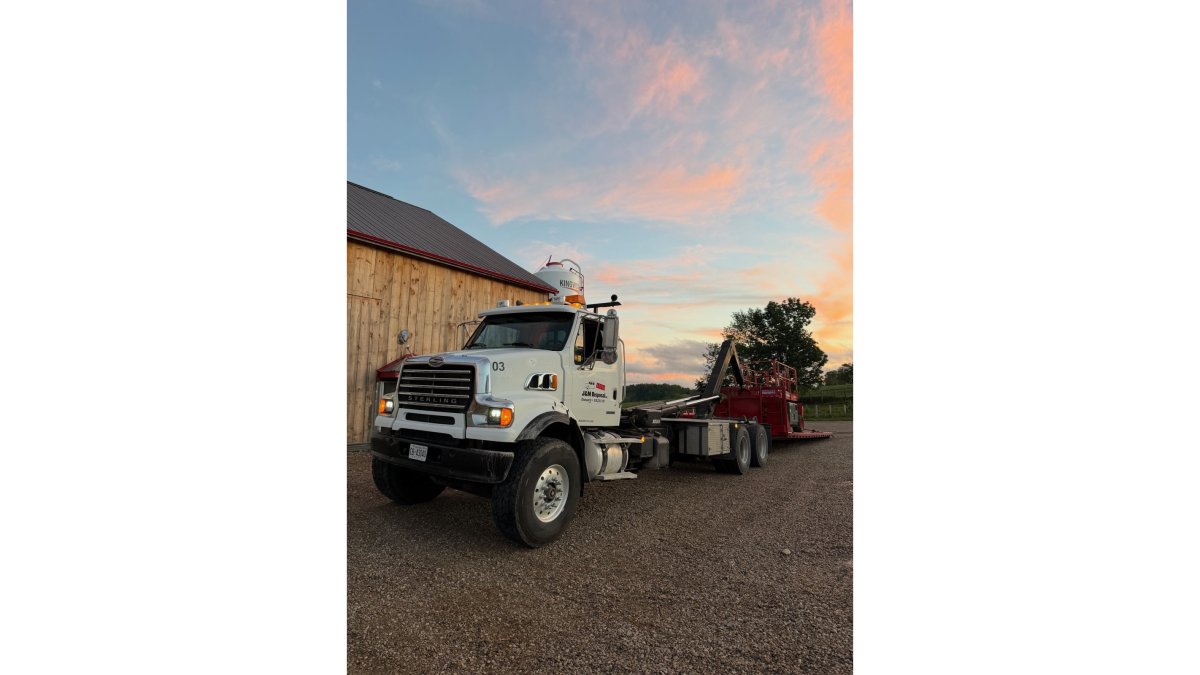
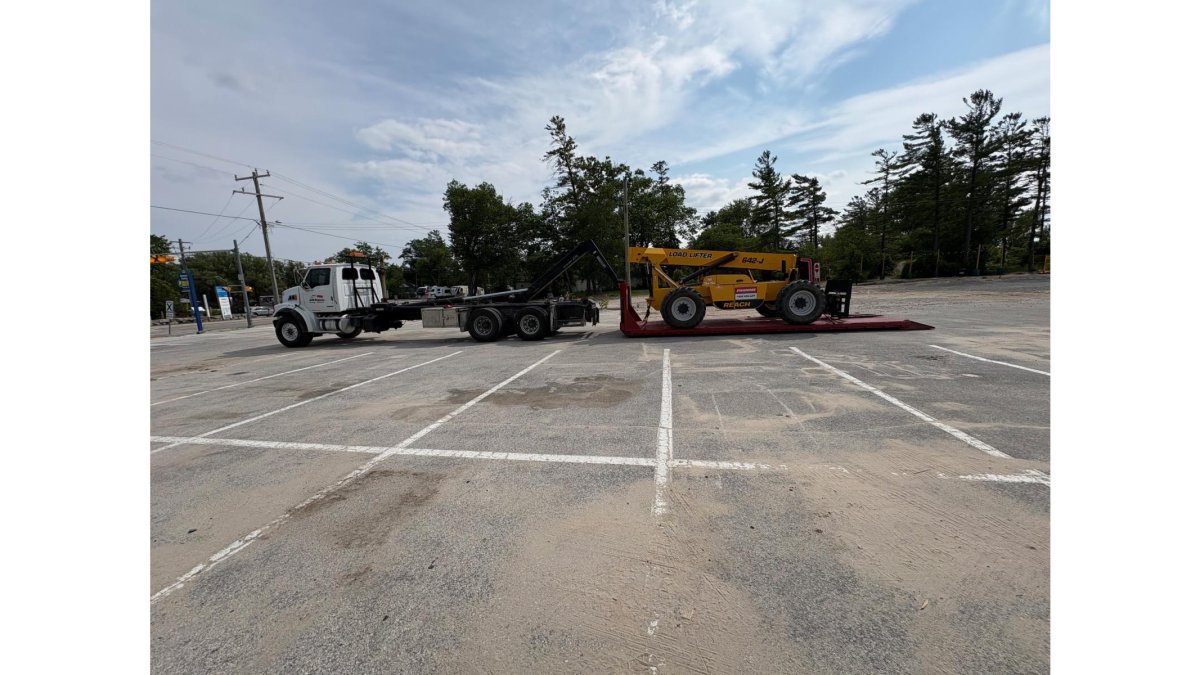
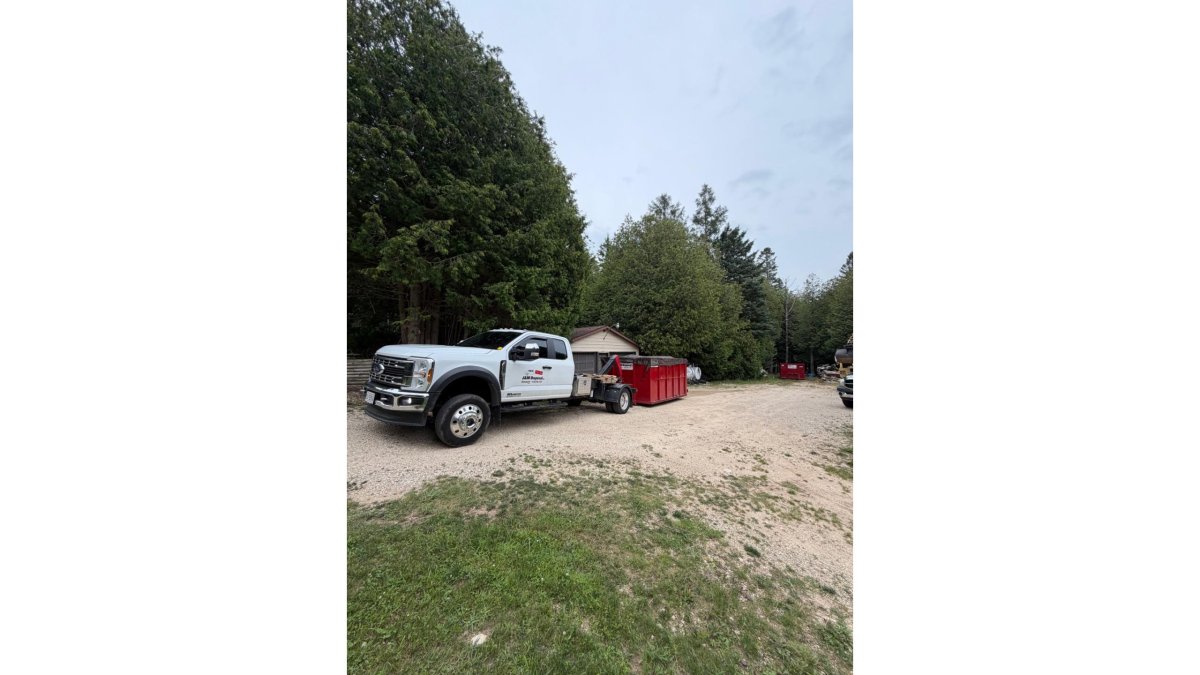
Every project eventually hits the same snag: the waste pile grows faster than the plan for it. J&M Disposal Inc. solves that with locally owned roll-off bins in sizes from 5 to 40 yards, flat deck and float services for oversized equipment, and hook lift truck compatibility for reliable delivery and pickup. Call now and we will size the bin to your job and get it on site when you need it.
Comments