
Flat Deck vs Lowbed for Construction Machinery
Table of Contents
Last Updated: October 2, 2026
Flat Deck vs Lowbed: Quick Comparison Table
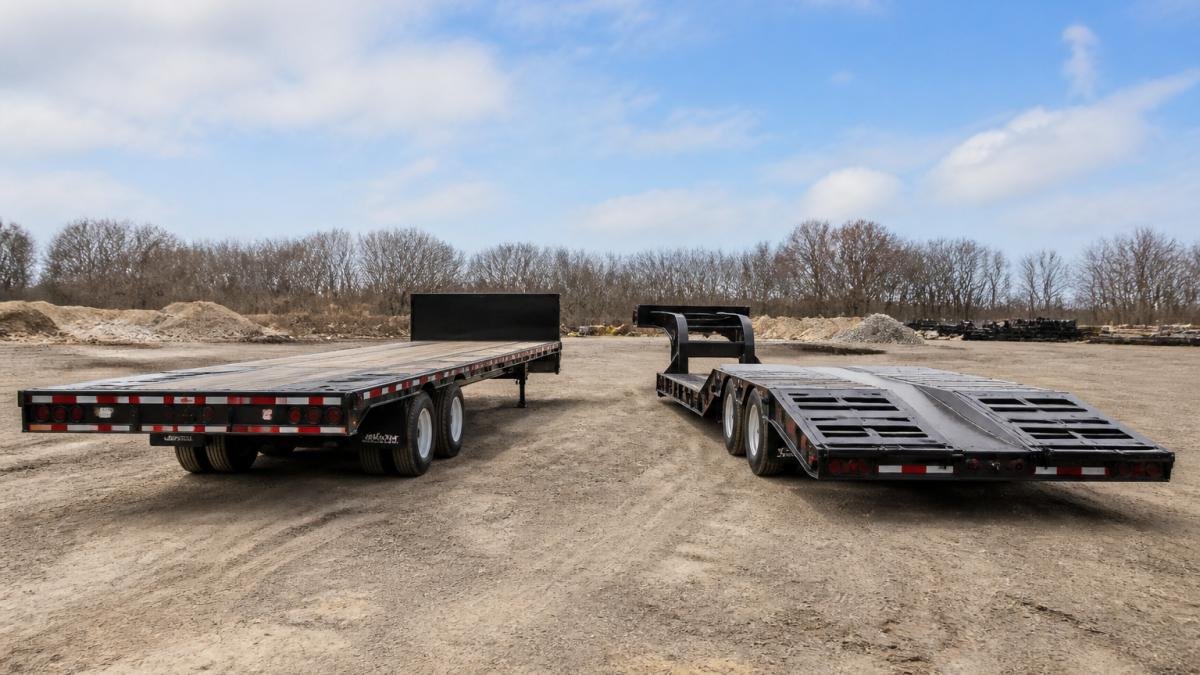
Choosing between a flat deck and a lowbed comes down to one number: your tallest piece of equipment. A flat deck hauls compact and mid-sized machines on a higher deck; a lowbed drops the deck close to the ground for tall, heavy, oversized loads.
The table below summarizes the core differences.
Factor | Flat Deck | Lowbed |
Deck height | Higher, standard clearance | Very low, extra vertical clearance |
Best for | Compact and mid-sized machinery | Tall, heavy, oversized equipment |
Loading | Ramps or self-loading | Ramps, often with a detachable gooseneck |
Permits | Rarely needed | Often required for oversized loads |
Cost | Lower freight rates | Higher rates and permitting costs |
What Is a Flat Deck Trailer?
A flat deck trailer is an open-deck trailer with a flat, level platform and no side walls, built for compact machinery and palletized materials. Its higher deck keeps loading simple and costs down.
Deck Height and Load Capacity
The higher deck is the flat deck's defining trait and main limitation: easy to load from ground level or a dock, but it eats into vertical clearance for tall machines.
Best Use Cases for Compact and Mid-Sized Machinery
Flat decks shine for everyday transport logistics: book one for anything within standard height and weight limits.
Compact excavators and mini diggers
Skid steers and compact track loaders
Palletized materials and attachments
Mid-sized equipment that clears standard bridge and overpass heights
What Is a Lowbed Trailer?
A lowbed trailer is a heavy-duty, low-profile trailer built to carry tall, heavy, oversized construction equipment safely. Its deck sits close to the ground, lowering the load's overall height and center of gravity.
Gooseneck Mechanics and Hydraulic Detachable Design
Lowbeds often use a gooseneck hitch over the truck's rear axle for better weight distribution. Many feature a hydraulic detachable gooseneck, letting the deck's front drop to the ground for front loading.
Weight Capacity and Center of Gravity
The low deck does more than clear height limits: it lowers the center of gravity, improving stability on the road. For heavy machinery transport, that stability is a safety requirement.
Oversize Load Permit Requirements: When You Need Them
An oversize or overweight permit is required when a load exceeds the legal dimensions or weight in provincial highway traffic regulations. It is issued by the province (or provinces) the load travels through, and the carrier, not the shipper, is normally the permit holder. This is the biggest hidden cost difference between a flat deck and a lowbed.
The Legal Thresholds That Trigger a Permit
Every province sets its own limits, but the pattern is consistent. A load generally crosses into permit territory when it exceeds roughly:
Width: about 2.6 metres on most provincial highways
Height: about 4.15 metres from the road surface
Length: about 12.5 metres for the trailer and load combination
Weight: the gross vehicle weight allowed by the truck's registered configuration and axle ratings
Why a Lowbed Often Avoids the Permit Entirely
This is the mechanical reason lowbeds exist. A flat deck deck height typically sits around 1.2 to 1.5 metres, while a lowbed deck can sit as low as 0.3 to 0.6 metres. A 3.5 metre tall excavator on a flat deck reaches roughly 4.7 to 5 metres overall, over the height limit, permit required.
What a Permit Actually Involves
A permit is not a single document. Depending on the province and the load, it can include:
A single-trip or annual permit, annual permits suit carriers who run the same oversize route repeatedly; single-trip permits suit one-off moves.
Route restrictions, the permit may specify approved highways, prohibit travel through certain municipalities, or require a pilot car or escort vehicle for width or length over a set threshold.
Time-of-day restrictions, many jurisdictions restrict oversize movement to daylight hours or ban it during peak commuter periods.
Bridge and structure analysis, very heavy loads may require an engineering review of every bridge on the route before the permit is granted.
Pro Tip Ask your carrier to confirm height and weight limits for the exact route, not just the province. Bridge clearances and municipal rules can tighten limits on a specific road, and a route that works one way may not work on the return trip.
The Practical Takeaway for Project Managers
When you compare flat deck vs lowbed quotes, compare the all-in number, not the freight rate. A flat deck that looks cheaper per kilometer can cost more once you add a height or weight permit, a pilot car, and a restricted travel window. A lowbed that quotes higher up front may be the cheaper legal move because it keeps the load permit-free.
Heavy Equipment Transport Regulations: Compliance Essentials
Heavy equipment transport regulations cover load securement, weight distribution, and driver requirements, and apply to every load regardless of trailer type. Compliance is not optional, and penalties fall on the operator.
Watch Out Skipping a pre-trip securement check is the fastest way to a roadside violation and a delayed delivery. Inspectors can place a vehicle out of service on the spot, which means your equipment sits on the shoulder until the load is corrected.
Loading, Securement, and Height Restrictions
Loading safely depends on matching the trailer to the machine's dimensions, weight, and ground clearance. The wrong trailer turns a simple load into a dangerous one.

Measure first. Record the machine's height, width, length, and weight before booking.
Check height limits. Compare the machine's height plus deck height against legal vertical clearance.
Plan the load angle. Front loading suits low-clearance machines; rear loading works for others.
Confirm tie-down points. Every machine has specific securement locations. Use them.
Distribute the payload. Center the weight over the axles to protect the towing capacity.
How do I know which trailer I need?
Measure your machine's height and weight first. If it fits within standard height and weight limits, a flat deck is the simpler, cheaper choice. If it exceeds either limit, you need a lowbed and likely a permit.
Renting vs. Owning: Cost, Maintenance, and Climate Factors
For most contractors, renting transport capacity beats owning it, but "most" is not "always," and the decision deserves a real framework. This is where the flat deck vs lowbed choice gets made at the fleet level.
The Cost Categories That Decide It
Owning a trailer is not one cost, it is a stack of them:
Capital cost, a new lowbed is a six-figure purchase; a flat deck is a fraction of that. Either way, the money is tied up whether the trailer moves or not.
Financing or opportunity cost, cash spent on a trailer is cash not spent on equipment that earns revenue on site.
Insurance and registration, commercial trailer coverage and annual registration are fixed costs that accrue every month, not just the months you haul.
Maintenance and inspection, brakes, tires, lighting, and deck condition on any trailer; lowbeds add hydraulic systems, hoses, and a detachable gooseneck that need their own service schedule.
Storage and yard space, a lowbed is long and heavy, and it needs somewhere to sit when idle.
Driver and licensing, heavy haul often requires a higher licence class and, for some loads, a pilot car or escort.
A Simple Break-Even Rule of Thumb
The pattern most contractors land on is frequency-based:
A few moves a year, rent. The fixed costs of ownership cannot be justified.
Roughly monthly moves, the math is close; run the numbers against your actual rates before committing.
Weekly or more, owning starts to pencil out, especially if the moves are on predictable routes where you can amortize the trailer across many jobs.
The variable that flips the answer is use: a trailer idle 80 percent of the year is a liability, one that runs most weeks is an asset. If your schedule is lumpy, renting keeps you flexible.
Maintenance and Inspection Checklist
Whether you rent or own, a trailer that fails a roadside inspection costs you a day and a delivery. A simple pre-trip checklist keeps either option road-legal:
Tires: pressure and tread depth
Brakes and air lines: no leaks, full function
Lights and reflectors: all working
Deck and ramps: no cracks or corrosion
Securement gear: chains, straps, and binders rated and undamaged
Hydraulics (lowbed): no leaks, smooth operation of the detachable gooseneck
Climate and Terrain: The Factor Most Guides Ignore
Freezing temperatures make ramps, decks, and gooseneck mechanisms slick. Loading a machine onto a frosted deck is a genuine safety risk, and lowbeds with hydraulic detachable goosenecks need extra care when cold.
Road salt and brine accelerate corrosion on both trailer types, but lowbeds have more exposed hydraulic components to protect. Winter hauling calls for more frequent undercarriage and hose checks.
Mountainous or rolling terrain rewards the lowbed's lower center of gravity. A tall load on a flat deck is more prone to sway on long grades and crosswinds, which is a stability issue, not just a clearance one.
Remote or soft-ground sites can make a heavy lowbed harder to position than a lighter flat deck, so access matters as much as capacity.
Key Takeaway The decision rule: measure your machine, check the legal height and weight limits on your actual route, then weigh the all-in cost of a permitted flat deck move against a permit-free lowbed move. If you move oversized equipment weekly, price ownership; if you move it occasionally, rent and let the carrier carry the fixed costs, the maintenance, and the permitting expertise.
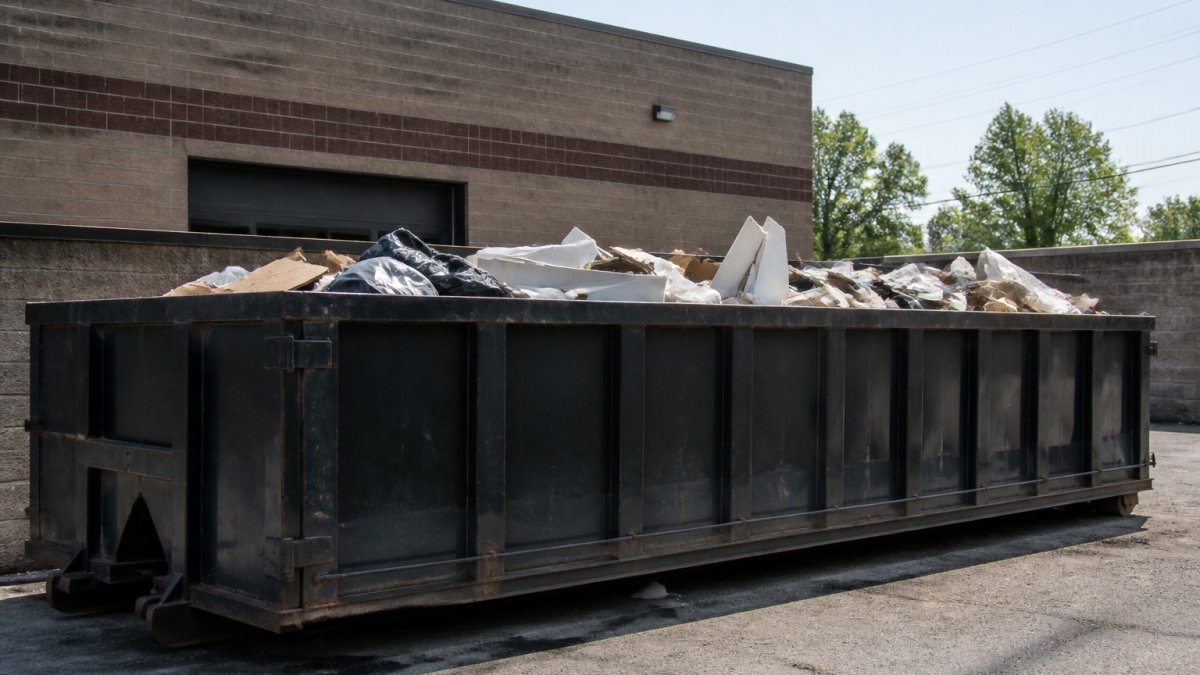
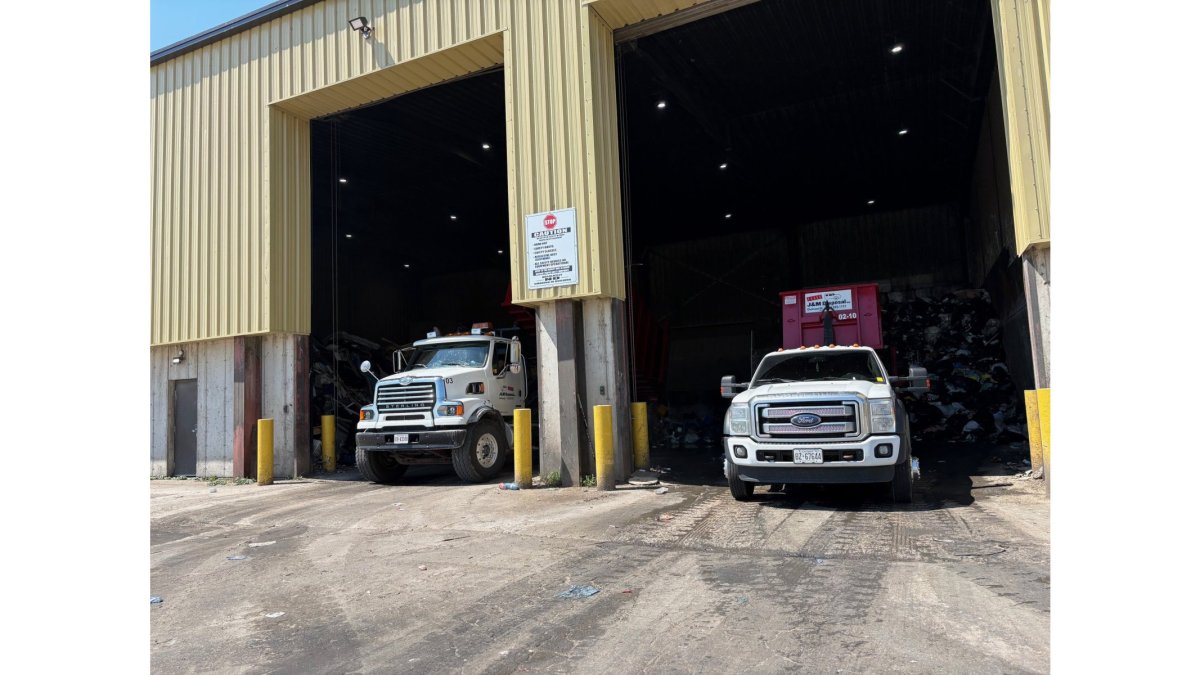
This is where a local partner helps. J&M Disposal Inc. offers flat deck and float services for oversized and construction loads, alongside roll-off bin rentals for project debris. Our bin sizes, from 5 to 40 yards, cover everything from a small cleanout to a full jobsite teardown.
Frequently Asked Questions
What is the difference between a lowbed and a flatbed?
A flatbed has a standard deck height of roughly 1.2 to 1.5 metres, while a lowbed drops to around 0.3 to 0.6 metres. That lower deck height lets a lowbed carry taller machinery without exceeding vertical clearance limits, but it also comes with higher freight rates and more permitting. Flatbeds handle compact equipment and palletized freight more economically.
When is a lowbed trailer required for heavy equipment transport?
A lowbed is required when your machinery's total height on a standard flatbed would exceed the legal vertical clearance limit, typically 4.15 metres in most provinces. Tall excavators, bulldozers, and cranes often need a lowbed. If the load is also overweight or overwidth, a lowbed with the right axle configuration helps distribute payload and stay within permitted load limits.
What are the oversize load permit requirements for construction machinery?
Oversize load permit requirements vary by province. Loads exceeding certain dimensions or weight thresholds typically need a permit from the relevant provincial transportation authority. You may also need to display oversize load signs and potentially use pilot escort vehicles. For specific permit needs, it's best to consult the provincial regulations.
How does center of gravity affect the choice between flat deck and lowbed trailers?
A lower deck height puts the load's center of gravity closer to the ground, which improves trailer stability during turns and on uneven roads. For tall, narrow machinery like telehandlers or boom lifts, a lowbed reduces rollover risk. Flatbeds work fine for compact equipment with a low profile. Match the trailer to the load's height and weight distribution.
Can one trailer handle both my construction machinery and waste bin needs?
No single trailer covers both. Flat deck and float services move your equipment, while roll-off bins handle construction waste and debris. J&M Disposal Inc. provides both: bins from 5 to 40 yards for waste, plus flat deck and float transport for oversized loads. Contact us to discuss coordinating equipment moves and bin drop-offs.
Moving heavy equipment safely comes down to matching the trailer to the load, and getting it wrong costs time and money. J&M Disposal Inc. provides flat deck and float services for construction and agricultural machinery, backed by locally owned, customer-focused support and a full range of roll-off bins for your debris. Call J&M Disposal Inc. today to book the right trailer for your next move and keep your project on schedule.
Comments