
How to Choose the Best Roll Off Bin Rental Service
Last Updated: November 5, 2026
Quick Summary
The best roll off bin rental service is the provider that gives a clear, all-in quote for your bin size and rental period, including delivery, weight allowance, overage rates and taxes. Compare providers on the same bin size, rental period and material type, and confirm what is included before booking.
J&M Disposal Inc. offers bins in 5, 10, 15, 20, 22 and 40 yard sizes.
Request quotes from each provider for the same bin size, rental period and material type.
Ask for the included weight allowance and the per-tonne overage rate in writing.
Ask for the tax-inclusive total, not the pre-tax subtotal.
Confirm the prohibited materials list before loading to avoid a rejected load and re-haul.
Table of Contents
What a Roll-Off Bin Rental Includes and How the Service Works
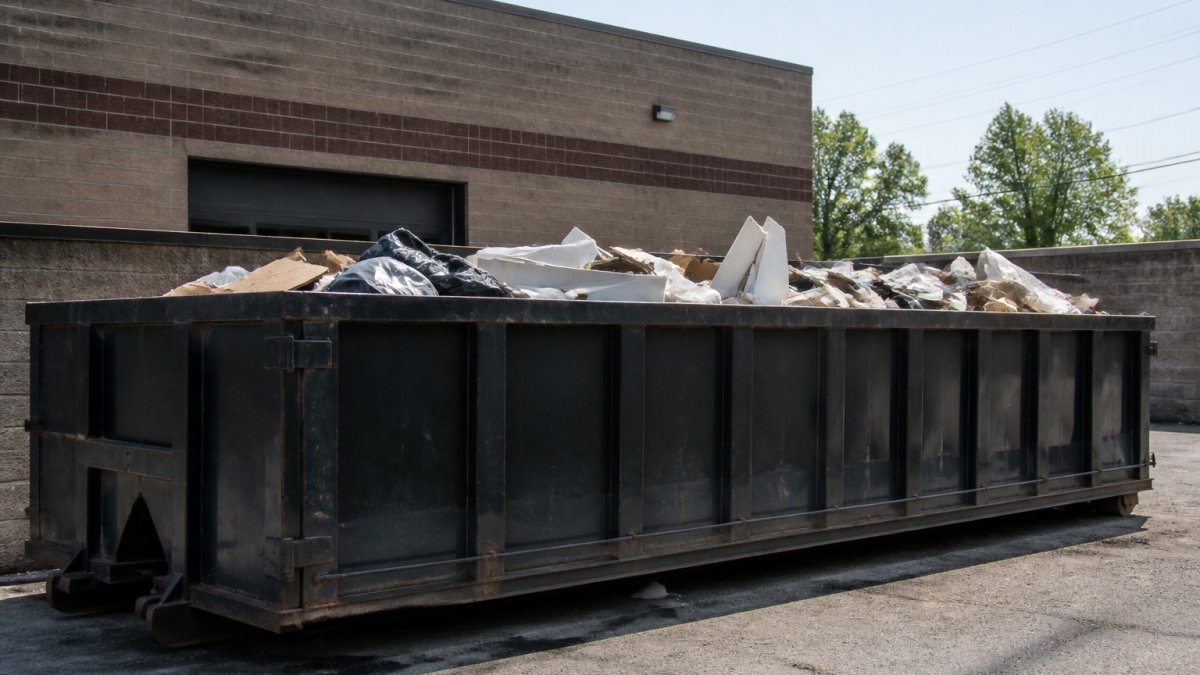
Renting a roll-off bin is one of the simplest ways to clear debris from a renovation, a property cleanout or a construction site. The core idea is straightforward: a provider delivers a large open container to your property, you fill it, and the provider hauls it away. What separates one provider from another is the detail behind that process, so it helps to know what a good rental covers before you call anyone.

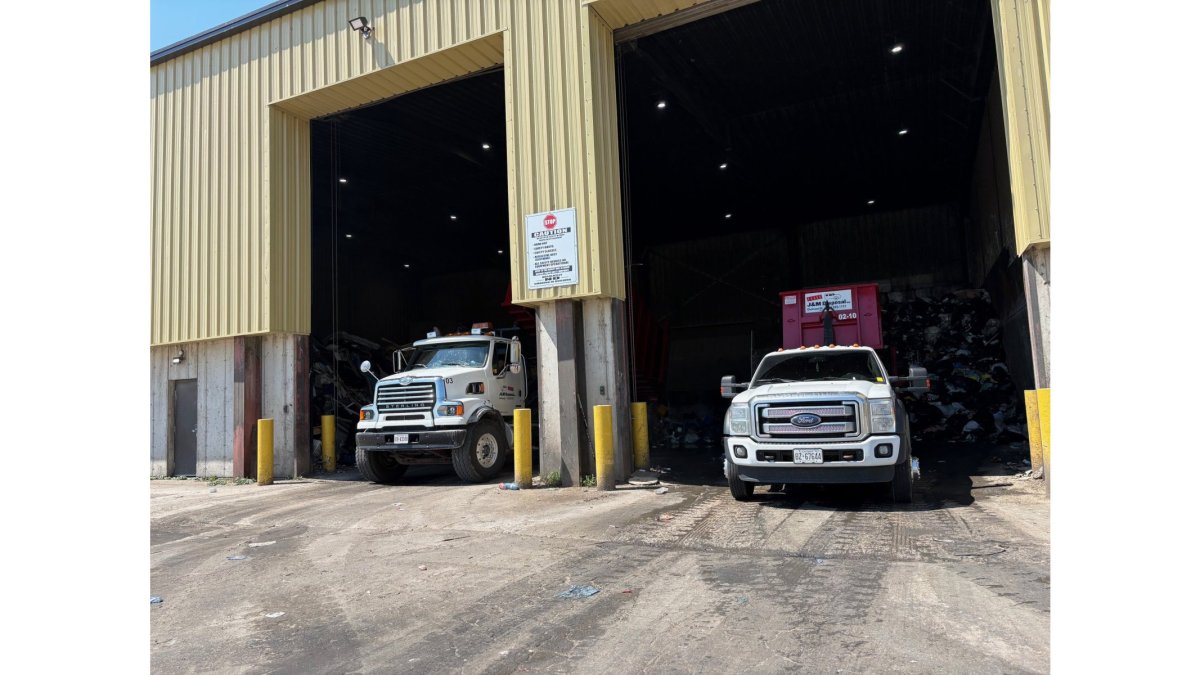
A typical roll-off bin rental includes delivery, placement, a set rental period, pickup and disposal of the contents at a licensed facility. Many providers also quote a weight allowance, because disposal is usually billed by weight once the bin is taken away. J&M Disposal Inc. handles delivery and pickup for residential and commercial projects, so you can focus on the work rather than the logistics. Our Waste Disposal service is available for debris disposal needs.
Waste hauling rules can vary by location, so the rules on what can go in a bin and where it can be disposed of depend on where your project sits.
Dumpster Rental Sizes: Matching a Bin to Your Project
Bin size is the first decision that affects both your budget and whether the job fits on one pickup. Roll-off bins are measured in cubic yards, and sizes commonly range from small residential units to large commercial containers. J&M Disposal Inc. offers bins in 5, 10, 15, 20, 22 and 40 yard sizes.
A common mistake is ordering too small and paying for a second pickup. Estimate your volume by measuring the length, width and height of the debris pile, then compare that figure with the bin's capacity. When you are unsure, a size up is usually cheaper than a second haul.
Residential Cleanouts and Renovations
For homeowners, the usual projects are kitchen or bathroom renovations, roof tear-offs, garage cleanouts and estate clearances. Smaller bins suit a single room of demolition or a yard cleanup, while a 20 or 40 yard bin fits a whole-house project. If the job includes heavy materials like concrete, keep the bin size modest, because weight limits can add cost quickly.
Commercial, Construction and Jobsite Projects
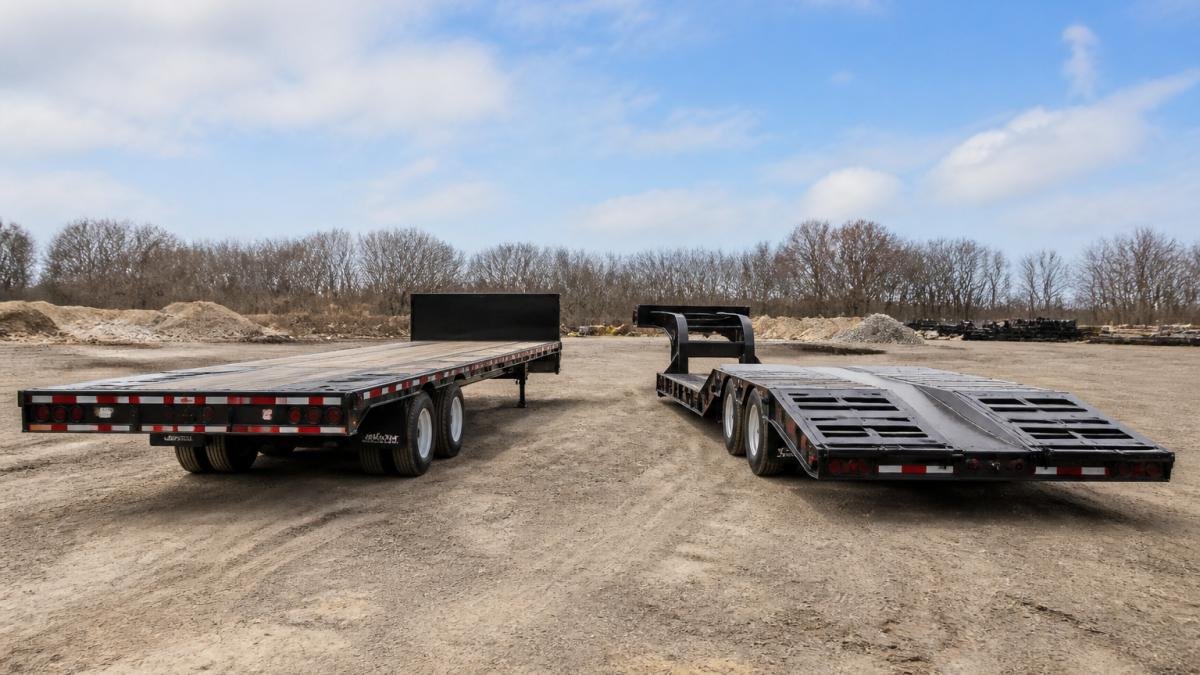
Contractors usually need larger capacity and a bin that can stay on site for the full job. Construction debris such as lumber, drywall and metal scrap fills containers fast, so a 40 yard bin is often the practical choice for a major build. Where the site has tight access, confirm the placement space and the truck's approach before delivery day. Projects that need to move heavy machinery around the site can also use our Equipment moving service.
The article lists the bin sizes J&M Disposal Inc. offers, so the table below summarises them alongside the project each size suits.
Bin size | Best for | Note |
5 yard | Small residential cleanups | Lowest base rate |
10 yard | Single-room demolition or yard cleanup | Fits modest renovation debris |
15 yard | Mid-size residential projects | Balance of capacity and cost |
20 yard | Whole-house renovation | Common residential choice |
22 yard | Larger renovation and construction | Extra capacity over 20 yard |
40 yard | Major construction and commercial jobs | Largest capacity for big builds |
Roll-Off Bin Rental Cost: What Drives the Price and Where Hidden Fees Come From
A roll-off bin rental is priced as a bundle of line items, and the only way to compare providers fairly is to see each line item separately.
1. Base rental and bin size. The base rate covers the container and the included rental period.
**2.
3. Included weight allowance. Disposal is often billed by weight at the receiving facility, so quotes may include a tonnage allowance and an overage rate per extra tonne.
4. Landfill or disposal charges. The tipping fee at the licensed facility is either built into the base rate or passed through.
5. Taxes. Applicable sales taxes are typically added to rental and disposal charges. A quote that shows a pre-tax subtotal is not the amount you will pay; ask for the tax-inclusive total.
6. Overage and extension fees. Two charges catch renters most often: weight overage (per extra tonne) and rental extension (per extra day). Both should be stated in writing before delivery.
7. Permits and placement. If the bin sits on a public street or boulevard rather than private property, a municipal permit may be required, and the fee and process are set locally.
8. Prohibited-material and re-haul charges. A load containing restricted items can be rejected or surcharged, and a rejected load may trigger a second haul at full price. Confirm the prohibited list before you load.
To compare providers apples-to-apples, build a simple worksheet with one row per line item above and one column per provider, then request a quote for the same bin size, rental period and material type from each. For a dedicated guide to spotting and avoiding hidden fees before you book, read on.
Watch out: a quote that lists only a single flat price, with no weight allowance, overage rate or tax line, can produce a surprise invoice after pickup.
What Can You Put in a Roll-Off Bin and What Stays Out
Many providers accept general household and construction debris, but some materials are prohibited or require separate handling. Hazardous waste such as paint, solvents, batteries, propane tanks and asbestos-containing materials generally cannot go in a standard roll-off bin.
Ask your provider for their full list of accepted and prohibited items before loading. Knowing the rules in advance prevents a rejected load and a costly re-haul.
How to Load a Construction Dumpster Efficiently
Good loading makes the most of the bin's capacity and keeps the pickup safe. Start with the largest, flattest items along the floor, then fill the gaps with smaller pieces. Breaking down furniture and flattening cardboard or lumber can recover a surprising amount of space.

Keep heavy materials low and spread them across the bin so the load stays balanced. Avoid stacking debris above the sides, since loads that overhang the edge can be refused at pickup. Separate any restricted materials before they go in, rather than trying to remove them later. A detailed step-by-step process for packing is available in our guide on how to load a construction dumpster efficiently.
How to Compare Providers Side by Side: Delivery, Terms and Service Guarantees
A checklist is only useful if every provider is scored on the same criteria. The comparison below standardizes the dimensions that actually change your total cost and your experience, so you can line up two or three quotes and see the real differences rather than comparing marketing copy.
The comparison dimensions
Coverage and service area: Confirm the provider delivers to your address and whether outlying areas carry a distance surcharge.
Bin sizes offered: Note the full size range, not just the size you think you need, so you can size up without changing providers.
Included rental period: Record the number of days included before daily extension charges begin.
Delivery and pickup windows: Ask whether windows are same-day, next-day or scheduled, and whether placement is curbside or in-driveway.
Weight allowance and overage rate: Capture the included tonnage and the per-tonne overage charge.
Accepted and prohibited materials: Get the written list, especially for heavy materials and restricted items.
Cancellation and rescheduling policy: Ask what notice is required and whether a fee applies.
Missed-pickup and service guarantee: Ask how the provider handles a missed pickup or a delayed delivery, and whether any credit applies.
Tax-inclusive total: Request the all-in figure, not the pre-tax subtotal.
How to run the comparison
Request a quote from each provider for the identical scenario: same bin size, same rental period, same material type and same delivery date. Put the answers into a table with one column per provider and one row per dimension above. Where a provider will not answer a row in writing, treat that as a data point in itself.
Rental terms and service guarantees to pin down
Rental terms vary more than the headline rate suggests. Confirm the included period in days, the daily extension rate, the notice required to schedule pickup, and the policy for loads that exceed the weight allowance or the fill line. On service guarantees, ask specifically what happens if a pickup is missed or a delivery is delayed.
Placement and permit planning
Placement affects both safety and cost. Confirm the truck's approach and overhead clearance, keep the bin on private property where possible, and if it must sit on a public street or boulevard, check the municipal permit requirements before delivery, since the fee and process are set locally.
Watch out: a provider that quotes a low rate but will not state its weight allowance, extension rate or missed-pickup policy in writing is the one most likely to cost more than the quote suggests.
Booking Your Bin With J&M Disposal Inc. and Getting a Quote
Booking with J&M Disposal Inc. starts with a quote. For a step-by-step walkthrough of the rental process from booking to pickup, see how the rental process works. Tell us the size of your project, the materials you plan to load, the placement location and your preferred delivery date. For current pricing details, visit the J&M Disposal Inc. pricing page. If your project needs a bin placed on public property, check the local permit requirements before delivery, since municipalities set their own rules. Our Ontario bin rental permit guide explains what to expect for each step. For Hook lift bin rentals, which suit heavier or higher-volume hauling, ask our team whether that option fits your schedule.
Our team is locally owned and operated and works with homeowners, contractors and agricultural operators in the local service area. Whether you need a single bin for a cleanout or a sequence of pickups for a build, call J&M Disposal Inc. to request a quote and confirm your delivery date.
Frequently Asked Questions
How do I choose the right roll-off bin rental service?
Start by confirming the provider serves your exact address and can deliver on the day you need it. Ask for a written quote that lists the base rental period, daily overage charges, weight limits and disposal fees, so you can compare providers on the same terms. Check whether they offer the bin size you need, how they handle late pickups, and whether they can help with flat deck or equipment transport if your project requires it.
What size roll-off bin do I need for a renovation?
Most kitchen or bathroom renovations fit comfortably in a 10 or 15 yard bin, while a whole-house gut job or large deck removal usually calls for a 20 or 22 yard bin. Estimate volume by picturing the material stacked in the bin, and remember that dense items like concrete, brick and soil weigh far more than their volume suggests, so they may need a smaller bin with a weight-based price. If you are unsure, describe the project to the provider and ask which size they recommend.
How can I avoid extra fees when renting a roll-off bin?
The most common extra charges come from overweight loads, keeping the bin past the rental period, and adding prohibited materials. Confirm the included weight allowance and the per-tonne charge beyond it before you order, and ask what happens if you need more time. Keep the bin from being filled above the rim, separate out restricted items such as tires, paint and appliances with refrigerants, and schedule pickup as soon as you finish loading. Get all of these terms in writing on your quote.
Do I need a permit to place a roll-off bin?
If the bin will sit on a public road or sidewalk, you will usually need a permit from your municipality, and placement rules often cover distance from driveways, lighting and reflective markers. Bins placed fully on private property generally do not need a permit, but check local bylaws and any homeowners association rules.
Comments