
How to Dispose of Garbage at Home: A Step-by-Step Guide
Table of Contents
Last Updated: October 17, 2026
Understanding Your Local Garbage Collection Rules
Before you sort a single piece of trash, you need to know what your municipality accepts. Rules vary widely depending on where you live. Some areas accept all plastics. Others take only certain types.
Check your municipality's website first. Look for a waste management or public works section. Most municipalities publish collection schedules, accepted materials lists, and special disposal instructions. You can also call your local waste department directly.
Pay attention to these key details:
Collection day and time for each waste stream
What materials go in each bin
Size limits for items
Whether hazardous waste requires special handling
Holiday schedule changes
At J&M Disposal Inc., we work with local rules every day. We know that what's accepted in one area might be banned in another. Understanding your specific rules prevents contamination, missed pickups, and fines.
How to Dispose of Garbage at Home: The Sorting System
The best way to dispose of garbage at home is to sort it into three streams: garbage, recycling, and compost. This system keeps waste out of landfills and makes collection easier for your municipality.

Separating garbage, recycling, and compost
Start by identifying what you have. Garbage is anything that cannot be recycled or composted. Recycling includes paper, cardboard, metals, and accepted plastics. Compost is food scraps, yard waste, and organic materials.
Place a garbage bin in your kitchen. Use a smaller container for recycling nearby. If your municipality offers compost collection, add a third bin for food waste and yard trimmings. Label each bin clearly so everyone in your household knows what goes where.
The sorting process takes seconds once you build the habit:
Food scraps go to compost
Cardboard and paper go to recycling
Plastic bottles and cans go to recycling (if accepted locally)
Everything else goes to garbage
Preventing contamination in your bins
Contamination happens when the wrong items end up in the wrong bin. A plastic bag inside your recycling bin can jam sorting equipment. Food residue on packaging can ruin an entire load of recyclables. Wet cardboard breaks down and contaminates other materials.
Follow these steps to prevent contamination:
Rinse food containers before recycling them
Remove plastic bags from recycling bins
Keep moisture out of all bins
Do not put hazardous materials in any standard bin
Check your municipality's accepted materials list before adding anything
Your municipality's sorting rules matter more than general best practices. What one area accepts, another may reject. When in doubt, check the official list or call ahead.
How to Dispose of Kitchen Waste at Home
Kitchen waste includes food scraps, cooking oils, and food packaging. Some items require special handling.
Food scraps are the largest part of kitchen waste. Fruit peels, vegetable trimmings, meat bones, and leftover food all belong in compost.
Keep a small container on your counter for daily food scraps. Empty it into your compost bin before it smells or attracts pests.
Cooking oils and fats need separate disposal. Never pour them down the drain. They harden in pipes and cause blockages.
Food packaging goes to recycling if it's clean. Cardboard takeout boxes, plastic food containers, and metal cans all recycle. Rinse them first to prevent contamination.
Household Hazardous Waste Disposal
Hazardous waste includes batteries, electronics, paint, chemicals, and sharps. These items cannot go in standard garbage, recycling, or compost bins. They require special disposal to protect the environment, collection workers, and sorting equipment. The practical rule is simple: if an item is flammable, corrosive, reactive, toxic, pressurized, or sharp, treat it as special waste until you confirm otherwise with your municipality.
A useful first step is to check the product label for signal words such as "poison," "corrosive," "flammable," or "warning." Then check your municipality's waste management or public works page for a hazardous waste depot, collection event, or retailer take-back program.
Batteries, electronics, and paint
Batteries contain metals and electrolytes that can spark fires in collection trucks and sorting facilities when punctured or crushed. Never throw them in garbage or recycling.
Electronics like phones, computers, and televisions contain valuable materials and hazardous substances. Throwing them away wastes resources and pollutes the environment. Many electronics retailers offer free recycling when you buy new equipment, and some manufacturers run mail-back programs. Your municipality may also host e-waste collection days or maintain a permanent depot.
Paint disposal depends on whether the can is full or nearly empty. If it still contains usable paint, donate it to schools, community centers, or nonprofits that accept paint.
Sharps, chemicals, and sealed containers
Sharps include needles, razors, broken glass, and lancets. Place them in a rigid, sealed container labeled "Sharps", a dedicated sharps container or a thick plastic container with a screw-top lid works.
Chemicals include pesticides, herbicides, cleaning products, pool chemicals, and automotive fluids. Check the product label for disposal instructions. Many can go in garbage only if they are solid or nearly empty and the label says so; liquids and full containers need hazardous waste disposal.
Sealed containers like propane tanks, refrigerant canisters, and pressurized aerosols are dangerous if crushed or burned. Take them to a hazardous waste facility or a retailer that accepts them.
Watch Out Do not put hazardous waste in any curbside bin, even in small amounts. A single battery, aerosol can, or container of solvent can damage collection equipment, injure workers, or contaminate an entire load of recyclables.
Pro Tip Keep a labeled "special waste" box in a cool, dry, locked location for batteries, bulbs, and small chemicals until you can take them to a depot or retailer. This prevents the common mistake of tossing them in the kitchen garbage out of convenience.
Bulky Item Disposal Options
Bulky items include furniture, appliances, mattresses, and large yard waste. These items do not fit in standard bins and require special handling.
Donation and reuse before disposal
Before throwing anything away, consider donating it. Furniture in good condition can go to thrift stores, charities, or online resale platforms. Appliances that still work can be donated to nonprofits that help low-income families.
Reuse saves money and keeps items out of landfills. Post unwanted items on Facebook Marketplace, Kijiji, or Craigslist. Someone nearby might want your old couch, dresser, or exercise equipment. You might even make a few dollars.
If donation is not an option, check whether your municipality offers bulky item pickup. Many areas schedule special collection days for large items. You simply leave them at the curb on the designated date.
Drop-off locations and transfer stations
Transfer stations accept bulky items, construction debris, and yard waste. They charge a fee based on weight or volume. Fees vary by municipality and item type. Some stations charge per bag, others per ton.
Bring your items to the transfer station during operating hours. Staff will direct you to the correct area for your waste type. Separate items by category: wood, metal, drywall, yard waste. This sorting helps the facility process materials efficiently.
Many transfer stations also accept hazardous waste, electronics, and other special items. Call ahead to confirm what they take and current fees.
Residential Dumpster Rental Alternatives
For major renovations, cleanouts, or construction projects, renting a bin makes sense. Dumpster rental provides a convenient place to throw debris without multiple trips to the transfer station.
Roll-off bins for major renovations and cleanouts
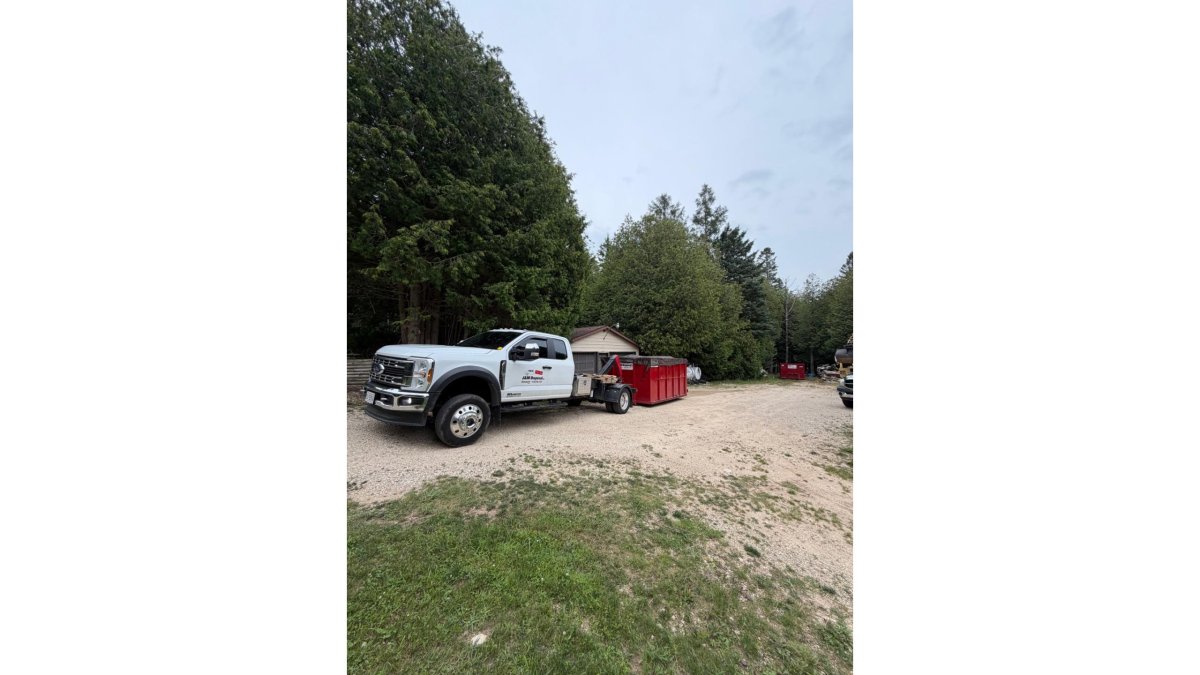
Roll-off bins are large containers delivered to your property. You fill them at your pace. When full, we pick them up and haul the contents away. Bin sizes range from 5 to 40 yards depending on your project size.
J&M Disposal Inc. provides roll-off bins in a range of sizes to fit your exact needs. We deliver quickly, pick up on schedule, and handle responsible waste disposal.
Rental duration is flexible. Pricing depends on bin size, rental length, and local disposal fees. Check our pricing page for current rates and to request a quote.
Curbside pickup and municipal collection services
Many municipalities offer curbside pickup for bulky items. You schedule a pickup, set items at the curb, and they're collected on your chosen date. This service is often free or low-cost for residents.
Standard garbage collection also works for smaller items. If something fits in your bin and doesn't exceed weight limits, it can go out with regular pickup. Check your municipality's guidelines for size and weight restrictions.
For ongoing waste management, standard curbside collection is the most affordable option. For large, one-time cleanouts, renting a bin often saves time and money compared to multiple curbside pickups.
Preparing Your Waste for Collection
Proper preparation prevents missed pickups and keeps collection workers safe.
Place all bins at the curb by the scheduled pickup time.
For recycling bins, make sure items are clean and dry. Rinse containers to remove food residue. Flatten cardboard boxes to save space.
For garbage bins, tie bags securely so they don't leak. Do not throw hazardous materials in garbage bins.
For compost bins, keep the lid sealed between collections. If the bin smells, add more dry material like leaves or shredded paper.
After pickup, bring empty bins back to your property within 24 hours. Bins left at the curb can block traffic and drainage.
Reducing Waste Before Disposal
The best waste to dispose of is waste you never create. Reducing consumption cuts disposal costs and environmental impact.
Buy only what you need. Plan meals before shopping to avoid food waste. Choose products with minimal packaging.
Reuse containers and bags. Glass jars work for storage. Cloth bags replace single-use plastic bags.
Repair items instead of replacing them. Shoes can be resoled. Clothing can be mended. Small appliances often have simple fixes.
Compost yard waste instead of bagging it. Leaves and grass clippings break down into nutrient-rich soil amendment.
Share or donate items you no longer use. A friend might need your old bicycle or books.
Frequently Asked Questions
How do I know what goes in garbage versus recycling at my local municipality?
Contact your local municipality's waste management department or check their website for a collection schedule and accepted materials list. Most municipalities provide guides showing what belongs in each bin. Rules vary by location, so verify your specific guidelines before sorting. Some areas accept certain plastics others don't, and contamination can spoil entire recycling batches. When in doubt, ask your municipality rather than guess, proper sorting keeps disposal costs down and protects the environment.
What's the best way to dispose of kitchen waste at home without a garbage disposal?
Separate food scraps into your municipal compost bin if available, or store them in a sealed container in your freezer to reduce odors until collection day. Meat, dairy, and oils should go in the garbage rather than compost. Consider starting a backyard compost pile for yard waste and certain food scraps. For apartment dwellers without compost access, wrap food waste in newspaper before placing it in the garbage to minimize smell and pest attraction. Check with your building management about composting programs.
How should I handle hazardous household waste like paint, batteries, and chemicals?
Never mix hazardous waste with regular garbage or recycling. Most municipalities operate hazardous waste collection events or permanent drop-off locations. Store batteries, paint, cleaning products, and pesticides in their original sealed containers in a cool, dry place away from children and pets. Check your municipality's website for hazardous waste disposal dates and locations. Many retailers that sell paint, batteries, or chemicals also accept them back for proper disposal. Improper disposal of hazardous materials can contaminate soil and water.
What disposal options work best for bulky items like furniture or appliances?
Check if your municipality offers bulky item pickup on specific collection days, many do at no extra cost. Alternatively, donate usable furniture and appliances to local charities, thrift stores, or community groups before considering disposal. For items beyond repair, transfer stations accept bulky waste for a small fee. For major renovations or large-scale cleanouts, roll-off bin rental provides a convenient single-pickup solution. Contact your local waste management service to confirm which bulky items they accept and any size or weight restrictions.
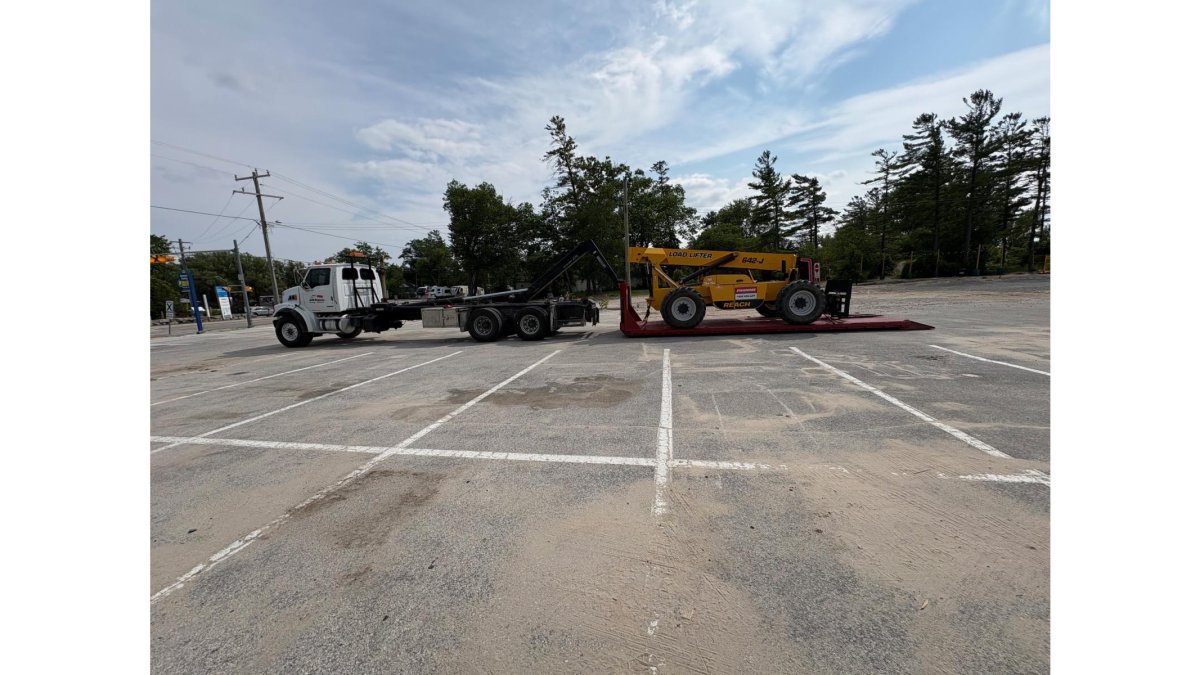
Disposing of garbage properly protects your community and the environment. Start by understanding your local rules, then sort waste into the right streams. For large projects, J&M Disposal Inc. provides roll-off bins and specialized transport services that make cleanup easier. Our team handles responsible disposal so you can focus on your project. Call now for a quote on bin rental or equipment transport.

Comments