
How to Load a Construction Dumpster Efficiently
Table of Contents
Last Updated: September 20, 2026
What You'll Need Before You Start Loading
A roll-off dumpster is a heavy-duty open-top waste container delivered by truck and hauled away when full. Loading one well starts before the first board goes in.
Gloves and steel-toe boots for everyone handling debris
A pry bar and hammer for breaking down furniture and cabinets
A wheelbarrow or hand truck for heavy, awkward items
Tarps and tie-downs for covering the load at the end
A quick check of your bin size against what you plan to throw out
Construction Dumpster Weight Limits and Load Capacity Explained
Every roll-off bin has two limits: a volume limit (cubic yards) and a weight limit (tonnes). The volume limit is what you see. The weight limit is what actually decides your bill.
How to Estimate the Weight of Common Construction Debris
You don't need a scale to avoid an overweight bin. You need a rough sense of density. Here's how common materials compare by weight per cubic yard:
Material | Approximate Weight per Cubic Yard | Loading Implication |
Concrete, brick, dirt | 1,500-2,500 lb | Very heavy; a few wheelbarrows can max out a small bin |
Roofing shingles | 1,000-1,500 lb | Heavy; keep loads shallow and spread out |
Drywall | 500-800 lb | Moderate; fills space fast but adds up |
Lumber and wood | 300-500 lb | Light; good for layering |
Cardboard and plastic wrap | 50-150 lb | Very light; use to fill gaps |
What Happens If You Overload Your Bin
An overweight bin can be refused at the disposal site. The truck brings it back, and you get billed for the trip anyway. That's the first cost.
Watch Out Never load above the fill line painted on the bin's side. Loads above that line can't be legally transported and will be rejected on pickup. The fill line and the weight limit are separate limits; you can be under the fill line and still over the weight limit.
How to Stay Under the Weight Limit
Weigh your heaviest material first. If you're demolishing a concrete pad, estimate the tonnage before you order the bin. A cubic yard of broken concrete weighs roughly 1.5 to 2 tonnes.
Separate heavy and light debris. If your project produces both concrete and cardboard, consider two bins or a dedicated heavy-material bin.
Stop adding heavy material early. Fill the bottom third with heavy debris, then switch to lighter material for the top two-thirds.
Ask about the allowance before delivery. The weight allowance is the one number that determines whether you pay a flat rate or an overage fee.
Weight is where most surprise fees come from. If you're unsure, ask about your bin's limit before you load, not after.
Prohibited Items for Roll-Off Bins: What You Cannot Throw Away
Some items can't go in a standard roll-off bin, no matter the size. These are banned because they're hazardous, and mixing them in can get your whole load rejected.
Common prohibited items include:
Paint, solvents, and other liquid chemicals
Tires, motor oil, and automotive fluids
Batteries of any kind
Asbestos and asbestos-containing materials
Propane tanks and other pressurized containers
Medical waste and animal carcasses
Electronics in some cases, depending on local rules
How to Pack a Dumpster to Save Space
Smart packing means using every cubic yard without going over the weight limit. The trick is stacking and breaking down items, not just tossing them in.
Here's how to pack a dumpster to save space:
Break furniture and cabinets into flat pieces
Remove doors and drawers to stack them tight
Nest smaller items inside larger ones
Fill gaps around bulky items with small debris
Keep the load level as you go
Breaking Down Bulky Items and Stacking Techniques
Bulky items waste space when they go in whole. A couch takes up a third of a small bin on its own. Broken down, the same couch fits in a fraction of that space.
Pro Tip Save a few flexible items, like old carpet or cardboard, to wedge into gaps at the end. They fill the empty pockets and stop the load from shifting.
Step-by-Step: How to Load a Construction Dumpster Efficiently
Loading a construction dumpster efficiently means heavy items go in first, weight stays spread out, and the load never rises above the fill line. But the sequence changes depending on what you're throwing out. Here's the general order, followed by how to adapt it for specific materials.

Place the heaviest items first. Put concrete, brick, and dirt on the floor of the bin, spread across the whole base. This lowers the center of gravity and keeps the bin stable during transport.
Distribute weight evenly. Never pile all the heavy material in one corner. An uneven load can tip or damage the bin. Aim for a roughly level base before you add anything else.
Break down large items. Flatten furniture, crush boxes, and cut long lumber to fit. A couch broken into flat panels takes up a fraction of the space it does whole.
Layer the load. Alternate heavy and light debris so the weight stays balanced. Think of it as building a sandwich: heavy layer, light layer, heavy layer.
Keep it level. Stop stacking once the load reaches the fill line. Don't crown the load in the middle.
Leave room for the tarp. You need a few inches of clearance to cover the load.
Tarp and secure it. Cover the bin and tie down the tarp before pickup.
Material-Specific Loading Strategies
Different debris needs different handling. The physics change with density, shape, and how the material fails under pressure.
Material | Where It Goes | Watch Out For |
Concrete and brick | Bottom, spread out | Very heavy; keep loads small |
Roofing shingles | Shallow, even layers | Interlock and hide air pockets |
Drywall | Middle layer | Heavy in bulk; don't fill the whole bin |
Lumber | Anywhere, cut to size | Long pieces can jam the bin |
Metal scraps | Bottom or middle | Sharp edges; wear gloves |
Appliances | Broken down first | Remove doors and fluids |
Furniture | Flattened and stacked | Bulky until broken down |
Pro Tip If you're loading a mixed load, think in thirds: heavy material in the bottom third, medium material in the middle third, light material on top. This keeps the center of gravity low and makes the load easier to tarp.
Tools That Make Loading Faster and Safer
The right tools cut loading time and lower the risk of injury. You don't need much, but a few basics make a real difference.
A hand truck or dolly for appliances and heavy boxes
A pry bar for pulling apart nailed lumber and cabinets
A sledgehammer for breaking up concrete and drywall
A wheelbarrow for moving loose debris to the bin
Work gloves and safety glasses for everyone on the crew
Common Mistakes That Lead to Overage Fees and Rejected Loads
Most extra charges come from a handful of avoidable mistakes. Fix these and you'll rarely see an overage fee.
Overfilling above the fill line. The load can't be hauled and gets rejected.
Hiding heavy material under light debris. The bin still weighs too much, and you pay the overage.
Mixing banned items into the load. The whole bin can be refused at the site.
Loading one side heavy. An unbalanced bin can tip or damage the truck.
Forgetting to tarp the load. Loose debris can blow out during transport.
Key Takeaway The two numbers that decide your cost are the fill line and the weight limit. Respect both, and you avoid almost every overage fee.
Frequently Asked Questions
How high can I fill a construction dumpster safely?
Never load above the fill line painted inside the bin. Debris that extends past the top can shift during transport and fall onto the road, which puts your driver and other motorists at risk. Most haulers require the load to sit level with or below the rim, and many will tarp the bin before transport. If your debris is piling above the sides, the bin is already too full and you should schedule an early pickup or order a second unit.
What happens if I overload my dumpster rental?
Overloaded bins are a safety hazard and most haulers will refuse to transport them until the load is reduced. If the truck can lift the bin but the weight exceeds the included tonnage, you may be charged an overage fee per additional tonne. To avoid this, know the dumpster weight limits for your bin size before you start, spread heavy materials like concrete and dirt across multiple loads, and keep lighter items such as drywall and insulation toward the top of the bin.
Which items are prohibited from being placed in a construction dumpster?
Prohibited items for roll-off bins typically include hazardous materials such as paint, solvents, motor oil, asbestos, propane tanks, tires, batteries, and electronics. These require separate disposal through a licensed facility. Appliances containing refrigerant also need special handling. If you are unsure whether something can go in the bin, ask your hauler before you throw it in. Mixing prohibited items with general construction debris can result in the entire load being rejected at the disposal site.
How do I maximize space when packing a dumpster?
Start by breaking down large items like furniture, pallets, and cabinets. Place flat materials such as plywood and drywall along the walls and floor to create a base. Fill gaps with smaller debris rather than leaving empty pockets. Stack items tightly and work from the back of the bin toward the door. This approach to how to pack a dumpster to save space reduces the number of hauls you need and keeps the load stable during transport.
Loading a construction dumpster well comes down to planning and a little patience. Heavy items first, weight spread evenly, and nothing above the fill line.
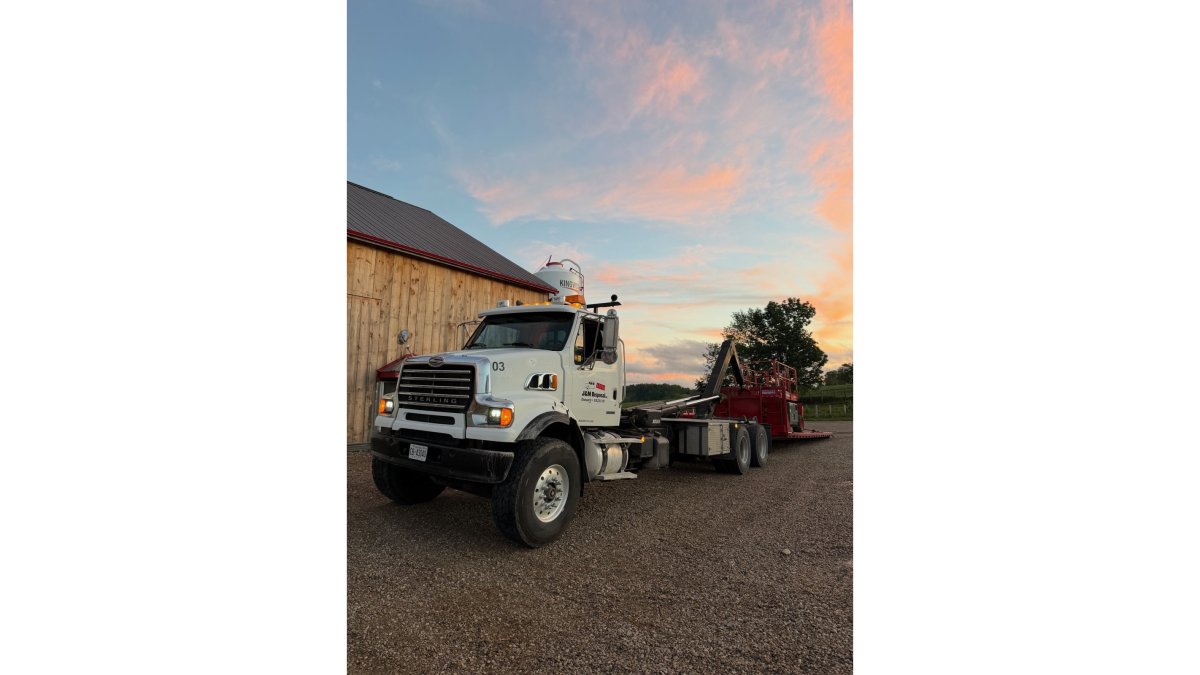
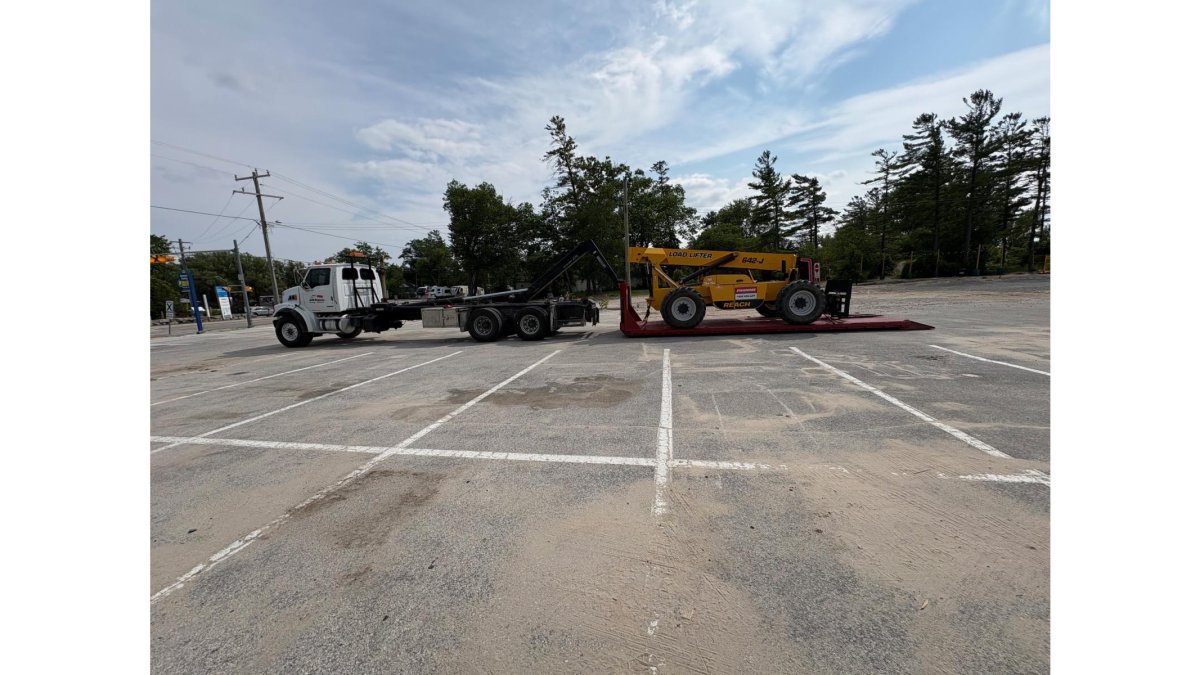
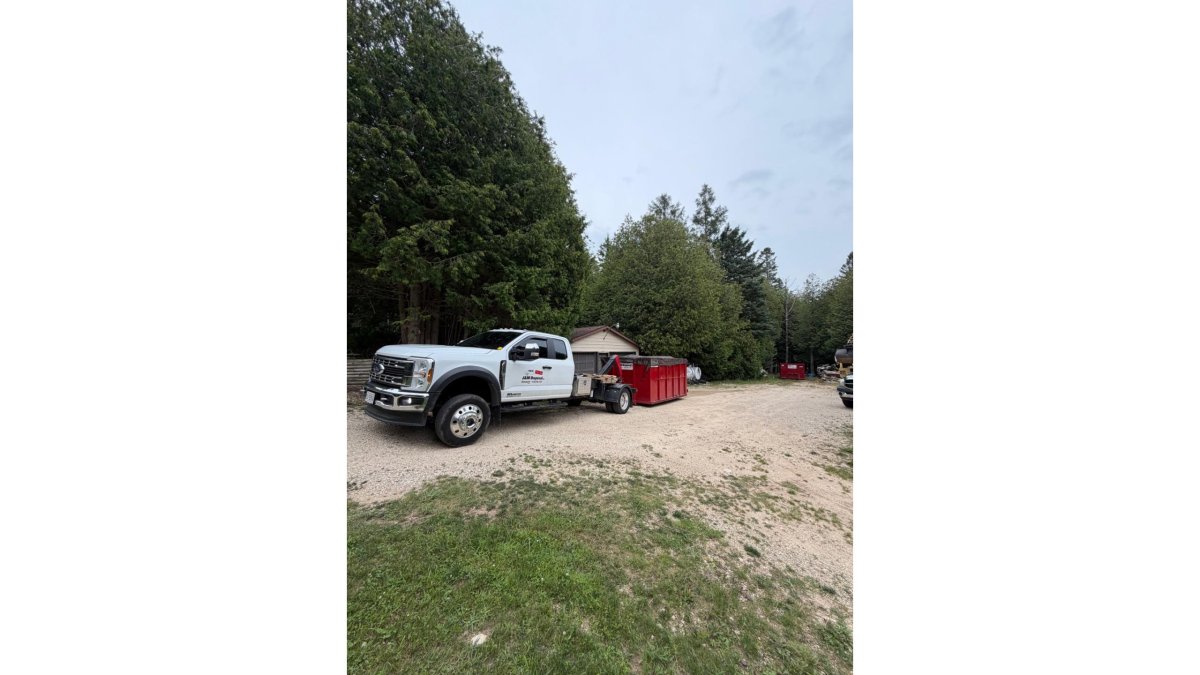
If you'd rather not think about bin sizes and weight limits on your own, J&M Disposal Inc. can help. We offer roll-off bins from 5 to 40 yards, flat deck and float services for oversized equipment, and a local team that shows up when we say we will. Call now to get started with J&M Disposal Inc. and keep your project moving.
Comments