
How to Make Construction Waste Recycling Worth It
Last Updated: November 9, 2026
Quick Summary
Yes, construction waste recycling is usually worth it for small projects when you separate high-value streams like scrap metal and clean concrete and keep contamination out. It stops paying off when mixed debris, surprise bin fees, or a fouled load erase the savings. Run the numbers before the bin arrives.
Separate one high-value stream and keep everything else mixed on small jobs.
Clean concrete and scrap metal carry real value; soggy drywall carries none.
The break-even point is where extra bin and sorting costs beat avoided tipping plus resale.
One treated board in a clean wood pile can downgrade the whole load.
A one-page waste plan lists streams, bins, and who checks them daily.
Not sure which bin size your reno needs?
We match roll-off bins from 5 to 40 yards to your job and handle drop-off and pickup.
Table of Contents
The Real Math Behind Construction Waste Recycling on Small Jobs
Which Materials Pay Off: A Recyclable Construction Materials List
What the Cost of Bin Rental for Construction Waste Really Includes
Contamination Risks That Quietly Kill Your Recycling Savings
Building a Construction Waste Management Plan Template for a Small Job
DIY vs. Professional Hauling: Small-Project Logistics That Actually Work
The Real Math Behind Construction Waste Recycling on Small Jobs
Here is the short answer: construction waste recycling pays off on small projects when you separate the high-value streams and keep contamination out of them. When it doesn't pay off, it's almost always because mixed debris, surprise bin fees, or a fouled load erased the savings. Renovation sites across the region often show this same pattern.
So is construction waste recycling worth it for small projects? Usually yes, but only if you run the numbers before the bin arrives. Below, we'll show you exactly how to do that math, which materials actually pay, and where the hidden costs hide.
A Simple Decision Framework for Small Projects
Most guidance on construction waste recycling is written for enterprise-scale jobs with dedicated waste managers. Small projects need a faster test. Run your job through these four questions before you book anything:
Is any single stream more than about a truck-bed load? If yes, separating it usually beats tipping it as mixed debris. If every stream is a few bags, mixed disposal is often cheaper than the extra bins and sorting time.
Does the material have a buyer or a free drop-off nearby? Scrap metal and clean concrete almost always do. Drywall and treated wood usually don't for small volumes.
Can you keep the stream clean? A clean load only saves money if it stays clean. If your site is tight and trades are tossing everything together, plan for mixed.
What is your time worth? Sorting and extra trips are real costs. A two-bin setup that adds half a day of labor can wipe out the tipping savings on a small bathroom gut.
A common pattern among small contractors: if the answer to question one is no and question two is no, go mixed and stop worrying about it. If either is yes, separate that one stream and keep everything else mixed. You rarely need three bins on a small job.
Where the Savings Actually Come From
Two buckets drive the savings. The first is avoided disposal cost: every kilogram you divert from a mixed load is weight you don't pay to tip. The second is resale or reuse value, which only exists for clean, sorted material.
Lower tipping weight on mixed loads
Clean loads that avoid contamination surcharges
Scrap metal that can be sold outright
Reusable structural material saved from demolition
A common mistake is assuming all recycling saves the same amount. It doesn't. Clean concrete and scrap metal carry real value. Soggy drywall mixed with plastic wrap carries none.
You can see how disposal pricing actually breaks down in what drives commercial debris removal pricing before you commit to a bin size.
The Break-Even Rule of Thumb
Most practitioners find the break-even point sits where the extra bin, delivery, and sorting labor cost less than the tipping you avoid plus any resale value. On a small job, that usually means one separated high-value stream, not a full sorting system. If you can't name the stream that pays for the second bin, you probably don't need it.
Which Materials Pay Off: A Recyclable Construction Materials List
Not every material belongs in the same stream. Here's how a practical recyclable construction materials list breaks down for small jobs.
High-Value Streams: Scrap Metal, Concrete, and Clean Wood
These three are your money-makers.
Scrap metal: Old railings, ductwork, and rebar. Often accepted at scrap yards for a small payment.
Clean concrete: Crushed into aggregate for new base material. Keep it free of rebar and dirt.
Clean wood offcuts: Untreated lumber can be chipped or reused. Treated wood cannot.
Low-Value and Problem Streams: Drywall, Treated Wood, and Hazardous Materials
Some materials cost you more to sort than they save.
Drywall: Recyclable only when clean and dry. Wet or painted drywall is a problem.
Treated wood: Contains chemicals and cannot go in clean wood streams.
Hazardous materials: Paint, solvents, and asbestos need special handling. Never put these in any bin.
Watch out: putting one treated board in a clean wood pile can downgrade the whole load.
What the Cost of Bin Rental for Construction Waste Really Includes
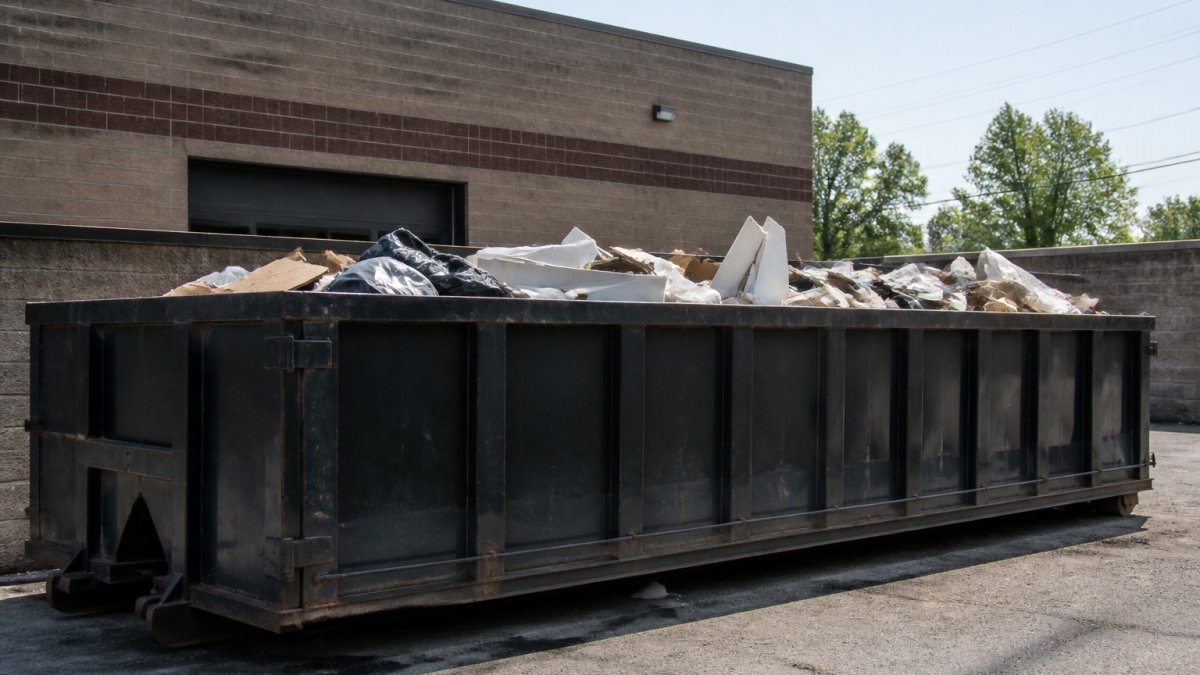
The cost of bin rental for construction waste is rarely just the drop-off and pickup fee. It usually bundles delivery, the rental period, the base weight allowance, and the tipping charge for what's inside.
The hidden extras are where budgets break:
Overage fees when you exceed the included weight
Contamination charges for mixed or fouled loads
Extra rental days past the agreed window
Permit costs if the bin sits on a road or sidewalk
Ask for the total, not the headline. Our team quotes the full picture up front, and you can see the breakdowns behind the hidden costs of dumpster rental for renovation so nothing catches you off guard.
Source Separation vs. Mixed Debris: Which Bin Setup Wins
Source separation wins on value, but mixed debris wins on convenience. The right choice depends on your job size and timeline.
For a small reno, a two-bin setup often beats one big mixed bin:
Setup | Best For | Trade-off |
Single mixed bin | Fast cleanouts, tight sites | Higher tipping, no resale value |
Two bins (clean + mixed) | Renos with metal or concrete | More sorting effort |
Three bins (wood, metal, rubble) | Larger jobs, resale focus | Needs space and planning |
If you're sorting on site, load the clean streams first and keep them covered. Our guide on how to load a construction dumpster efficiently walks through the practical order.
Contamination Risks That Quietly Kill Your Recycling Savings
A single greasy pizza box or a coil of plastic wrap can turn a clean load into a mixed one. That's where small projects lose money fastest.

How a Load Gets Rejected
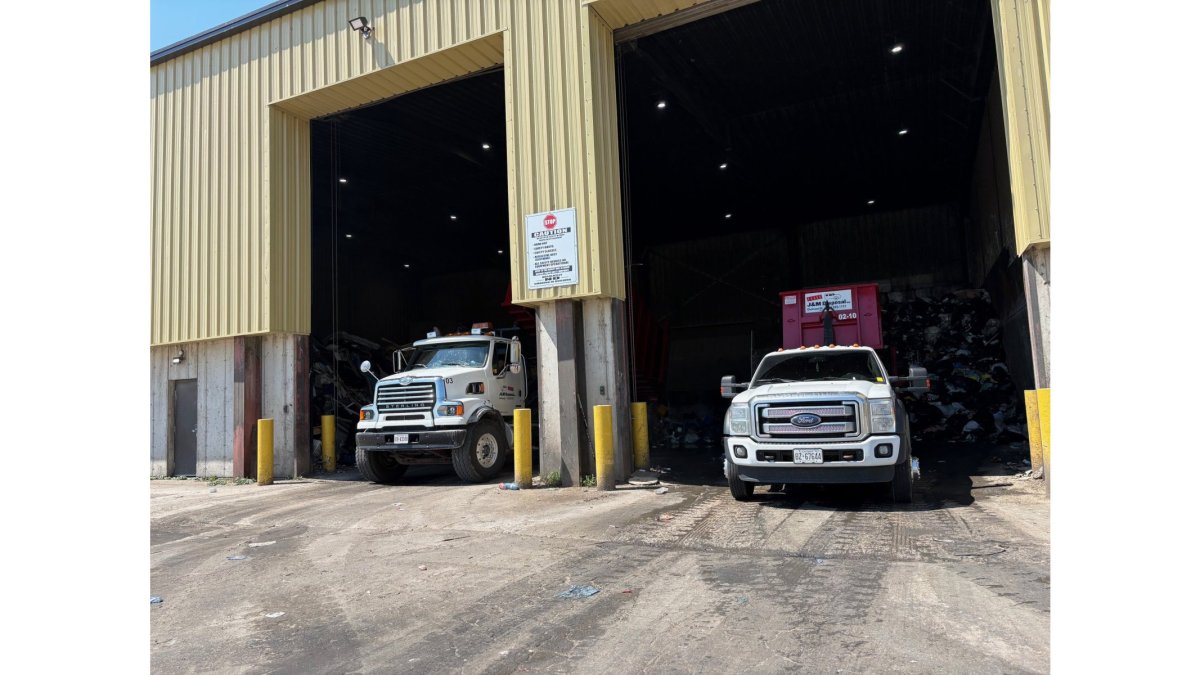
The mechanism is simple and unforgiving. A recycling facility or transfer station inspects the load at the gate or on the tipping floor. If the visible contamination crosses the facility's threshold, the load is downgraded to mixed waste, refused outright, or accepted with a surcharge. You then pay the mixed tipping rate on material you spent time sorting, plus a possible rejection fee and a second haul to dispose of it properly. The sorting labor is sunk, and the second trip doubles your transport cost.
The Most Common Offenders on Small Sites
Plastic wrap and packaging tangled in wood
Wet drywall mixed with clean offcuts
Treated lumber dropped in the clean wood bin
Paint cans and solvents tossed in with debris
Rebar and wire mesh left in concrete rubble
Adhesive, mastic, and thinset stuck to tile or block
Treated wood is a common contaminant. Keep it out of clean wood piles.
How to Protect a Load
Keep a separate small container for problem waste and empty it before pickup.
Load clean streams first and cover them so trades don't toss general debris on top.
Do a visual walk of each bin the morning of pickup.
Ask the hauler what the facility's contamination threshold is before you sort.
Knowing which items can't go in a dumpster is half the battle. Check the items you cannot put in a dumpster before you start loading, and keep a separate small container for problem waste.
Building a Construction Waste Management Plan Template for a Small Job
A construction waste management plan template doesn't need to be complicated. For a small job, it's a one-page document that lists your waste streams, your bins, and who checks them.
Use this simple template:
List each material you expect (wood, metal, concrete, drywall, general)
Assign a bin or container to each stream
Note which items need special handling (paint, treated wood)
Set a daily check to keep streams clean
Record pickup dates and weights
Note where reusable material goes
Having this on paper can also help if your municipality asks how you're handling debris. It takes ten minutes to fill out and saves hours of sorting later.
DIY vs. Professional Hauling: Small-Project Logistics That Actually Work
DIY hauling saves money only when your volume is small and your vehicle can handle it. For most renovations, a roll-off bin beats repeated truck trips.
Here's the honest split:
DIY hauling: Works for a single load of bagged waste or a few metal items.
Roll-off bin: Best for mixed debris, concrete, and anything over a truck bed.
Professional hauling: Worth it for heavy or oversized loads, or when you can't spare the time.
The thing nobody tells you about DIY is the time cost. Multiple trips to a transfer station eat a full day. A bin dropped on site lets you load as you work.
Ordering the Right Bin for Your Renovation or Cleanout
Ordering the right bin comes down to three numbers: your debris volume, its weight, and your site access. Get those right and the rest is simple.
Bins are available from 5 to 40 yards, so you can match the container to the job. A small bathroom reno needs far less than a full kitchen gut.
If you've never rented before, our step-by-step guide on how to rent a roll off bin covers access, permits, and timing so your first rental goes smoothly.
Sorting your debris properly is the difference between a job that pays you back and one that drains your budget.
Frequently Asked Questions
How does construction waste recycling reduce project costs?
The savings come from three places: fewer pickups, lower tipping fees on separated loads, and resale or rebate value on scrap metal and clean concrete. Separating high-value streams before they hit a mixed bin keeps your tonnage down, and many facilities charge less to process clean loads than mixed debris. On a small renovation, that difference is often the gap between one bin and two. Ask your hauler how separated loads are priced before you order, since rates vary by material and weight.
Is it cheaper to rent a mixed-waste bin or a source-separated bin?
A single mixed-waste bin is usually cheaper up front, but it stops being cheaper once you are paying to dispose of clean concrete or metal as general debris. Source separation means more bins on site, which raises the cost of bin rental for construction waste, so the break-even point depends on how much of your debris is recyclable. Small jobs with mostly wood, drywall, and mixed junk often do fine with one bin. Jobs with concrete, metal, or large volumes of clean wood usually come out ahead when separated.
Are there provincial regulations for construction waste disposal in Canada?
Rules vary by province and municipality, and they typically cover what can go to landfill, how hazardous materials like asbestos and solvents must be handled, and whether a waste management plan is required for larger projects. Small residential renovations usually face fewer paperwork requirements, but banned materials still apply. Confirm local requirements before you order a bin, and check whether your municipality requires a permit if the bin sits on a road or boulevard rather than private property.
What types of construction materials are easiest to recycle?
Scrap metal, clean concrete and brick, untreated lumber, and cardboard are the straightforward ones. Metal has established scrap value, concrete can be crushed into aggregate, and clean wood can be chipped or repurposed. Drywall is recyclable in some areas but not all, and treated or painted wood is usually excluded. The common thread is cleanliness: one bag of household garbage or a coil of plastic wrap in a load of wood can turn a recyclable stream into landfill debris.
Comments