
How to Rent a Roll Off Bin: Step-by-Step Guide
Table of Contents
Last Updated: October 4, 2026
How to Rent a Roll Off Bin: What to Know Before You Book
Renting a roll off bin comes down to four decisions: the right size, placement, paperwork, and knowing what you cannot put inside it.
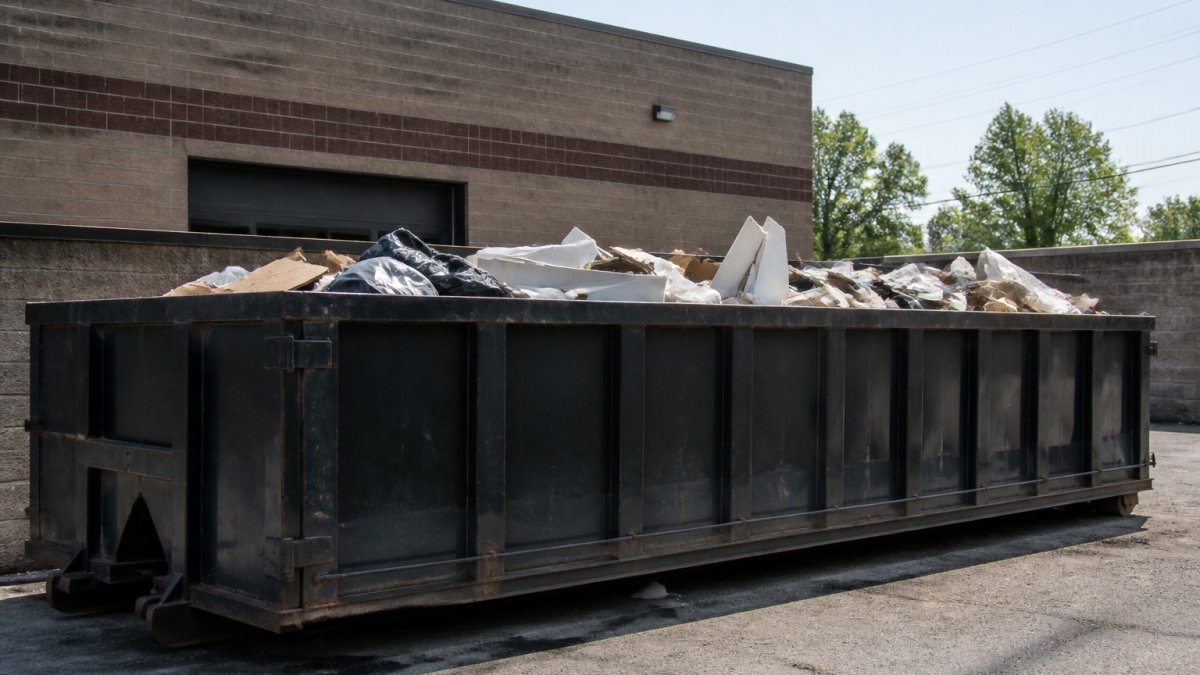
A roll off bin is a heavy-duty open-top container delivered by truck, set on your property, and hauled away when you're done.
Most people book a bin size before measuring their junk. The load overflows, the bin gets flagged as overweight, and the final bill climbs.
What You'll Need Before Calling
Have four things ready before you dial. Each one affects what we can deliver and where it can sit.
A rough volume estimate. Picture the pile. A pickup truck bed holds about 2 cubic yards.
The debris type. Concrete, drywall, and metal scrap each affect bin choice.
Your address and access details. Gate width, driveway slope, overhead wires.
Measure your gate and driveway opening before you call. A standard bin truck needs roughly 3.6 metres of clear width to back in safely. If access is tighter, tell us up front so we can plan a different drop spot.
The Booking Process, Step by Step
Booking takes about 15 minutes once your details are ready. Here's how it works with us.
Call or request a quote online with your project details.
Confirm the bin size and the drop-off date.
Review the rental agreement, including weight limits and the rental period.
Prepare the site and clear the drop zone.
Receive the bin and load it at your own pace.
Call for pickup when the load is ready.
We confirm your window and stick to it, missed pickups stall renovations.
Pro Tip Ask about your bin's weight allowance before it arrives, not after. Knowing the tonnage limit lets you spread heavy material across two bins instead of paying overage charges on one.
Roll Off Bin Sizes and Dimensions: Picking the Right Capacity
Roll off bin sizes are measured in cubic yards, and matching the bin to your debris type matters more than matching it to floor area.

We stock bins from 5 to 40 yards. Here is a quick guide to what each size handles.
Bin Size | Best For | Watch Out For |
5-10 yard | Small cleanouts, yard waste, single-room reno | Fills fast with bulky items |
15-20 yard | Kitchens, bathrooms, deck removal, mid-size reno | Weight adds up with shingles or concrete |
22 yard | Whole-home cleanouts, large renovation debris | Needs clear access for the truck |
40 yard | Major construction, commercial jobs, full gut | Heavy loads may hit the weight cap first |
A common mistake is sizing by room count instead of debris type. A single bathroom tear-out can fill a 15-yard bin once you add tile, drywall, and the old vanity.
How Rental Costs Are Calculated (and How to Avoid Hidden Fees)
Rental costs come from four parts: base rate, rental period, weight allowance, and overage. Understanding each keeps the final bill close to the quote.
Base rate. Covers delivery, the bin itself, and one pickup.
Rental period. Most rentals include a set number of days. Extra days add cost.
Weight allowance. Each bin includes a set tonnage. Heavy debris can exceed it.
The Hidden-Fee Checklist Most Guides Skip
Base rate, period, tonnage, and overage are the four numbers on the quote, not the four on the final invoice. Before you sign, ask the dispatcher to confirm each of these in writing:
Fuel and environmental surcharges. Many haulers add a per-delivery fuel charge and a separate environmental or landfill levy. Ask whether these are baked into the base rate or added at pickup.
Tonnage overage rate. Get the exact per-tonne figure, not just the allowance. A 15-yard bin of shingles can run two to three tonnes over a typical allowance, and the overage rate is where the bill climbs fastest.
Extra-day rate. Confirm the daily rate once the included period ends, and whether it is billed per day or per week.
How to Keep the Final Bill Close to the Quote
Three habits do most of the work. First, get the all-in figure, base rate plus surcharges plus overage rate, in writing before delivery. Second, weigh your heaviest material before it goes in; a bathroom tear-out of tile and drywall is easy to underestimate. Third, call to extend the rental the day you realize you need more time, not the day after pickup.
Watch Out Never fill a bin past its top edge. Overfilled bins can't be hauled safely, and the driver may refuse pickup until you remove material. That leaves you paying for extra days on a bin you can't move, and possibly a return-trip fee on top.
Ask for the full cost breakdown in writing before delivery. Current rates are on our pricing page.
Dumpster Rental Permit Requirements: When You Need Approval
Dumpster rental permit requirements depend on where the bin sits. On a private driveway you usually need no permit; on a public road, sidewalk, or boulevard you almost always do.
Rules vary by municipality, so check with your local office before booking. In most cases you'll need:
A permit application with the proposed placement and dates
Proof of insurance from the rental company
Reflective cones or markings around the bin
We can point you to the right office and share what your municipality typically asks for. The permit stays in your name, since you're occupying public space.
Check your local rules through Ontario's municipal information portal before you book a road placement.
Prohibited Items for Disposal Bins: What You Can't Throw In
Prohibited items for disposal bins fall into two groups: hazardous waste and anything your local landfill won't accept.
Never place these in a roll off bin:
Hazardous waste. Paint, solvents, motor oil, pesticides, and antifreeze.
Electronics. Old TVs, computers, and monitors need separate recycling.
Tires and batteries. Both require dedicated drop-off.
Mix concrete, drywall, and metal in one bin? Usually fine, as long as the total stays under the weight allowance. When in doubt, call us before you load.
For safe handling of hazardous household waste, see Health Canada's consumer product safety guidance.
Site Prep, Delivery Day, and Safe Loading Practices
Site prep takes about 20 minutes and prevents most delivery problems. A clear, flat, firm surface is the biggest factor in a smooth drop.
Before the truck arrives:
Clear the drop zone of cars, toys, and low branches.
Lay plywood on the driveway to protect concrete and pavers.
Mark any sprinkler heads, drains, or buried lines.
On loading day, follow three safety habits. Wear gloves and steel-toe boots. Carry heavy items with a partner. Keep the load level instead of piling one corner high.
Key Takeaway The bin sits where the truck can reach it. If a car blocks the drop zone on delivery day, the driver may have to leave without unloading, and you'll pay for a second trip.
DIY vs. Professional Removal: Which Makes Sense for Your Project?
DIY removal wins for small, light loads; professional hauling wins when debris is heavy, mixed, or time-sensitive. The deciding factors are volume, weight, and how fast you need the space back, but the real question is which costs less once you count your time and the risk of overage fees.
A Simple Decision Framework
Work through these four questions in order. The first one that points clearly in a direction usually settles it.
How heavy is the load? Concrete, brick, soil, and shingles are dense. A small pile of these can blow past a bin's tonnage allowance, which means a roll-off may cost more than a full-service crew that hauls by weight. Light debris, drywall, wood, yard waste, furniture, favors a bin.
How much time do you have? A bin lets you load over several days, which suits a phased renovation. A full-service crew clears the site in one visit, which suits a tight construction schedule or a rental turnover.
How much of it can be diverted? Metal, cardboard, and clean wood can often be sorted and recycled separately, cutting the volume that goes to landfill. If a large share of your debris is recyclable, a bin plus a sorting plan is usually the cheaper path.
What is your access like? A bin truck needs roughly 3.6 metres of clear width and overhead clearance for the raised bed. If your site can't take a truck, full-service removal with smaller equipment may be the only option.
When a Roll-Off Bin Is the Better Call
You have one room or one cleanout's worth of debris.
The material is mostly light: drywall, wood, yard waste, old furniture.
You can load it over a few days without rushing.
When Full-Service Removal Is the Better Call
The load is heavy: concrete, brick, soil, shingles.
You're on a tight construction schedule and need the site cleared for the next trade.
The debris is mixed and hard to sort, or includes items a bin won't accept.
The Waste-Sorting Angle Most Guides Skip
Sorting before you load is the biggest lever on cost, and the step most rental guides leave out. Keep metal separate, scrap metal is often recyclable and takes up weight you'd otherwise pay overage on. Stack cardboard flat to save volume. Set aside clean wood and yard waste for separate diversion where your municipality offers it. Some municipalities offer free depot drop-off for recyclables, which shrinks the load that goes into the bin.
Pro Tip If your load is mostly light and sortable, price out a smaller bin plus a depot run for recyclables before you book a large bin. The smaller bin plus diversion often costs less than one oversized bin full of mixed debris.
Key Takeaway The bin is a tool, not a default. Match it to the load's weight and your timeline, and sort what you can before it goes in, that combination is what keeps both the bill and the landfill volume down.
Conclusion: Booking Your Roll Off Bin with Confidence
The gap between a smooth rental and a stressful one comes down to planning: measure your access, match the bin to your debris, and ask about weight limits before delivery day.
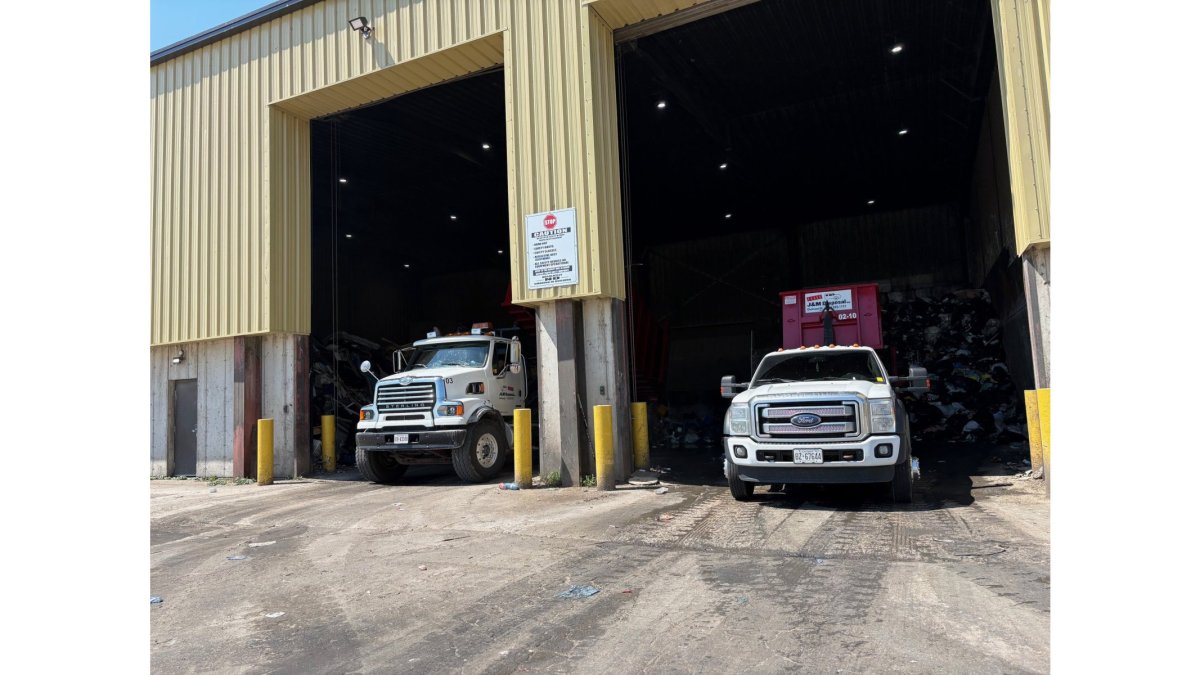
J&M Disposal Inc. is a locally owned and operated waste management company dedicated to providing professional roll-off bin services for residential and commercial projects. Committed to responsible waste disposal and community involvement, our team delivers reliable, customer-focused solutions tailored to your specific job requirements.
Call us today to book your bin and keep your project on schedule.
Frequently Asked Questions
What size roll off bin do I need for a home renovation?
A 15 or 20 cubic yard bin usually covers a bathroom or kitchen remodel, while a 20 to 22 yard bin suits larger projects like a basement gut or full-room addition. Match the bin to your debris type and volume: heavy materials like concrete and shingles fill a bin faster by weight, while bulky items like drywall and framing take up more space. If you are unsure, ask your hauler to recommend a size based on your project list.
Do I need a municipal permit to place a roll off bin on the street?
Yes, most municipalities require a permit when a bin sits on public property such as a street, sidewalk, or boulevard. The permit application typically asks for the bin dimensions, placement dates, and a traffic safety plan. Your waste hauler can often guide you through the local process or provide the documents you need. Bins placed entirely on private property, like a driveway, usually do not need a permit.
What items are prohibited from being placed in a roll off bin?
Common prohibited items for disposal bins include hazardous waste such as paint, solvents, motor oil, batteries, tires, and propane tanks. Electronics, appliances with refrigerant, and yard chemicals also cannot go in a standard bin. These materials require special handling at designated depots. Mixing prohibited items into a bin can lead to extra charges, rejected loads, or fines, so sort them out before the bin arrives.
How long can I keep a rented roll off bin on my property?
Most roll off bin rentals include a set rental period, often 7 to 14 days, before daily extension fees apply. If your project runs longer than planned, contact your hauler before the period ends to extend the rental and confirm the extra cost. Scheduling a pickup is just as important as the drop-off, so book your removal date as soon as your loading is nearly complete to avoid delays.
Comments