
Is Heavy Equipment Transport Insurance Worth It? 2026 Guide
Table of Contents
Carrier Liability vs Cargo Insurance: Who Pays When Something Breaks?
The Cost of Heavy Equipment Shipping Insurance: What Drives Your Premium
How to File a Freight Insurance Claim Without Losing Your Mind
Self-Insured vs. Third-Party Carrier Liability: Which Model Fits Your Operation?
Verifying Carrier Insurance: A Checklist Before You Book Any Haul
Making the Decision: When Heavy Equipment Insurance Is Worth It
Last Updated: September 18, 2026
What Heavy Equipment Insurance Actually Covers
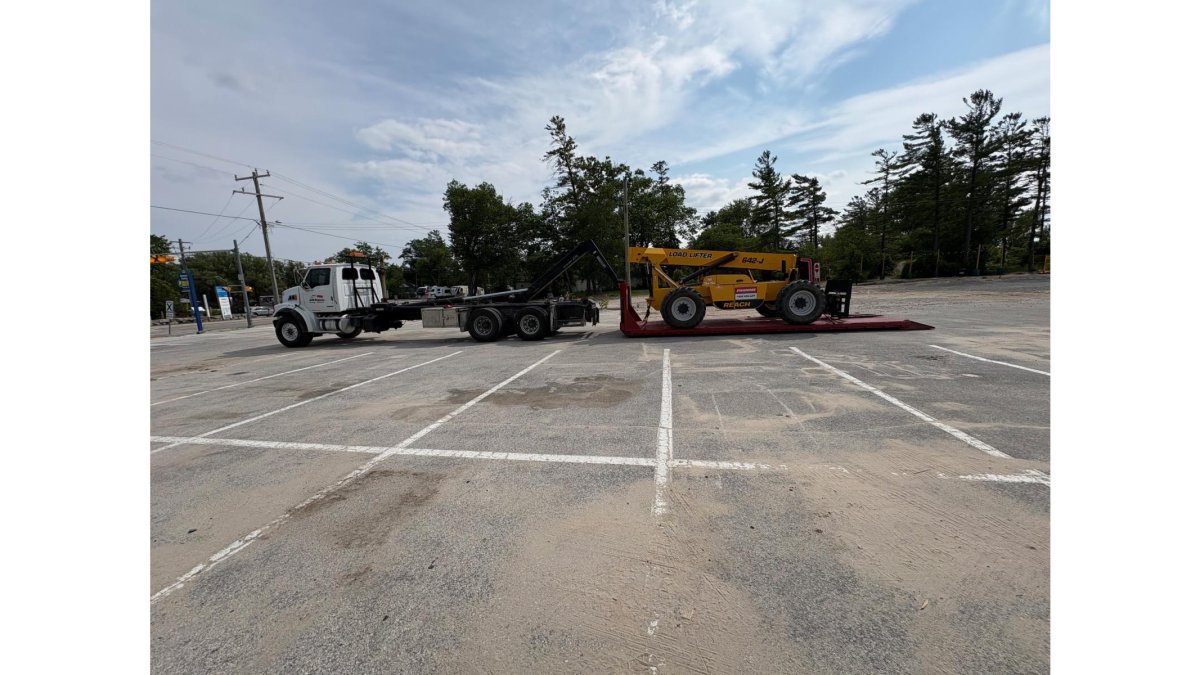
Heavy equipment insurance protects construction and agricultural machinery against physical damage, theft, and third-party liability claims while it sits on site or moves between jobs. At J&M Disposal Inc., we offer flat deck and float services for transporting construction and agricultural equipment, and the question we hear most is a practical one: is heavy equipment transport insurance worth it?

Physical Damage vs. Liability: Two Very Different Protections
Physical damage coverage pays to repair or replace the machine itself after a collision, rollover, fire, or theft. Third-party liability coverage pays for damage your equipment causes to someone else's property or person. These are separate protections, and buying one does not give you the other.
When Your Equipment Is Covered (And When It Isn't)
Coverage follows the policy wording, not common sense. Most policies cover a machine during loading, transit, and unloading when the haul is declared and the operator is authorized. Coverage typically stops when you use the equipment for an excluded purpose, when an unlicensed operator runs it, or when the load was never reported to the insurer.
Carrier Liability vs Cargo Insurance: Who Pays When Something Breaks?
Carrier liability vs cargo insurance is the distinction that decides who writes the cheque after transport damage, and owners routinely confuse the two. Carrier liability is the hauling company's own legal responsibility for the goods it moves. Cargo insurance is a separate policy, often held by the shipper, that pays out regardless of fault.
Carrier Liability: The Hauler's Responsibility
A carrier's liability is capped, and that cap is usually tied to weight, not to what your machine is actually worth. The Canadian Transportation Agency guidance on carrier liability explains how limits of liability work for federally regulated moves. The practical consequence: if your excavator is worth far more than the carrier's per-kilogram limit, the carrier's liability alone will not make you whole.
Cargo Insurance: The Shipper's Safety Net
Cargo coverage fills the gap between the carrier's capped liability and the true value of your machine. For high-value or specialized equipment, a standalone cargo policy or inland marine endorsement reflects your asset's worth. When you book a heavy haul, ask for a certificate of insurance and confirm the coverage limit exceeds your equipment valuation.
Pro Tip Ask for the certificate of insurance before the truck arrives, not after. A legitimate carrier will send it within the hour, and the policy limits on that document tell you more about your exposure than any verbal assurance.
The Cost of Heavy Equipment Shipping Insurance: What Drives Your Premium
The cost of heavy equipment shipping insurance depends on the machine's value, age and condition, the distance and route, and the load type. There is no flat rate, and any provider quoting one without asking about your equipment is guessing. Most premiums are a percentage of declared value, adjusted for risk factors.
Equipment Value and Age: The Biggest Price Factors
Newer, higher-value machines cost more to insure because a total loss costs the insurer more to settle. Age cuts both ways: an older machine has a lower replacement cost, but underwriters treat age and condition as risk signals, so a poorly maintained 20-year-old loader can attract a higher premium than its book value suggests. Document your maintenance records.
Route, Distance, and Load Type
Longer hauls and routes through dense traffic raise the premium because exposure time increases. Oversized loads requiring permits and escorts add cost, since permit requirements and route restrictions introduce risk. A short local float move carries a different risk profile than a multi-day haul across the province.
Factor | Effect on Premium | What You Can Control |
Equipment value | Higher value, higher premium | Accurate valuation |
Age and condition | Older or poor condition raises risk | Maintenance records |
Distance and route | Longer haul, more exposure | Route planning |
Load type | Oversized loads cost more | Load consolidation |
Deductible | Higher deductible, lower premium | Your choice |
Claims history | Prior claims raise rates | Safe hauling record |
How to File a Freight Insurance Claim Without Losing Your Mind
Filing a freight insurance claim comes down to documentation and speed. Owners who get paid photograph everything, report damage immediately, and keep every piece of paperwork. Those denied usually waited a week, moved the equipment, and tried to reconstruct what happened.
Step-by-Step: From Damage Discovery to Payout
Photograph the damage from multiple angles before anything moves
Note the date, time, and location of discovery
Notify the carrier and your insurer the same day
File a written claim with the bill of lading attached
Get an independent repair estimate
Keep the damaged parts until the claim closes
Follow up in writing every week
Common Mistakes That Get Claims Denied
The fastest way to lose a claim is to accept a quick cash settlement on the tailgate; once you sign, you cannot reopen the file when the repair estimate comes in higher. Other claim killers: moving the equipment before photographing it, missing the notification deadline, and failing to report the haul beforehand.
Watch Out Never accept a verbal settlement or a same-day cash offer at the roadside. Signing a release before you have an independent repair estimate typically closes the claim permanently, even if the real cost turns out to be far higher.
Self-Insured vs. Third-Party Carrier Liability: Which Model Fits Your Operation?
Self-insured versus third-party carrier liability is a decision about who absorbs the risk, and it depends on how often you haul, the value of your fleet, and whether your operation can legally and financially carry the exposure.
What "Self-Insured" Actually Means in Practice
True self-insurance is not the same as carrying no insurance. It means your business formally sets aside capital to absorb losses instead of transferring that risk to an insurer through a premium. In practice, most owners who say they "self-insure" run a high-deductible commercial policy and fund the deductible from reserves, a hybrid model most small and mid-sized haulers use.
The Break-Even Math
The break-even point sits with haul frequency and the size of your reserve fund. Compare the annual premium against the expected annual loss: if you move equipment weekly with a clean claims history, a year of premiums can exceed the cost of a single moderate repair.
A simple way to frame it:
High frequency, low-to-moderate value, clean claims history: self-insuring or a high-deductible policy can pencil out.
Low frequency, high value, or any recent claim: third-party coverage almost always wins.
Specialized or oversized loads: third-party coverage is effectively mandatory because the loss scenarios are severe and the permit and escort requirements add liability you cannot easily absorb.
The Regulatory and Contractual Constraints
Self-insuring does not exempt you from legal obligations. Federally regulated extra-provincial trucking falls under the Canadian Transportation Agency guidance on carrier liability, and provincial commercial vehicle regimes impose minimum insurance requirements that apply whether or not you would prefer to self-insure. On top of that, most shippers and brokers will not award a contract to a carrier who cannot produce a certificate of insurance naming adequate limits.
Watch Out Self-insuring does not remove your legal liability to a shipper or a third party. It only changes who pays after a loss. If your reserve fund cannot cover a total loss plus a liability claim, self-insurance is not a real option.
Which Model Fits Your Operation
A large operation moving equipment weekly, with a funded reserve and a documented safety program, may find a high-deductible policy or formal self-insurance beats paying full premium on every load. A smaller operation moving a machine a few times a year almost never benefits from self-insuring, because a single total loss would wipe out the savings.
Verifying Carrier Insurance: A Checklist Before You Book Any Haul
Verifying carrier insurance takes five minutes and prevents the worst outcomes. Before booking any haul, request the certificate of insurance and confirm it covers the specific move you are planning. A generic certificate that does not name your equipment or load type is not proof of anything.
Certificate of insurance (COI) received and dated
Policy limits exceed your equipment valuation
Cargo coverage confirmed, not just carrier liability
Expiry date falls after your haul date
Insurer name and policy number verified directly
Oversized load endorsement confirmed if applicable
Red Flags That Signal a Coverage Gap
A carrier who hesitates to send the COI is the first red flag. So is a certificate listing limits far below your machine's value, or a policy that expires before your haul date. If the carrier says the coverage is "handled" without showing paperwork, treat that as no coverage at all.
Insurance for Specialized and Oversized Loads: What Changes
Insurance for specialized and oversized loads differs from standard haulage because the risk profile changes in ways a generic cargo policy was never written to handle. Insurers treat oversize transport as its own underwriting category.
Why Oversized Loads Are Priced Differently
An oversized load needs permits, often an escort, a route survey, and sometimes utility coordination to lift wires or flag bridge clearances. Each step adds a point where something can go wrong, and underwriters price that exposure in. A standard cargo policy may exclude permitted oversize transport entirely, or cover it only if the load was declared and permits were in place at the time of the move.
Endorsements and Coverage to Confirm Before You Book
Before you sign a haul contract for a specialized or oversized load, confirm the policy explicitly covers:
Permitted oversize transport as a named endorsement, not an assumption
Escort and pilot vehicle liability if the escort is arranged by the carrier
Route survey and permit costs if the policy is expected to respond to a routing-related loss
High-value machinery sublimits if your machine exceeds the standard per-item cap
Loading and unloading as a covered operation, since oversize loads often involve cranes or ramps
Specialized Equipment Categories and Their Risk Profiles
Different machine types carry different underwriting concerns:
Lowboy and drop-deck loads concentrate weight and stress the trailer and tie-downs; underwriters look at securement practices.
Wide and long loads trigger permit and escort requirements, and the added vehicles introduce third-party liability exposure.
High-value or irreplaceable machinery may need an agreed-value endorsement rather than actual cash value, because market replacement is difficult to establish.
Agricultural equipment moved seasonally often sits in a lower-frequency, higher-severity category, which changes how the premium is calculated.
The Practical Takeaway
If you are moving a wide combine, a lowboy load, or any machine that requires a permit, do not assume your standard cargo policy covers it. Ask the carrier for the certificate of insurance, confirm the oversize endorsement is named on the policy, and verify the coverage limit exceeds your equipment valuation.
Pro Tip Ask the carrier to send the policy endorsement page, not just the certificate of insurance, for any oversize move. The certificate shows limits; the endorsement page shows whether oversize transport is actually covered.
Making the Decision: When Heavy Equipment Insurance Is Worth It
Heavy equipment transport insurance is worth it when the value of the machine you are moving exceeds what you could comfortably absorb as a loss. For a small farm moving one tractor a few times a year, compare the annual premium against the replacement cost of your most expensive machine.
Frequently Asked Questions
Does standard commercial auto insurance cover heavy equipment during transport?
Standard commercial auto insurance typically covers the vehicle and liability for accidents, but it often excludes the cargo itself, including heavy equipment. If your excavator or bulldozer is damaged during transit, you need cargo insurance or an inland marine policy to cover the equipment's value. Always check your policy's cargo exclusion clause before assuming you're protected. For specialized loads, a separate rider may be required.
What is the difference between carrier liability and cargo insurance?
Carrier liability is the legal responsibility of the transport company for cargo they haul, but it's often limited by weight, not full value. Cargo insurance is a separate policy that covers the shipper's goods at their actual cash value or replacement cost. If you're moving a $200,000 piece of equipment, carrier liability might only pay a fraction. Cargo insurance fills that gap, giving you full protection against transport damage or total loss.
How much does heavy equipment transport insurance typically cost?
The cost of heavy equipment shipping insurance depends on equipment value, distance, route risk, and your claims history. Most policies are priced as a percentage of the declared value. Annual policies for frequent shippers may offer lower rates. Get quotes based on your specific equipment and transport frequency.
What happens if construction equipment is damaged during transit?
If damage occurs, document everything immediately: photograph the damage, note the time and location, and file a claim with the carrier and your insurer. The claims process requires a copy of the bill of lading, the certificate of insurance, and a repair estimate. Without proper documentation, claims can be denied. For high-value equipment, consider a pre-shipment inspection to establish condition before transport.
Comments